
Emotional strength is often framed as a personal upgrade, but few talk about the internal toll it takes to build it. When men grow emotionally stronger, life doesn’t suddenly become easier—it becomes more honest. You stop numbing, deflecting, or outsourcing your feelings and start dealing with them directly.
That process is invisible, uncomfortable, and deeply personal. These are the quiet battles that shape self-respect, relationships, and long-term stability. Here are 18 internal battles emotionally strong men fight—and how to navigate them without losing yourself.
1. Choosing Self-Control Over Emotional Relief

One of the hardest internal battles is resisting the urge to say or do something just to release emotional pressure. Emotional relief feels urgent, but emotional strength demands restraint. Strong men learn to pause before reacting, knowing that dumping raw feelings often creates more damage than clarity. The practical move is delay, not suppression—write it out, breathe it through, move your body, then speak once the emotional spike passes. Relief that costs trust, respect, or control is never worth it.
2. Sitting With Feelings You Can’t Fix

Emotionally strong men accept that not every emotion has a solution or lesson attached to it. Sadness, frustration, and uncertainty sometimes just need to be felt. The internal battle is staying present instead of distracting, numbing, or intellectualizing your way out. A useful habit is naming the emotion and giving it space without action. Most feelings lose intensity when you stop fighting them, and strength grows when you realize discomfort won’t destroy you.
3. Letting Go of Being Understood by Everyone

There’s a quiet grief in realizing that growth means fewer people fully “get” you. Emotional strength requires releasing the need to explain yourself repeatedly or win approval. The battle is tolerating misunderstanding without shrinking. The practical shift is choosing clarity once, then letting reactions fall where they may. Not everyone deserves access to your inner reasoning, and peace often begins when you stop trying to be universally understood.
4. Resisting the Pull to Prove Your Worth

Many men are conditioned to prove value through toughness, productivity, or emotional silence. Emotional maturity challenges that reflex. The internal battle is letting go of performance-based validation and trusting quiet consistency instead. When you notice yourself seeking approval, redirect that energy into competence, reliability, and self-respect. Strength isn’t loud—it’s stable.
5. Holding Boundaries Without Guilt

Setting emotional boundaries often triggers guilt, especially for men used to being dependable for everyone else. The battle isn’t knowing the boundary—it’s holding it when discomfort shows up. Emotional strength means allowing others to feel disappointed without rescuing them from it. A practical rule is repetition without explanation: state the boundary calmly, restate it if needed, and let the guilt pass. Guilt fades; resentment doesn’t.
6. Accepting That Strength Doesn’t Mean Invulnerability

Emotionally strong men still feel hurt, rejected, or shaken—they just don’t panic when it happens. The internal battle is allowing pain without turning it into bitterness, shame, or self-criticism. Instead of avoiding pain, focus on response: rest, reflect, adjust, and recover. Strength isn’t about being untouched; it’s about healing without hardening.
7. Managing Anger Without Suppressing It

Anger is often misunderstood as something to hide or explode with. Emotional strength means neither suppressing nor unleashing it recklessly. The battle is translating anger into information rather than action. Channel it physically first, then ask what boundary was crossed or value violated. Used properly, anger becomes clarity instead of chaos.
8. Choosing Long-Term Stability Over Short-Term Escape

Quick escapes—drinking, distractions, casual validation—offer temporary relief but long-term erosion. Emotionally strong men recognize the cumulative cost of numbing habits. The internal battle is choosing regulation over avoidance when stress hits. Replace one escape with a grounding habit like movement, structure, or solitude. Comfort isn’t the enemy—dependence on it is.
9. Tolerating Emotional Loneliness

Growth often creates distance from familiar dynamics, and that gap can feel unsettling. Emotionally strong men resist filling loneliness with noise or unhealthy connections. The battle is trusting the transition instead of rushing relief. Use the space to strengthen self-trust and raise your standards for connection. Loneliness is often a sign you’re between versions of yourself.
10. Staying Open After Disappointment

After betrayal or loss, closing off feels logical and safe. Emotional strength requires resisting that impulse. The battle is staying open without becoming reckless. Practice selective vulnerability—share with those who demonstrate consistency, not just chemistry. Openness with discernment protects your heart without shrinking it.
11. Owning Your Emotions Without Blaming Others

It’s easy to say someone “made” you feel a certain way. Emotional maturity replaces blame with ownership. The internal battle is recognizing triggers without surrendering agency. Shifting language to “this brought something up for me” keeps you grounded and prevents emotional dependency. Ownership restores power.
12. Letting Go of the “Fixer” Role

Many men equate emotional value with solving problems. Emotional strength teaches that presence often matters more than solutions. The battle is resisting the urge to fix emotions that aren’t yours to fix. Asking whether someone wants advice or support preserves energy and builds deeper trust. Not everything needs a solution—some things need space.
13. Facing the Fear of Emotional Exposure

Honesty always carries the risk of rejection. Emotional strength doesn’t remove that fear—it moves through it thoughtfully. The internal battle is choosing honesty despite uncertainty. Start small by expressing needs clearly and calmly. Each honest moment builds confidence that vulnerability doesn’t equal weakness.
14. Accepting That Growth Changes Relationships

As you grow, some relationships deepen while others fade. The loss can feel personal, even when it’s natural. Emotional strength means resisting regression for the sake of familiarity. Honor what worked, release what no longer fits, and trust that alignment matters more than history. Growth-friendly relationships feel calmer, not chaotic.
15. Living Without Constant Emotional Certainty

Emotionally strong men accept that clarity isn’t always available. You won’t always know what you feel or what’s next. The battle is staying steady in ambiguity. Build structure through routines, values, and long-term direction so emotions don’t dominate every decision. Stability comes from consistency, not certainty.
16. Regulating Yourself Instead of Being Regulated
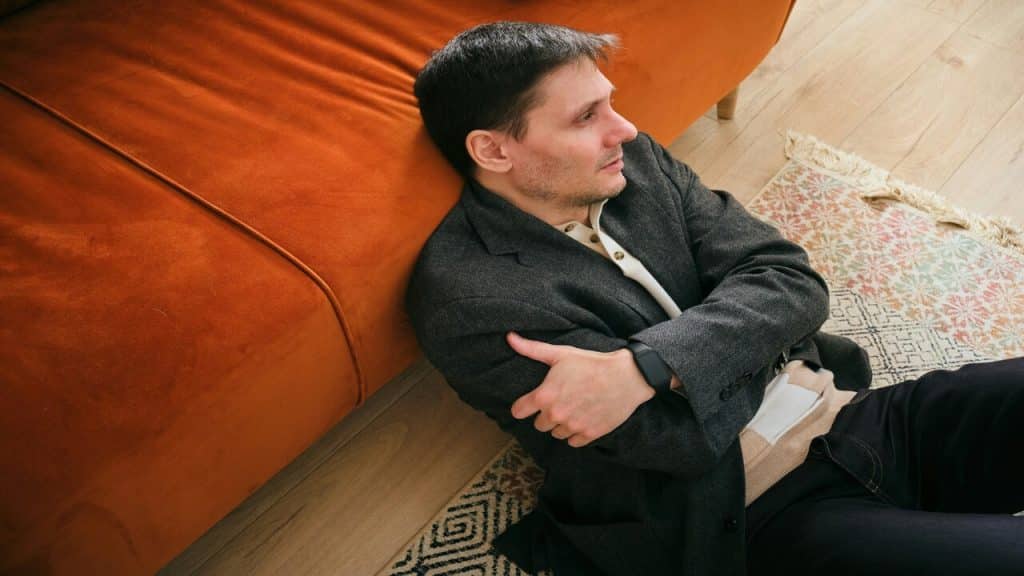
Waiting for others to calm you gives away emotional control. Strength means learning self-regulation. The battle is building internal tools instead of external dependencies. Develop a personal system—breathing, movement, solitude, reflection—that you can rely on anywhere. Independence creates calm.
17. Choosing Integrity Over Emotional Comfort

Telling the truth, holding values, and acting consistently often feels uncomfortable in the moment. Emotional strength prioritizes long-term self-respect over short-term ease. When conflicted, ask which choice your future self will respect. Discomfort fades; integrity compounds.
18. Continuing the Work Without External Applause

The hardest battle is sustaining emotional growth without recognition. Emotional strength is mostly invisible, and few people applaud internal discipline. The reward isn’t validation—it’s peace, clarity, and self-trust. Measure progress by how you respond, not how you’re perceived. Quiet strength builds a quieter mind.








Ask Me Anything