
Marriage doesn’t usually fall apart because of one big mistake. It slowly cracks under assumptions people never question. Many spouses enter marriage carrying beliefs that sound romantic, logical, or “just how it’s done”—until real life exposes how flawed they are. These beliefs don’t make people bad partners; they make them unprepared ones. The good news is that once you recognize what’s wrong, you can replace it with something healthier, more realistic, and far more sustainable. Here are 17 common beliefs spouses believed about marriage—and why reality proved them wrong.
1. Love Alone Would Carry the Marriage

Love is essential, but it’s not a strategy. Many spouses discover that affection doesn’t automatically translate into problem-solving, emotional regulation, or shared responsibility. When stress, money, kids, or health issues enter the picture, love without skills quickly feels insufficient. What actually sustains a marriage is learning how to communicate under pressure and repair after conflict. The practical fix is to treat marriage like a skill set, not just a feeling. Invest time in learning how to argue fairly, listen actively, and calm your nervous system before reacting.
2. Marriage Would Make Them Feel Secure All the Time

A wedding ring doesn’t erase insecurity—it often exposes it. Spouses are often surprised when jealousy, fear of abandonment, or self-doubt shows up after marriage instead of disappearing. Marriage magnifies emotional patterns that already existed. The healthier belief is that security is built, not granted. Work on self-trust and emotional stability instead of expecting your partner to constantly reassure you.
3. Their Partner Would Eventually Change

Many people marry “potential” without realizing how risky that is. They assume maturity, ambition, or emotional openness will appear with time. What usually happens instead is resentment. People do grow, but only when they choose to. A practical rule: marry who someone is now, not who they promise to become. If a behavior already bothers you deeply, it likely won’t vanish after the vows.
4. Being Married Meant Never Feeling Lonely

Loneliness inside marriage shocks people the most. Sharing a home doesn’t guarantee emotional connection. Couples can drift into parallel lives filled with logistics and responsibilities. The solution isn’t panic—it’s intentional connection. Schedule real conversations, protect time together, and talk about emotional needs openly instead of assuming proximity equals intimacy.
5. Conflict Meant Something Was Wrong

Many spouses believe happy couples don’t fight. In reality, healthy couples fight—but they repair. Avoiding conflict often leads to emotional distance, passive aggression, or silent resentment. The key isn’t fewer arguments; it’s better ones. Learn to fight without character attacks, stonewalling, or contempt. Conflict handled well actually strengthens trust.
6. Marriage Would Feel Romantic Most of the Time

Romance doesn’t survive on autopilot. Spouses often expect marriage to feel like the early dating phase indefinitely. When routine replaces novelty, they mistake comfort for failure. Romance shifts over time—it becomes intentional rather than spontaneous. Plan dates, flirt on purpose, and don’t wait for feelings to magically appear before acting lovingly.
7. Their Needs Should Be Obvious to Their Partner

Unspoken expectations quietly sabotage marriages. Many spouses assume love means “they should just know.” But mind-reading isn’t intimacy—it’s a setup for disappointment. Clear communication is far more romantic than silent hope. Practice stating needs calmly and directly, without blame or sarcasm.
8. Marriage Would Fix Emotional Wounds

Old wounds don’t disappear with commitment—they resurface. Childhood patterns, attachment styles, and unresolved trauma often become more visible after marriage. Expecting your partner to heal you creates pressure and imbalance. The healthier approach is shared responsibility: support each other while also doing your own emotional work. Therapy, reflection, and self-awareness matter more than devotion alone.
9. They Would Always Be Each Other’s Top Priority

Life is full of competing demands—careers, kids, aging parents, health issues. Spouses often feel hurt when attention shifts. The reality is priorities fluctuate by season. What matters is not constant focus, but consistent respect and reconnection. Talk openly about changing demands instead of assuming neglect is intentional.
10. Financial Stress Would Be Easy to Manage Together

Money issues hit deeper than budgets—they trigger power, control, and fear. Many spouses assume love will smooth over financial disagreements. Instead, mismatched money values create tension. The fix is transparency and teamwork. Regular money check-ins, shared goals, and clear roles reduce conflict more than avoiding the topic.
11. Marriage Meant They’d Always Agree

Agreement isn’t required for respect. Spouses often expect alignment on everything, from parenting to politics. Differences don’t threaten a marriage—contempt does. Learn to disagree without trying to “win.” Curiosity and validation matter more than consensus.
12. Their Partner Would Always Meet Their Emotional Needs
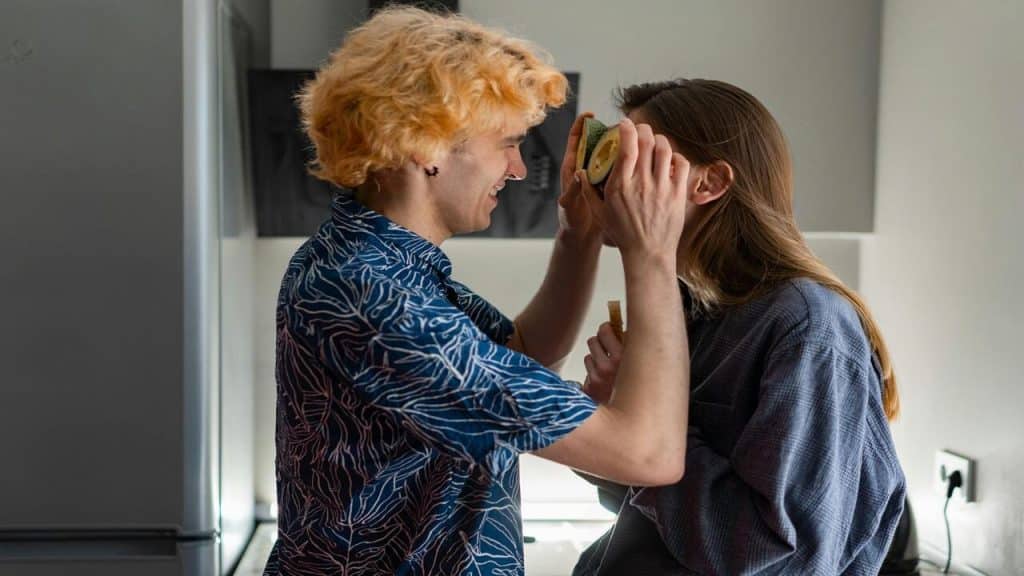
No single person can be everything. Expecting a spouse to fulfill every emotional role leads to burnout on both sides. Healthy marriages allow space for friendships, hobbies, and personal fulfillment. Strengthen your support system instead of narrowing it. A fuller life makes you a better partner.
13. Marriage Would Feel Like a Team at All Times

Even strong marriages go through “me vs. you” seasons. Stress can push people into survival mode. The mistake is assuming this means the marriage is failing. Instead, name the strain and work back toward teamwork intentionally. Small gestures of support rebuild the sense of “us.”
14. Physical Intimacy Would Stay Effortless

Desire changes over time. Stress, exhaustion, hormones, and life stages all affect intimacy. Many spouses mistake this for loss of attraction. The solution is communication, not withdrawal. Talk openly about needs, experiment without pressure, and remember intimacy is emotional as much as physical.
15. Marriage Would Eliminate the Need for Personal Growth

Some spouses stop growing once they feel “settled.” Over time, this creates stagnation and disconnection. Growth keeps attraction alive. Pursue goals, interests, and self-improvement—not to impress your partner, but to stay engaged with life. A growing individual contributes energy to the relationship.
16. Commitment Meant Sacrificing Personal Identity

Losing yourself isn’t loyalty—it’s erosion. Many spouses believe compromise means shrinking. Healthy marriage allows individuality alongside unity. Protect your values, passions, and voice. The strongest partnerships are built by two whole people, not one merged identity.
17. Marriage Would Always Feel Certain

Doubt doesn’t mean failure—it means you’re human. Many spouses panic when certainty wavers. Long-term commitment includes moments of questioning, fatigue, and fear. What matters is how you respond. Recommit through action, honesty, and effort—not blind optimism. Marriage is sustained by choice, not constant certainty.








Ask Me Anything