
Conflict avoidance appears virtuous, preferring harmony, avoiding drama, keeping the peace. However, systematic conflict avoidance creates profound relationship damage by preventing issues from being addressed, needs from being expressed, and genuine intimacy from developing. The person who avoids all conflict at any cost suppresses legitimate concerns, agrees to things they resent, and allows problems to fester until relationships die from accumulated toxicity. Peace maintained through avoidance isn’t real peace, it’s suppressed war waiting to explode or slow death through disconnection. Healthy relationships require ability to engage in constructive conflict where disagreements get voiced, needs get expressed, and issues get resolved. These seventeen damages reveal what conflict avoidance costs relationships over time.
Problems Never Get Resolved, They Just Accumulate

Avoiding conflict means issues don’t get addressed, they get buried. This accumulation creates a massive backlog of unresolved problems festering beneath the surface. If disagreements never get voiced because conflict is avoided, problems multiply rather than resolve. The suppressed issues don’t disappear; they build into resentment, eventually crushing relationships. Each avoided conflict adds weight to accumulated grievances. Relationships can’t survive indefinitely on the foundation of unaddressed problems.
Resentment Builds Until Explosion or Shutdown Happens

Suppressed frustrations don’t evaporate, they accumulate into profound resentment. This buildup eventually reaches breaking point resulting in explosive fights or complete emotional shutdown. If avoiding small conflicts to prevent discomfort, the avoidance guarantees larger eventual explosion or permanent disconnection. The resentment from years of unaddressed issues becomes toxic poison in relationships. Small conflicts addressed early prevent large destructive ones later. Avoidance trades small manageable conflicts for relationship-ending accumulated resentment.
Legitimate Needs Go Unmet Because They’re Never Voiced
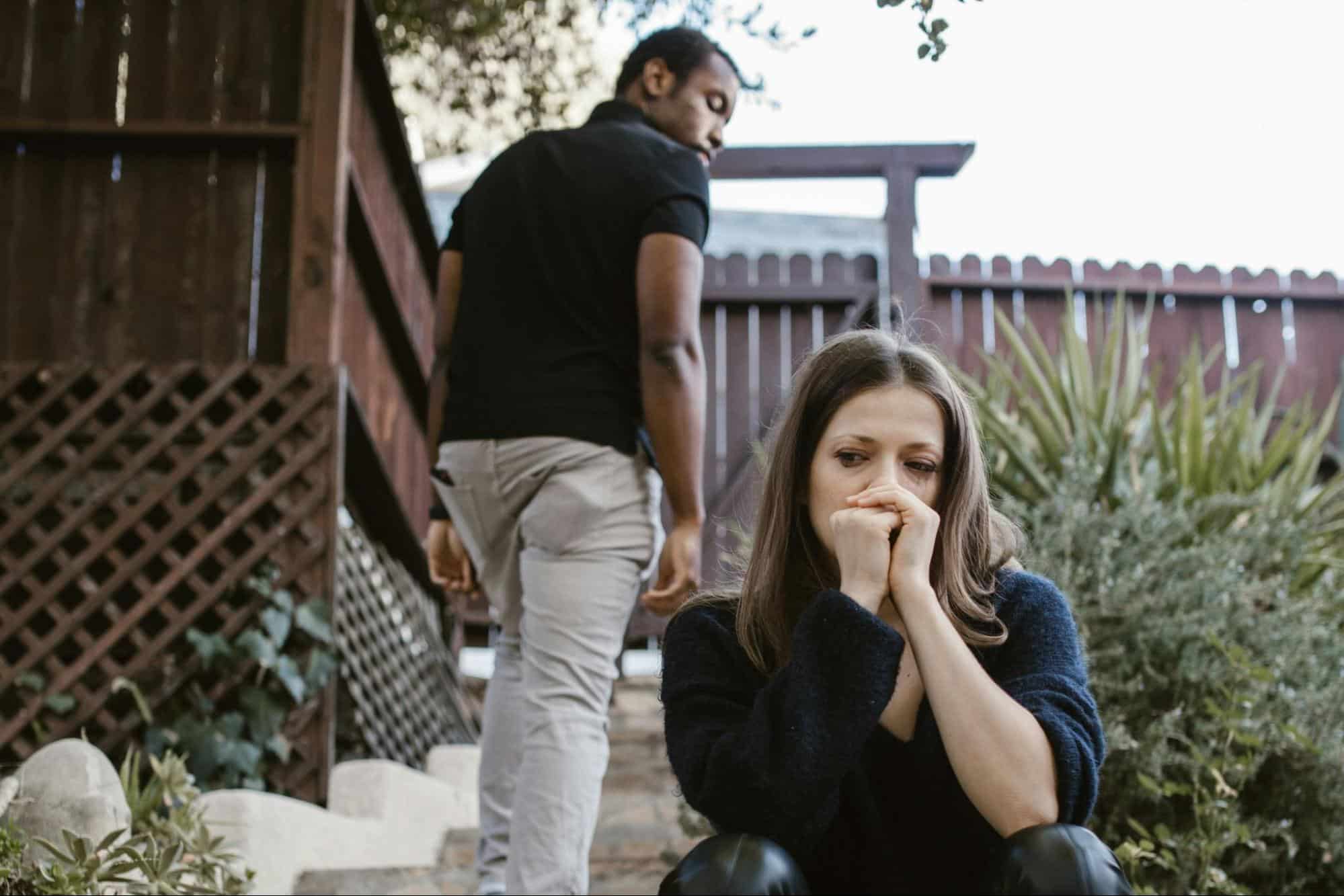
When conflict avoidance dominates, needs requiring negotiation don’t get expressed. This suppression means legitimate needs go perpetually unmet because asking involves potential conflict. If needs stay silent to avoid possible disagreement, those needs never get addressed or fulfilled. The pattern creates a dynamic where one person’s needs are perpetually sacrificed for conflict avoidance. Relationships require both people expressing needs even when uncomfortable. Unvoiced needs can’t be met.
Saying Yes When Meaning No Creates Fake Agreement

Agreeing to avoid conflict when actually disagreeing creates false consensus. This fake agreement means decisions get made based on lies not genuine agreement. If saying yes while thinking no to avoid potential disagreement, the yes is meaningless. The pattern creates life based on fake agreements presented by a person who pretended to agree. Genuine partnership requires honest disagreement when it exists. False yeses are relationship poison.
Real Intimacy Requires Vulnerability That Conflict Avoidance Prevents

Deep intimacy involves expressing authentic feelings including negative ones and working through differences. Conflict avoidance prevents this vulnerability because real feelings might cause conflict. If authentic expression gets suppressed to maintain surface peace, genuine intimacy never develops. The avoidance creates a relationship where both people remain strangers maintaining pleasant facades. True closeness requires weathering conflicts together, not avoiding them. Intimacy dies in conflict-avoidant relationships.
Partner Never Knows What You Really Think or Feel

When conflict is avoided at all costs, authentic thoughts and feelings stay hidden. This concealment means the partner lives with a version of you that doesn’t really exist. If real opinions, preferences, and feelings are suppressed because they might cause disagreement, the partner never knows the actual person. The relationship is built on performance of agreeableness rather than authentic self. Partners deserve to know a real person, not carefully managed conflict-avoiding version. Relationships based on hiding true self are fundamentally dishonest.
You Become Unknown and Unknowable Over Time

Years of conflict avoidance create situations where even you lose touch with your own authentic preferences and feelings. This self-suppression means becoming stranger even to self. If spending decades avoiding expressing real thoughts to prevent conflict, the real self becomes buried and inaccessible. The pattern creates a person who genuinely doesn’t know what they think or want because suppression became automatic. Reconnecting with authentic self after years of conflict avoidance is a difficult journey. The avoidance costs both relationship and sense of self.
Connection Feels Surface-Level Because It Is

When conflict avoidance prevents depth, relationships remain perpetually superficial. This surface-level connection lacks the richness of relationships where people truly know each other including difficult parts. If all conversations avoid anything potentially contentious, depth is impossible. The avoidance keeps relationships stuck in shallow pleasant exchanges that never develop into genuine intimacy. Deep relationships require going through conflicts together not around them. Surface relationships eventually feel empty even if conflict-free.
Partner Makes All Real Decisions Because You Never Disagree

When never expressing disagreement to avoid conflict, a partner’s preferences always win by default. This power imbalance means life gets lived according to one person’s choices. If avoiding conflict means always deferring on decisions, autonomy and equality disappear. The pattern creates relationship hierarchy where conflict-avoiders have no real voice in life direction. Partnerships require negotiation through disagreement when preferences differ. Never disagreeing means having no power in a relationship.
Your Needs Are Always Secondary to Keeping Peace

When maintaining peace is the primary goal, personal needs become expendable. This priority inversion means well-being gets sacrificed to avoid potential conflict. If one’s own needs consistently get suppressed because expressing them might cause disagreement, self-care is impossible. The pattern teaches that peace is more important than your legitimate needs. Healthy relationships include both people’s needs; peace that requires one person’s perpetual sacrifice isn’t sustainable. Needs matter more than conflict avoidance.
Conflict-Avoider Becomes Doormat, Not Partner

Systematic conflict avoidance transforms a person into a doormat where everyone walks. This dynamic eliminates respect because the doormat position invites being walked on. If never standing ground on anything to avoid conflict, the partner stops respecting boundaries that don’t exist. The avoidance creates a dynamic where one person has all power while the other has only compliance. Partners respect people with boundaries and convictions. Doormats don’t get respect regardless of how pleasant they are.
She Doesn’t Know Where Boundaries Are Because You Never Set Any

When conflict avoidance prevents ever saying no or establishing limits, boundaries become invisible. This absence means the partner can’t respect boundaries because they don’t know where they are. If never expressing limits because doing so might cause conflict, boundary violations become impossible to identify or address. The pattern creates a situation where she violates unstated boundaries then gets resented for crossing lines she didn’t know existed. Healthy relationships require clearly communicated boundaries. Unstated boundaries can’t be respected.
Marriage Becomes Roommate Situation Without Real Partnership

When conflict avoidance prevents genuine engagement with differences, relationships devolve into polite cohabitation. This roommate dynamic lacks partnership depth because disagreements that require working together never happen. If avoiding all conflict means never navigating differences together, partnership skills never develop. The avoidance creates two people living parallel lives intersecting only superficially. Real partnership is built through resolving conflicts together. Conflict-free relationships often aren’t partnerships at all.
Relationship Ends Not With Bang But Whimper

Conflict-avoidant relationships often don’t end through dramatic fights but through slow death from disconnection. This quiet ending happens because years of avoided conflict created relationships where nothing is real or connected. If a relationship ends after decades of conflict avoidance, it dies from accumulated avoidance not from any specific fight. The ending feels anticlimactic because the relationship was dying slowly for years through suppression. Explosive endings at least involve engagement; conflict-avoidant relationships die from lack of engagement. The peace was actually slow-motion relationship death.
Years Wasted in Inauthentic Relationship

Decades spent avoiding conflict mean decades living as a false self in a false relationship. This realization that years were spent performing agreeableness rather than living authentically is devastating. If life was lived avoiding real self-expression to prevent conflict, those years can’t be recovered. The avoidance meant sacrificing authentic life for fake peace. Time spent pretending to be a conflict-free person while suppressing the real self is time wasted. Authentic messy relationships beat fake peaceful ones.
Understand Conflict Isn’t Abuse

Many conflict-avoidant people confuse any disagreement with destructive fighting or abuse, creating belief that all conflict is dangerous. Learn distinction: healthy conflict involves expressing different perspectives, working through disagreements respectfully, and resolving issues constructively. Destructive fighting involves yelling, insults, contempt, and emotional abuse. Not all conflict is destructive, most is necessary communication. Start observing conflicts that end with resolution and increased understanding versus fights that cause damage. Practice engaging in low-stakes disagreements about dinner choice or weekend plans to build tolerance for healthy disagreement. Recognize that partners who can fight fairly and resolve conflicts have stronger relationships than those who avoid all disagreement. The goal isn’t conflict elimination but conflict competence.
Practice Expressing Disagreement on Minor Things

If conflict avoidance is deeply ingrained, start building tolerance by expressing disagreement on small, low-stakes issues. Practice saying “Actually, I’d prefer…” when asked about dinner or weekend plans instead of automatic “whatever you want.” Express mild preference different from partner’s: “I was thinking we could do X instead.” Notice that small disagreements don’t destroy relationships. Gradually increase stake level of issues expressed about, from dinner choice to weekend plans to household decisions to bigger concerns. Track instances of expressing different opinions without relationship ending. Build evidence that disagreement is survivable and sometimes even strengthens connection through honest communication. The muscle-building approach makes eventual larger conflicts less terrifying.
Calculate Real Cost of Avoidance

Conflict-avoidant people believe they’re preventing pain by avoiding disagreement, but examine actual costs: unmet needs, accumulated resentment, inauthentic life, eventual explosion or disconnection. List specific costs conflict avoidance has created in relationship, unexpressed needs, suppressed frustration, distance from partner, loss of self. Compare temporary discomfort of addressing an issue to permanent damage of never addressing it. Recognize pattern: avoid short-term discomfort of conflict, create long-term suffering through suppression. Shift calculation from “conflict causes pain” to “conflict avoidance causes more pain.” Practice reframing: “This conversation will be uncomfortable for 20 minutes but avoiding it will hurt for 20 years.” The recognition that avoidance is more painful than engagement motivates change.
Healthy Relationships Require Healthy Conflict

These eighteen damages reveal that conflict avoidance, while appearing virtuous, systematically destroys relationships through accumulated unresolved issues, suppressed needs, false agreements, and prevented intimacy. The “peace” maintained through avoiding all conflict isn’t real peace but rather absence of authentic engagement. Relationships where people never disagree aren’t harmonious, they’re emotionally dead or one-sided where conflict-avoider has surrendered all power and self-expression. Healthy relationships require the ability to engage in constructive conflict where disagreements get voiced, needs get expressed, problems get addressed, and resolution gets reached through dialogue. If multiple damages resonate, conflict avoidance is destroying the relationship not protecting it. The correction requires recognizing that some conflict is necessary, healthy, and relationship-strengthening. Learning to tolerate and engage constructively with disagreement builds intimacy rather than destroying it. The alternative to conflict-avoidant relationship isn’t war, it’s partnership where both people can be authentic, express needs, and navigate differences together.








Ask Me Anything