
Gift-giving in relationships isn’t primarily about material value, it’s about demonstrating that you pay attention, remember what matters to her, invest thought and effort, and care about making her happy. Thoughtful gifts communicate “I know you, I notice what brings you joy, and I invested time making this moment special.” Thoughtless gifts communicate the opposite: “I put in minimum effort because you’re not worth more consideration.” The patterns of lazy gift-giving, last-minute gas station purchases, generic gifts requiring zero thought, self-serving presents, or complete gift absence, reveal actual priority level regardless of what words claim. These seventeen patterns expose when gift-giving has become a thoughtless obligation handled with minimal effort rather than genuine expression of care and attention.
Last-Minute Gas Station or Convenience Store Purchases

Gifts purchased on the way to an event from a gas station, airport shop, or convenience store reveal complete planning absence. This last-minute scrambling show gift wasn’t considered until absolutely necessary. If birthday or anniversary gifts come from the nearest available store on the day, zero advance thought occurred. The pattern demonstrates she’s not worth planning ahead or making effort beyond grabbing something convenient at the last moment. Gas station flowers on anniversary communicate thoughtlessness loudly. Partners recognize last-minute panic purchases versus planned gifts.
Generic Gift Cards Requiring Zero Personalization
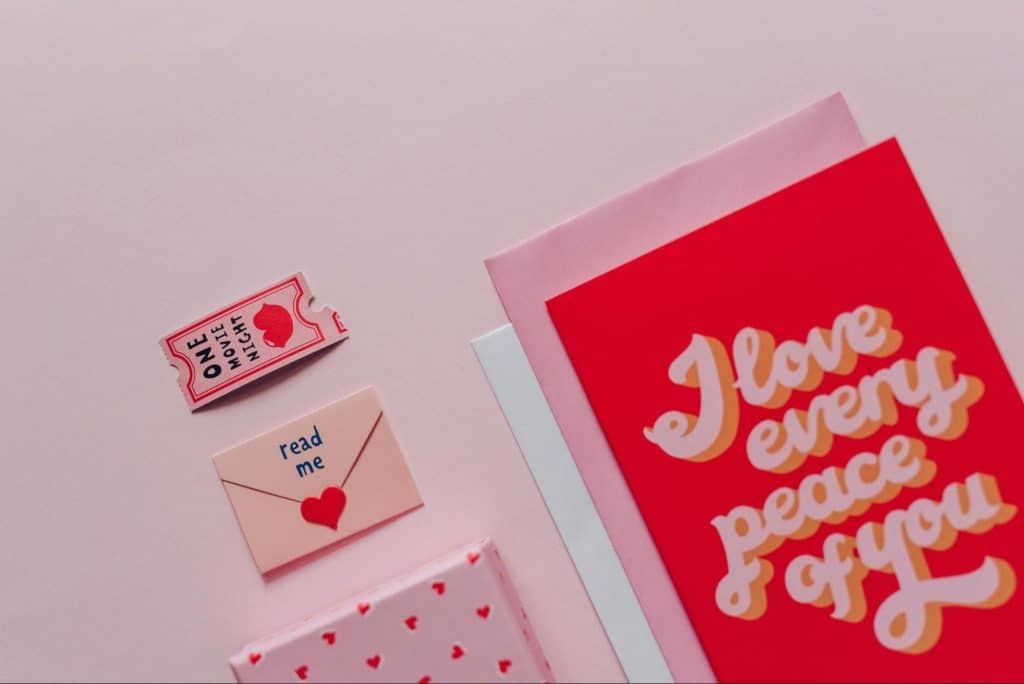
Gift cards to generic stores without any accompanying personal gift or thoughtful element. This card-only giving requires zero knowledge of her interests or preferences. If gifts are consistently Visa gift cards or Amazon cards without anything personal, the giving is purely transactional. The pattern shows unwillingness to consider what she actually enjoys or would appreciate. Gift cards as supplements to thoughtful gifts work; gift cards as complete gift solutions are lazy. Generic cards communicate “I fulfilled obligation with minimum thought.”
Regifting Items You Received or Already Owned

Giving her items you received as gifts but didn’t want or things already in the house being regifted. This regifting pattern reveals inability to invest even money much less thought. If gifts are recognizably regifted items, the message is devastating: you’re not worth purchasing something specifically for you. The pattern sometimes involves giving back items she previously gave you. Regifting is a rock-bottom gift effort. Partners feel valued when gifts are chosen for them specifically.
Gifts Still in Store Bag With Price Tag Visible
Presenting gifts in original store bags without wrapping or even removing price tags. This presentation absence shows minimal effort beyond purchase. If gifts arrive in plastic store bags with tags still attached, presentation consideration is zero. The pattern demonstrates unwillingness to spend five minutes wrapping or removing evidence of last-minute purchase. Presentation matters because it shows additional care. Unwrapped tagged gifts in store bags are peak laziness.
Gifts That Primarily Benefit You More Than Her
Presents you want that get disguised as gifts for her, tools you’ll use, games you’ll play, clothing you find attractive. This self-serving giving prioritizes your desires over hers. If her birthday brings power drill or video game, the gift is for you wearing her-gift disguise. The pattern means gift-giving occasions become opportunities for you to acquire things. Genuine gifts consider the recipient’s interests not the giver’s. Self-serving presents are insultingly obvious.
“Gifts” That Improve Her for Your Benefit
Gym memberships, weight loss programs, clothing different from her style, or makeover items that serve your preferences not hers. This improvement-focused giving communicates dissatisfaction disguised as generosity. If gifts consistently suggest she should change appearance or habits, the message is critical not loving. The pattern makes gift-receiving experience about falling short of expectations. Gifts should celebrate a person as they are. “Improvement” gifts are disguised criticism.
Subscription or Membership That Creates Ongoing Obligation
Gifts requiring her ongoing participation, effort, or commitment like class series or club memberships she didn’t request. This obligation-creating gives burdens rather than delights. If gifts mean she now must attend weekly classes or use memberships regularly, the gift creates work. The pattern shows lack of consideration about whether she actually wants an obligation. Gifts should be enjoyable not create responsibilities. Obligation-based gifts are thoughtless burdens.
Purchasing Things You Want to Experience or Use With Her
Concert tickets to music you prefer, restaurant certificates to places you choose, trips to destinations you select. This preference-driven giving serves your interests primarily. If gifts consistently reflect your tastes while ignoring hers, the pattern is self-serving. Even shared experiences should consider her preferences. The gifts that take her to your preferred activities aren’t gifts, they’re dates disguised as presents. Genuine gifts prioritize the recipient’s preferences.
Repeatedly Gifting Things She’s Allergic to or Dislikes
Giving items involving ingredients, materials, or things she’s explicitly told you she’s allergic to or dislikes. This repeated-mistake pattern reveals complete inattention. If she receives perfumes she’s allergic to, foods she can’t eat, or items in colors she hates repeatedly, you’re not listening. The pattern is particularly hurtful because it shows years of expressing preferences are ignored. Adults remember allergies and strong dislikes. Repeated gift failures demonstrate attention absence.
Generic Gifts Without Any Personal Element

Completely generic presents that could be for anyone, basic candles, generic bath sets, universal wall decorations. This impersonal giving requires zero knowledge of a specific person. If gifts have nothing personal or specific to her interests, personality, or life, thought is absent. The pattern shows you could give identical gifts to any woman. Personal gifts reflect knowing someone. Generic gifts reflect knowing nothing about them specifically.
Buying Wrong Sizes Despite Knowing Her Size

Clothing or jewelry in obviously wrong sizes despite access to correct size information. This size-mistake pattern shows minimum effort in basic details. If gifts are consistently wrong sizes requiring returns, attention to basic information is absent. The pattern is particularly frustrating because the correct size is knowable with minimal effort. Getting sizes right shows basic attention. Wrong sizes reveal careless purchasing.
Always Claiming Budget Is Issue While Spending on Self

Explaining gift absence or cheapness through budget constraints while spending freely on own hobbies and interests. This selective poverty reveals priority not actual budget. If claiming inability to afford gifts while purchasing expensive items for self, the issue is priority not money. The pattern shows that money exists but she’s not worth spending it on. Thoughtful inexpensive gifts exist. Selective budget claims reveal true priority.
Never Planning Ahead or Saving for Gift Occasions

Complete absence of advance planning or saving for predictable gift occasions like birthdays and anniversaries. This preparation absence reveals low priority. If annual predictable dates arrive without financial preparation, she’s not worth planning for. The pattern means gift occasions create financial “emergencies” because planning didn’t happen. Adults save for predictable expenses. Failure to save for her gift occasions reveals actual priority.
Gifts Get Progressively Cheaper or Less Effort Over Years

Gift quality, thoughtfulness, and investment declining over relationship duration. This effort decrease shows diminishing perceived need to try. If early relationships brought thoughtful gifts but current ones are minimal effort, the difference reveals changing priority. The pattern suggests that securing a relationship meant trying was necessary but maintaining it doesn’t. Effort should be sustained, not abandoned. Declining gift effort reveals taking a partner for granted.
Suggesting She Just Buy What She Wants Herself

Responding to gift occasions by telling her to buy herself whatever she wants. This opt-out approach eliminates gift-giving entirely. If birthdays or Christmas brings “just buy whatever you want,” the tradition is being avoided. The pattern shows unwillingness to invest thought, effort, or surprise elements in gift-giving. Gifts matter because someone else chose them thoughtfully. Self-purchasing eliminates the entire point of gifts.
She Stopped Expecting Gifts and Stopped Being Disappointed

A relationship where she no longer anticipates gifts because disappointment from thoughtless patterns became too painful. This expectation of death represents resignation. If she stopped caring about gift occasions because hoping led to disappointment, pattern has killed gift-giving tradition entirely. The stopped expectation means she’s given up on receiving thoughtful gifts. Partners should maintain gift hope. Complete expectation loss reveals severe pattern damage.
Gift-Giving Occasions Feel Worse Than No Occasion

Receiving thoughtless gifts feels more hurtful than receiving nothing because it demonstrates minimal effort rather than absence. This worse-than-nothing experience reveals gifts have become obligations approached with resentment. If gift occasions create dread rather than anticipation because gifts will be thoughtless, tradition is poisoned. The pattern makes occasions painful rather than celebratory. Bad gifts hurt more than no gifts. Thoughtless giving damages more than not giving.
She Stopped Making Effort With Your Gifts

Reciprocal effort declines where she stopped putting thought into your gifts because your thoughtlessness is reciprocated. This mutual deterioration stems from one-sided minimal effort. If she’s given up making your gifts special because yours are consistently thoughtless, the pattern has infected both directions. The effort matching protects her from continued disappointment. Gift-giving becomes mutual obligation minus joy. Pattern destruction flows both directions eventually.
Gifts Are Love Language That Actions Must Support

These seventeen patterns reveal that gift-giving isn’t about money but about attention, effort, and demonstrating that someone matters enough to warrant thought and planning. Thoughtless gifts, whether last-minute gas station purchases, self-serving items, wrong sizes, or complete disregard for her interests, communicate more powerfully than words that she’s not worth consideration or effort. The patterns of lazy gift-giving over years create accumulation of small hurts revealing that gift occasions are burdens to minimize rather than opportunities to show love. If multiple patterns resonate, gift-giving has become a thoughtless obligation handled with minimal effort. Correction requires recognizing that gifts demonstrate priority through attention paid to preferences, effort invested in selection, thought applied to what brings joy, and care shown through presentation. Thoughtful gifts don’t require wealth, they require knowing the person and caring enough to show it. The partner who opens thoughtless gifts repeatedly feels unseen, unvalued, and unworthy of effort. Eventually gift occasions become painful reminders that she’s not worth consideration. Partners deserve gifts showing they’re known, valued, and worth effort regardless of cost.








Ask Me Anything