
Being single again after decades of marriage requires rebuilding everything, not just romantic life but entire identity, daily routines, social circles, and self-concept. The person who existed before marriage is gone; the married person is gone; who remains needs discovery and construction. This transition involves practical challenges, learning to cook for one, managing finances independently, handling home maintenance alone, and existential ones, figuring out who you are without “husband” identity, rebuilding social life as a single person, creating meaning independent of partnership. Starting over in 2026 means navigating this reconstruction while life continues demanding attention. These seventeen realities provide an honest roadmap for building satisfying single life after a long marriage, addressing both practical logistics and profound identity questions.
Your Married Identity Is Gone and That’s Disorienting

Identity as “husband,” “her partner,” or half of a unit shaped decades of self-concept. That identity’s disappearance creates profound disorientation about who you are now. The hobbies, routines, and social circles built around married life may no longer fit or feel accessible. This identity loss is genuine grief requiring processing. Expecting to immediately know who you are as a single person after decades married is unrealistic. The reconstruction takes time, experimentation, and patience. Allow yourself to not know who you are yet.
Rediscovering Independence Takes Conscious Effort

Skills, confidence, and habits of independence may have atrophied during marriage. Relearning to make all decisions independently, from dinner choices to major life direction, without considering partner’s preferences takes adjustment. Freedom feels overwhelming before feeling liberating. Building routines, habits, and life structure without considering another person requires conscious effort and practice. If marriage involves significant dependence or interdependence, independence is a learned skill, not an automatic state. The autonomy comes gradually through repeated experience of functioning solo.
You Get to Define Yourself Now Without Compromise

The silver lining of identity reconstruction: complete freedom to decide who to become. Interests suppressed during marriage can be explored. Lifestyle preferences previously compromised can be honored. Values, priorities, and daily choices no longer require negotiation. This freedom to be wholly authentic without accommodation is a profound opportunity. If marriage involves significant compromise of self, this is a reclamation period. The question “who do I want to be?” has no constraints except its own vision.
Social Identity Shift From Couple to Individual Is Awkward

Social situations designed for couples, dinner parties, weddings, couple-friend gatherings, suddenly feel uncomfortable or inaccessible. The automatic social unit is gone, creating awkwardness in formerly comfortable contexts. Friend groups established as couples often drift or become uncomfortable when you’re suddenly single. This social identity shift requires building new social contexts appropriate for single life. The discomfort is temporary but real. New social patterns eventually replace old coupled ones.
You Need to Relearn or Learn Basic Life Management

Skills your partner handled, cooking, cleaning, yard work, home repairs, financial management, may be completely unfamiliar. Adult life requires competencies that division of labor in marriage allows avoiding. Learning to cook edible meals, manage a complete household, handle basic repairs, and maintain living space alone are necessary skills. YouTube, classes, and trial-and-error become teachers. The learning curve is steep but manageable. Adults can learn what they need to learn; the initial incompetence is temporary.
Financial Independence Requires Complete Understanding

If finances were shared or partner-managed, achieving financial literacy and independence is critical. Understanding the complete financial picture, income, expenses, debts, assets, budget, provides foundation for stability. Learning to manage money solo, create budgets, plan for retirement, and handle financial decisions independently is essential. Professional financial advisor consultation may be a worthwhile investment. Financial confidence enables other life confidence. Learning prevents vulnerability and builds self-sufficiency.
Establishing New Routines and Rhythms Takes Time

Daily schedules, evening routines, weekend patterns established during marriage are disrupted. Creating new rhythms that work for solo life requires experimentation. Meals, entertainment, sleep schedules, and free time use all need reconstruction. The initial chaos of structure-less existence gradually organizes into new patterns. What works for one single person differs from another, find your rhythms. The routine establishment provides stability during transition chaos.
Living Space Becomes Your Space Alone

Home previously shared becomes entirely yours to organize, decorate, and use. This offers freedom to arrange life exactly as preferred without negotiation. Simultaneously, the empty space can feel lonely or too large. Making space truly yours, through decoration changes, furniture rearrangement, or even moving, helps claim it. The space should reflect current identity, not preserved married life. The physical environment supporting solo life makes adjustment easier.
Loneliness Will Come in Waves, Especially at First
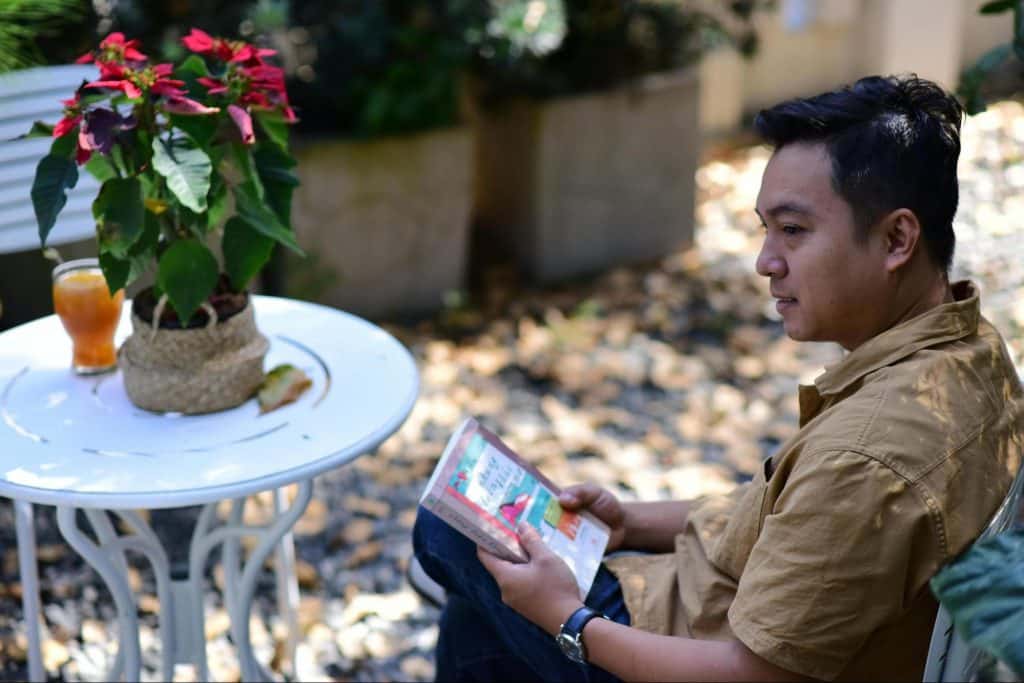
Loneliness, particularly during traditionally couple times like evenings, weekends, holidays, is an inevitable part of adjustment. The absence of constant companionship feels acute initially. This loneliness is normal grief, not an emergency requiring an immediate relationship. Learning strategies for managing loneliness, social connection, engaging activities, comfortable solitude, provides coping tools. The intensity decreases over time as solo life normalizes. Loneliness doesn’t mean singleness is wrong; it means adjustment is happening.
You’ll Question the Decision Repeatedly and That’s Normal

Even when divorce was the right choice, moments of doubt, regret, or wondering “what if” arise. This questioning doesn’t mean a mistake was made; it means grieving and adjusting. The uncertainty about whether you made the right choice is part of processing major life change. Reminding yourself of reasons for leaving helps during doubt periods. The questioning diminishes as new life develops. Doubt is normal, not definitive.
Grief Comes When You Least Expect It
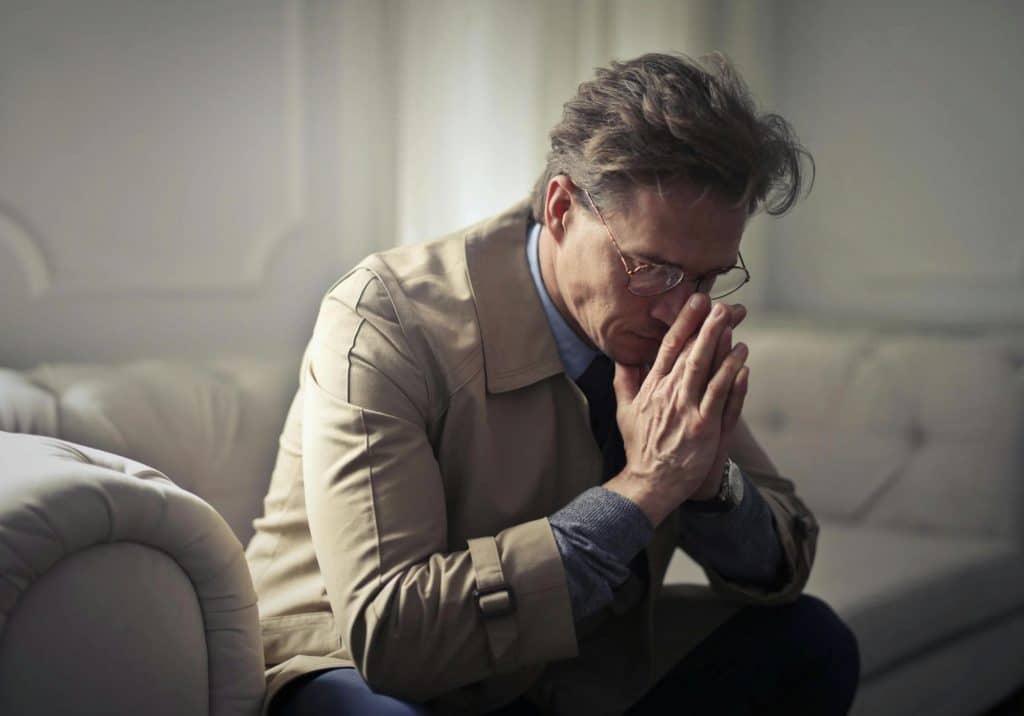
Triggers, songs, places, dates, memories, bring unexpected waves of grief long after thinking you’ve moved on. This grief isn’t linear or predictable. Allowing grief without judgment or shame facilitates processing. The waves become less frequent and intense over time. Grief coexisting with forward movement is normal. You can be healing and still have hard moments.
Relief and Grief Can Coexist Confusingly
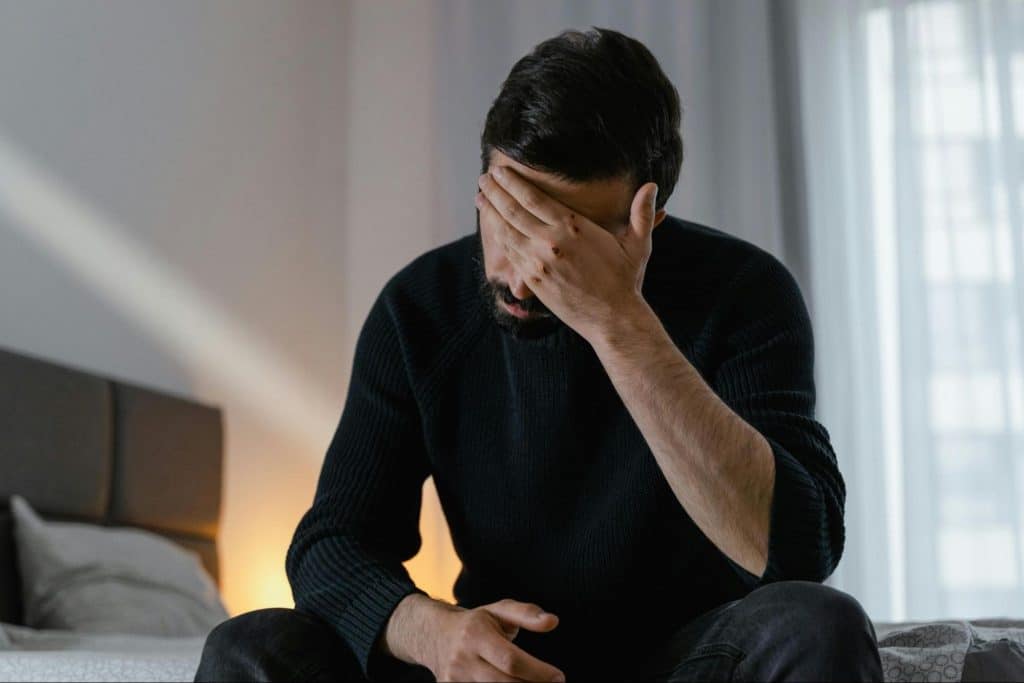
Simultaneously feeling relieved to be out of marriage and grieving what’s lost creates a confusing emotional state. Both feelings are valid and can exist together. Relief doesn’t mean you didn’t love or grieve; grief doesn’t mean you made the wrong choice. The emotional complexity is a normal part of major life transitions. Accepting both emotions without needing to resolve contradictions helps. The confusion is a temporary state during adjustment.
Friend Circles Often Shift Dramatically Post-Divorce
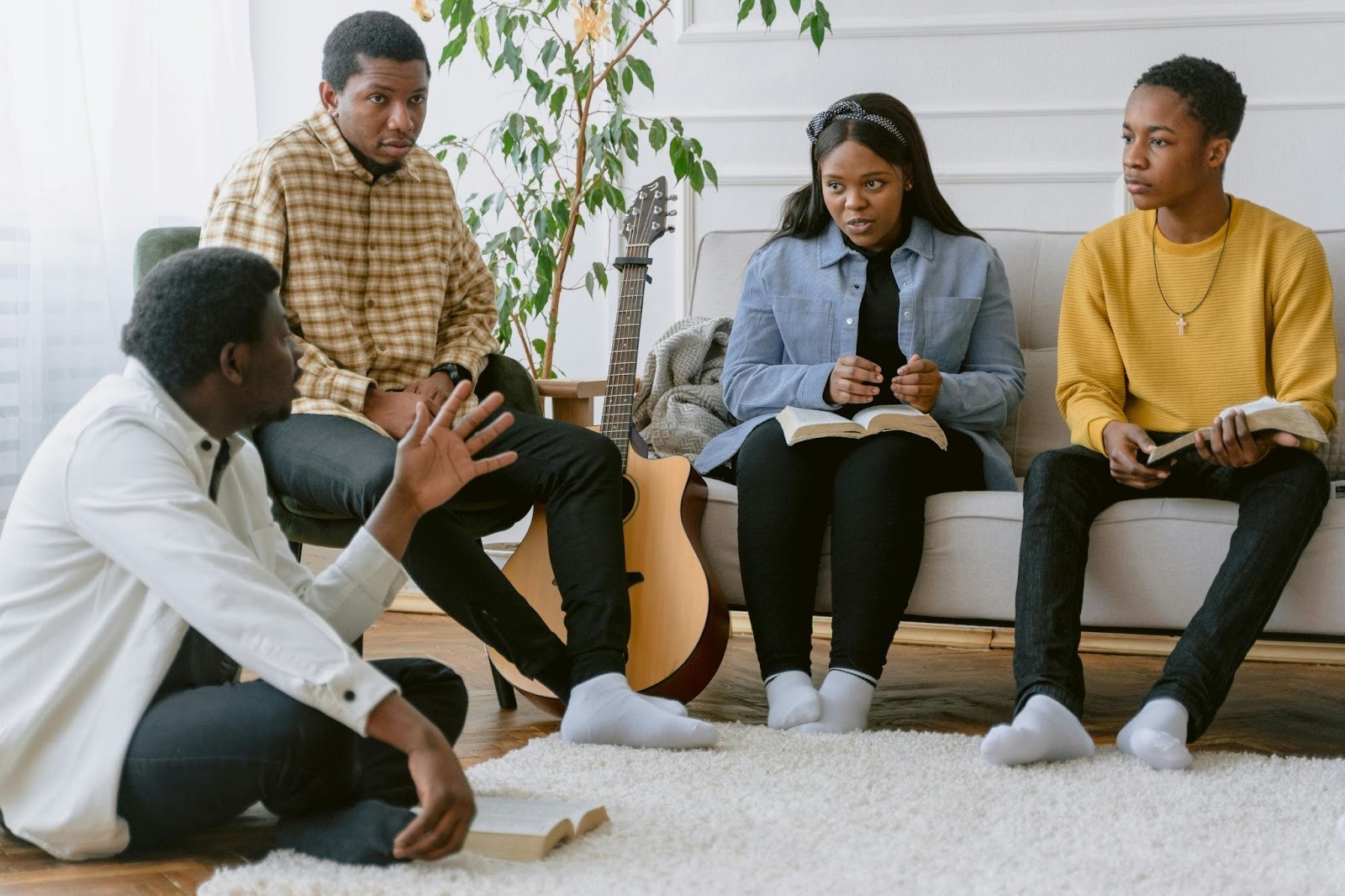
Couple friends may feel uncomfortable with a newly single person or take sides. Friendships where you were the outsider because your wife was the connector may fade. This friend loss compounds divorce loss but is a common experience. Building new friendships as a single person becomes necessary. The shift reveals who true friends are versus couple-context acquaintances. New friend circles emerge over time through activities and communities.
You Need to Build New Social Networks as Single Person
Joining groups, clubs, activities, or communities as individual rather than couple members creates single-appropriate social life. Sports leagues, hobby groups, volunteer organizations, or classes provide structured social interaction. Building social life from scratch feels daunting but becomes an adventure. The connections made as authentic single self often feel more genuine than couple-context friendships. Intentional community building prevents isolation.
Male Friendships May Need Intentional Development

If social life was primarily through wife’s friend networks, male friendship building requires conscious effort. Many men in 40s+ lack close male friendships outside work. Developing genuine male friendships, through shared activities, regular contact, emotional honesty, provides crucial support. The stereotype that men can’t have deep friendships is false but developing them requires vulnerability and effort. Male friendship prevents isolation and provides an essential support network.
Solo Activities and Comfort Being Alone Are Essential

Learning to do things alone, eat at restaurants, attend events, travel, enjoy activities, without self-consciousness or loneliness is a crucial skill. Comfortable solitude rather than lonely isolation is the goal. Distinguishing between being alone and being lonely helps frame solo time positively. Activities enjoyable solo build fulfilling life independent of romantic relationships. The comfort with one’s own company is the foundation of healthy singleness.
This Is Opportunity for Authentic Life Construction

Starting over allows building life aligned with actual values, interests, and priorities without compromise. The question “what do I actually want?” can be answered without negotiation. Career changes, relocations, hobby pursuits, or lifestyle choices previously impossible become options. This freedom to construct authentic life is a major silver lining. If previous life involved significant compromise or living for others, this is reclamation. The blank slate is a gift.
Personal Growth Without Partner’s Input or Limits Is Powerful

Therapy, self-development, habit changes, or personal evolution can happen without partner’s resistance, judgment, or involvement. Growth suppressed or complicated by marriage dynamics becomes possible. Addressing personal issues, from childhood trauma to bad habits, gets easier without relationships to navigate simultaneously. This focused self-work accelerates development. The growth achieved independently becomes a solid foundation.
You Don’t Need Another Relationship to Be Complete

Cultural messaging suggests single life is incomplete or transitional before the next relationship. This is a false narrative. Single life can be full, meaningful, and chosen. Completeness comes from within, not from relationship status. Building satisfying single life prevents desperate relationship-seeking and enables choosing the next relationship from wholeness rather than neediness. The sufficiency of single life is both truth and goal.
Your Best Life Might Be the One You Build Alone

Many people post-divorce discover that solo life suits them better than they imagined. The peace, autonomy, and authenticity of life built for self rather than couple creates satisfaction marriage didn’t. This doesn’t reflect failure of marriage or inadequacy of partnership generally, it reflects that for some people at some life stages, solo life is optimal. Remaining open to this possibility prevents forcing relationships that aren’t needed. Your best life is whatever life works best for you.
Starting Over Isn’t Going Backward, It’s Going Forward

Starting over as a single person after a long marriage involves profound reconstruction of identity, daily life, social circles, and self-concept. The adjustment is challenging, sometimes lonely, and occasionally disorienting. However, it’s also an opportunity for authentic life building that prioritizes genuine desires and values. The practical skills required, independence, self-sufficiency, solo life management, are learnable. The emotional adjustment, grief, doubt, loneliness, is normal and temporary. What emerges is a person who knows themselves, lives authentically, and functions independently. This foundation serves well whether the future includes new relationships or continued solo life. Starting over in 2026 means embracing single status as a valid life state, not transitional limbo. The life built from this foundation, designed for and by you, can be the most authentic and satisfying life yet lived. Single is not lesser; it’s different. And different can be exactly right.








Ask Me Anything