
Love rarely collapses all at once. It usually erodes quietly, through habits that seem harmless, even responsible, at first. Over time, affection turns into duty, and connection starts to feel like a job description you never applied for.
These patterns don’t look like betrayal or dramatic conflict, which is why so many couples miss them. But if left unchecked, they slowly replace desire with resentment. The goal isn’t to assign blame—it’s to recognize what’s happening early enough to change course while love is still alive.
Doing Things Out of Guilt Instead of Desire

When you start saying yes because you feel bad saying no, love quietly shifts into obligation. You stop asking yourself what you actually want and start managing your partner’s emotions instead. Over time, this builds resentment on both sides—you feel trapped, and they sense your reluctance. Guilt-driven affection is fragile and unsustainable. A healthier approach is to pause before agreeing and ask whether your yes is honest. A reluctant no is often kinder than a resentful yes.
Keeping Score of Who Does More

Love turns transactional when both people start mentally tracking effort, favors, and sacrifices. Instead of feeling generous, every action becomes a receipt waiting to be redeemed later. This mindset kills warmth and replaces it with quiet competition. No one feels appreciated—only evaluated. The fix isn’t perfect balance, but generosity without immediate expectation. When resentment shows up, talk about it directly instead of tallying it silently.
Avoiding Conflict to “Keep the Peace”

Constantly swallowing your feelings may look mature, but it slowly poisons intimacy. When issues never get addressed, they don’t disappear—they harden. You start feeling like your role is to maintain stability rather than be fully yourself. Over time, love feels like emotional labor instead of connection. Healthy relationships can tolerate discomfort. Saying what needs to be said early prevents years of quiet dissatisfaction.
Assuming Love Means Endurance

Some people believe real love is about sticking it out no matter how unhappy you feel. This belief turns relationships into tests of tolerance rather than sources of joy. Endurance replaces enthusiasm, and staying becomes the main achievement. But love isn’t proven by how much you can suffer. It’s sustained by mutual care and responsiveness. If you’re constantly “getting through” the relationship, something needs attention.
Taking Care of Everything Without Being Asked
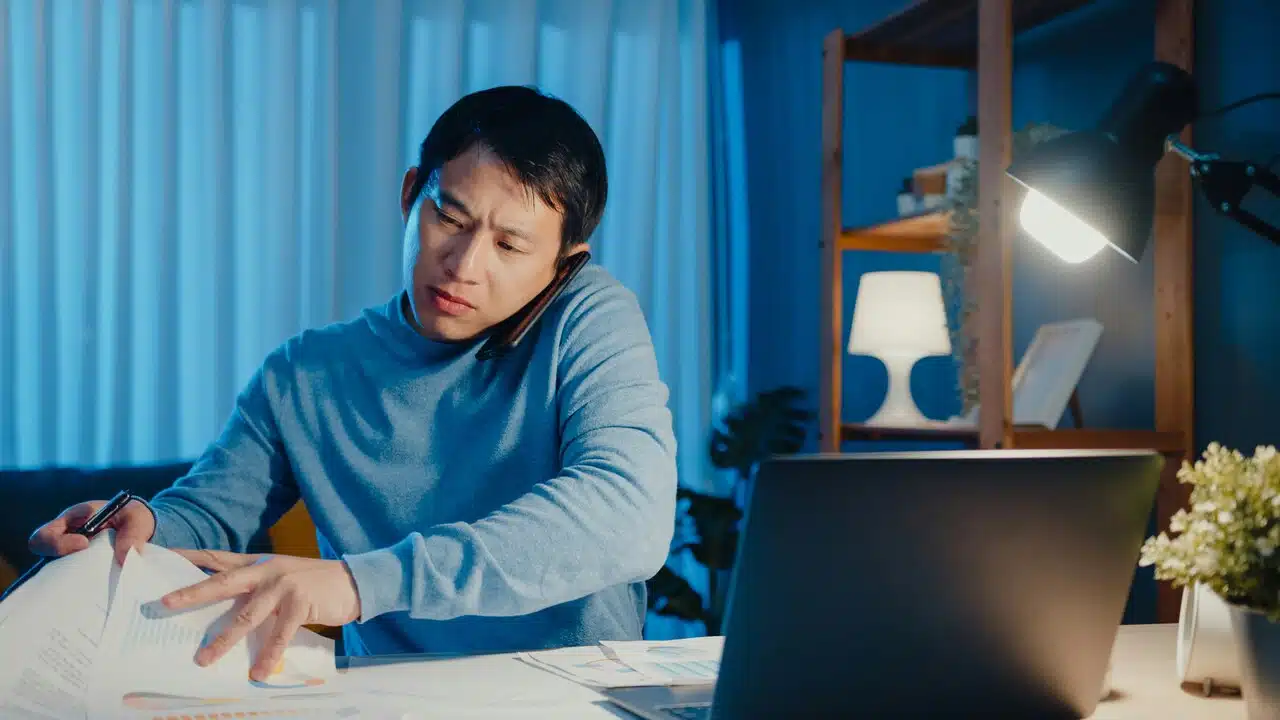
Being reliable is admirable, but over-functioning creates imbalance. When one partner becomes the default manager of life, love morphs into responsibility. You stop feeling like a partner and start feeling like a system holding everything together. The other person may grow dependent or disengaged without realizing it. Share the mental load, even if it feels uncomfortable at first. Equality restores attraction.
Saying “It’s Fine” When It’s Not

Minimizing your feelings keeps things calm in the short term but costly in the long run. Every “it’s fine” when it’s not teaches your partner not to take your inner world seriously. Eventually, you stop sharing altogether. Love can’t survive without emotional honesty. Practice naming small frustrations before they become big ones. Clarity prevents emotional distance.
Confusing Consistency With Effort

Showing up isn’t the same as being engaged. Many relationships slide into autopilot, where routines replace intention. You’re together, but no one is actively choosing the other anymore. Love starts to feel obligatory because nothing is being renewed. Effort doesn’t have to be grand—it just has to be conscious. Small, intentional gestures keep love alive.
Letting Appreciation Fade Into Assumption

When “thank you” disappears, obligation takes its place. Acts of care become expected rather than valued. The person giving feels invisible, and the person receiving feels entitled. Gratitude is emotional oxygen—it reminds both people that love is a choice, not a requirement. Say appreciation out loud, even for things that happen every day. It changes the emotional tone immediately.
Staying Because of Time Invested

The longer you’re together, the harder it feels to question the relationship. Time becomes a reason to stay, even when fulfillment is gone. This is how love turns into obligation disguised as loyalty. But past investment doesn’t guarantee future happiness. Regularly ask whether the relationship still supports who you’re becoming. Staying should be an active decision, not a default.
Taking Emotional Availability for Granted

When someone is always there, it’s easy to stop cherishing that presence. Emotional access becomes assumed rather than respected. Over time, the relationship feels less like a bond and more like a utility. Protect emotional availability by not abusing it. Check in, listen fully, and avoid treating support as an unlimited resource.
Playing the “Responsible One” All the Time

If you’re always the adult, the planner, or the fixer, love turns into duty fast. Responsibility crowds out playfulness and desire. You may feel needed, but not wanted. Healthy love includes room for imperfection and mutual care. Let yourself step out of the role occasionally. Desire thrives where responsibility is shared.
Equating Stability With Happiness

A calm relationship isn’t automatically a fulfilling one. Many couples confuse the absence of drama with the presence of love. Over time, emotional flatness feels like obligation—you stay because nothing is “wrong.” But love should also feel alive. Ask whether you feel energized or merely settled. Stability should support joy, not replace it.
Making Sacrifice the Core of the Relationship

Sacrifice is part of love, but when it becomes the main currency, resentment grows. One or both partners may feel perpetually deprived. Love starts to feel like loss management rather than connection. Balance sacrifice with mutual benefit and choice. A healthy relationship gives back as much as it takes.
Losing Curiosity About Each Other

When you stop asking questions, love goes stale. You assume you already know your partner, so curiosity fades. Without curiosity, connection turns mechanical. Make space for growth by staying interested in who they are becoming. Curiosity keeps love dynamic instead of dutiful.
Doing Things “Because That’s What Couples Do”

Following a script instead of your own needs drains meaning from intimacy. Dates, routines, and milestones become checkboxes. Love feels obligatory when actions lose personal intention. Regularly ask why you’re doing what you’re doing. Meaningful choices feel lighter than habitual ones.
Ignoring the Early Signs of Resentment

Resentment doesn’t arrive loudly—it builds quietly through unmet needs. When ignored, it reshapes love into obligation almost invisibly. You keep showing up, but your heart isn’t in it anymore. Treat resentment as a signal, not a failure. Address it early with honesty and curiosity.
Forgetting That Love Is a Choice

The most dangerous shift happens when love feels compulsory. You stop choosing your partner and start fulfilling a role. Obligation replaces desire, and connection becomes maintenance. Love stays alive when it’s chosen daily, not assumed. Remind yourself—and each other—that staying is voluntary. That awareness alone can revive intimacy.








Ask Me Anything