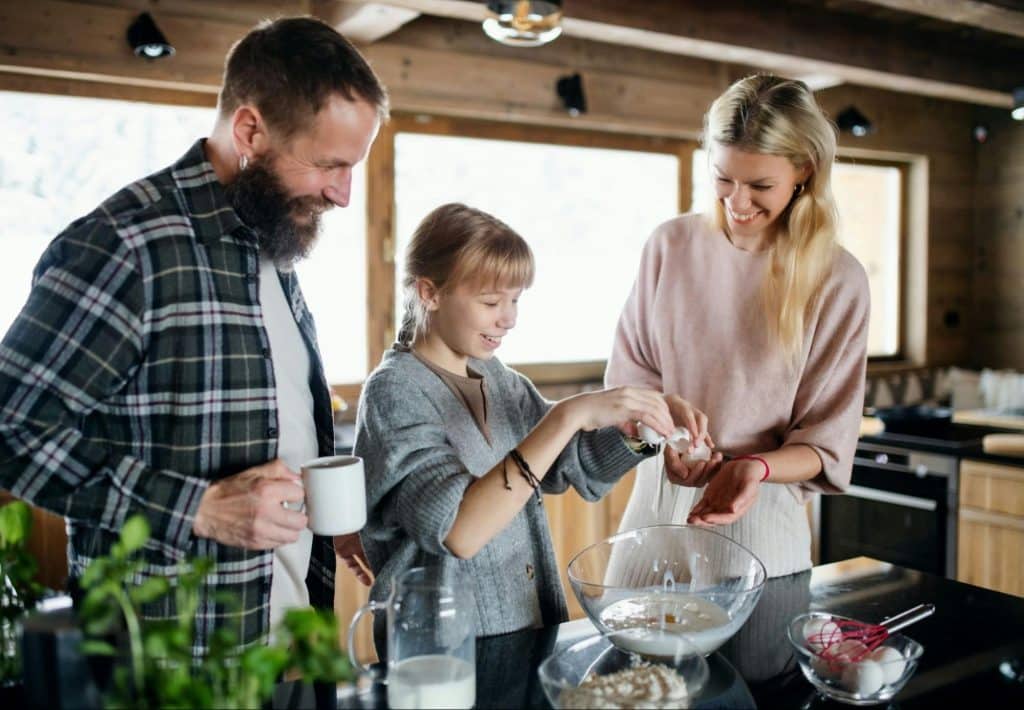
Children don’t learn about marriage from what parents say about relationships, they learn from what they observe daily. The marriage being modeled becomes the template children carry into their own relationships. If they see disrespect, they learn that’s normal. If they witness equity, they internalize that standard. Every interaction teaches lessons about partnership, conflict, communication, and love. Parents who declare “don’t treat people this way” while modeling exactly that behavior create confusion and often replication of observed patterns. These fifteen questions ask what’s actually being taught through the marriage children witness daily.
Are They Learning That Disrespect Is Normal in Marriage?
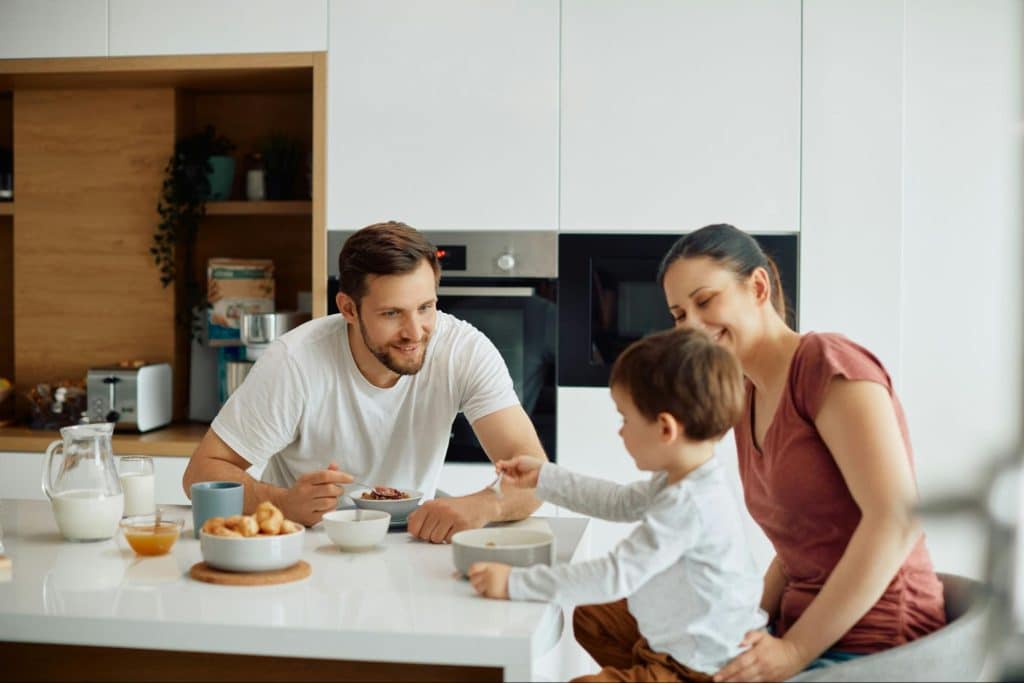
If children regularly hear dismissive tone, see eye rolls, or witness one parent belittling the other, that becomes normalized. The message absorbed is that marriage includes routine disrespect. They learn that love and contempt coexist, that commitment includes permission to treat someone poorly. These lessons embed deeply because they’re observed repeatedly in supposedly loving relationships. If children see disrespect at home, they’ll either replicate it or tolerate it in their future relationships.
Are They Learning That One Person’s Needs Always Come First?
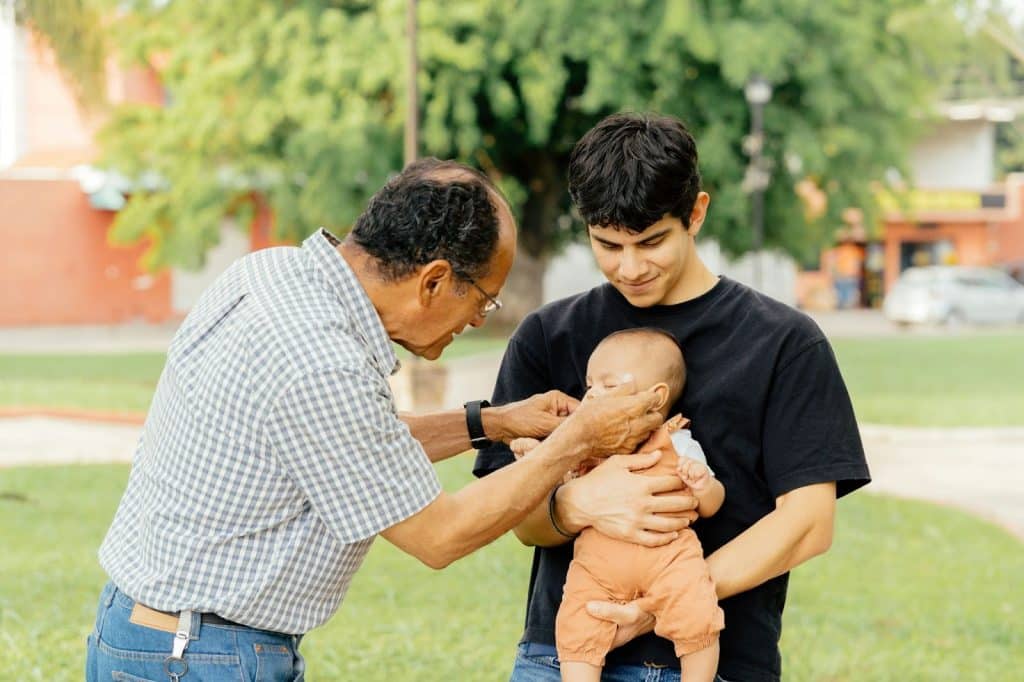
If children observe one parent’s preferences, schedule, and desires consistently prioritized while the others are secondary, hierarchy gets normalized. The lesson taught is that partnerships have dominant and subordinate roles. They learn either to expect caretaking or to become caretakers based on which parent they identify with. This power imbalance becomes their template for how relationships function. If they see inequality modeled, equality will seem strange or wrong in their own partnerships.
Are They Learning That Complaints Replace Compliments?
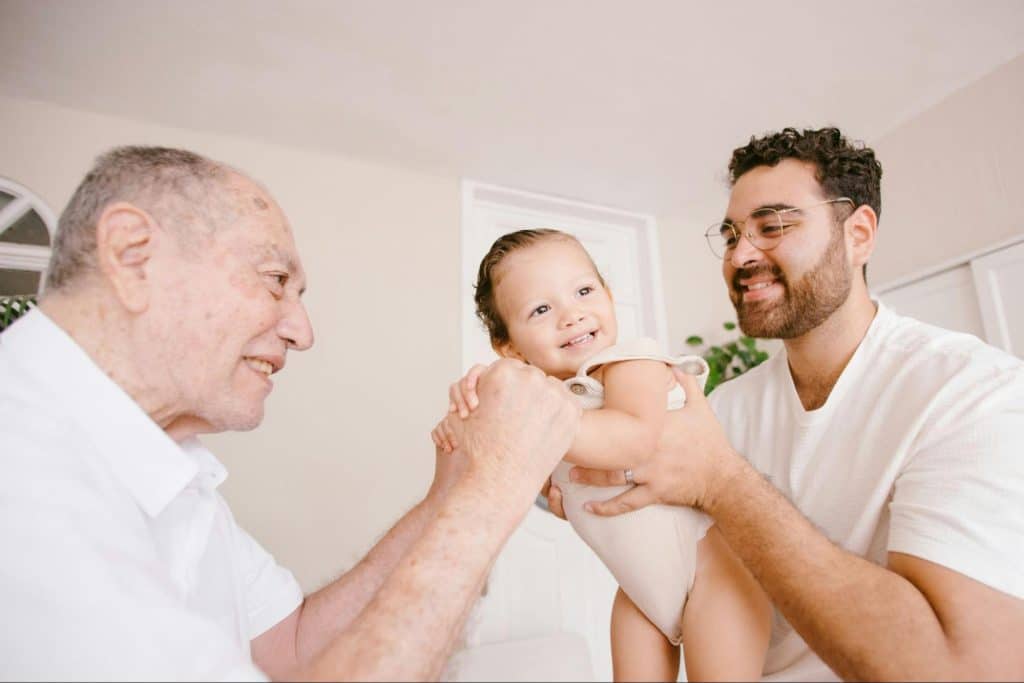
If the marriage they observe includes frequent criticism but rare appreciation, that ratio becomes their standard. Children learn that spouses focus on faults rather than strengths. They internalize that negativity is how love sounds after years together. This teaches them that partnerships involve chronic dissatisfaction rather than ongoing appreciation. If they rarely hear parents compliment each other, they won’t know that’s essential to healthy relationships.
Are They Learning That Affection Disappears Over Time?
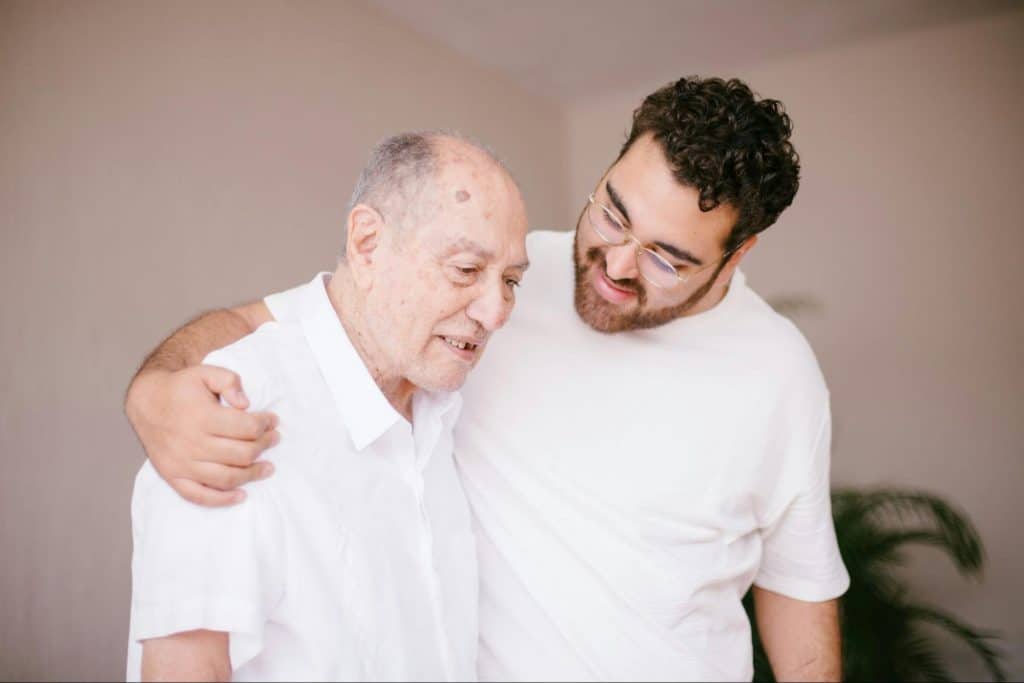
If physical affection, kind words, and loving gestures are absent from observed marriage, children learn that romance dies inevitably. They see the end state, emotional distance and lack of warmth, as marriage’s natural conclusion. The lesson is that passion and affection are temporary, replaced by tolerance and cohabitation. They won’t know that maintaining affection is a choice that requires effort. If they see affection-free marriage, they’ll expect the same trajectory in theirs.
Are They Learning That Yelling Is How Adults Handle Disagreement?

If conflict resolution they observe involves raised voices, harsh words, and emotional escalation, that becomes their conflict template. Children learn that disagreements mean fighting, that adults lose control when upset. They don’t learn that calm discussion and respectful disagreement are possible. These lessons create either conflict-avoiders or conflict-escalators in the next generation. If they see volatile fights, healthy conflict will seem impossible.
Are They Learning That Problems Get Swept Under the Rug?

If conflicts in observed marriages end without resolution, silent treatment, avoidance, pretending it never happened, children learn that issues don’t get addressed. The message is that discomfort should be avoided rather than worked through. They learn that problems disappear if ignored long enough. This teaches conflict avoidance rather than conflict resolution skills. If they see unresolved tension as normal, they won’t develop tools for actual resolution.
Are They Learning That Apologies Don’t Happen in Marriage?
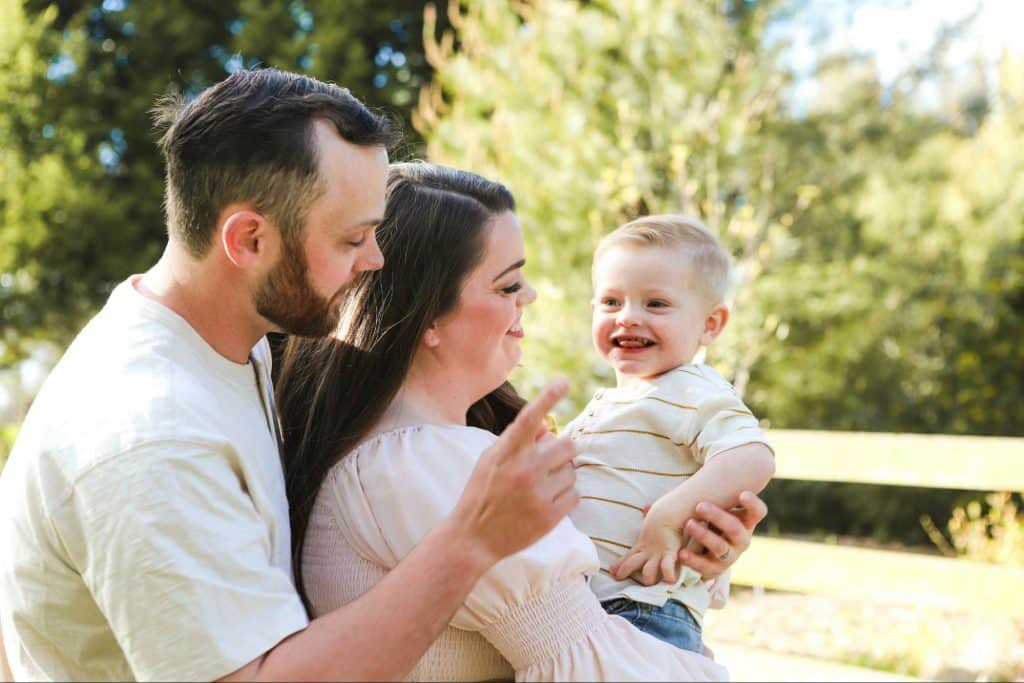
If children never witness genuine apologies between parents, they learn that admitting wrong isn’t part of partnership. They see that pride matters more than accountability. The lesson is that spouses don’t apologize to each other even after clear wrongdoing. This teaches them that stubbornness and defensiveness are normal in marriage. If they don’t see apologies modeled, they won’t know to expect or offer them.
Are They Learning That One Person Always Gives In?
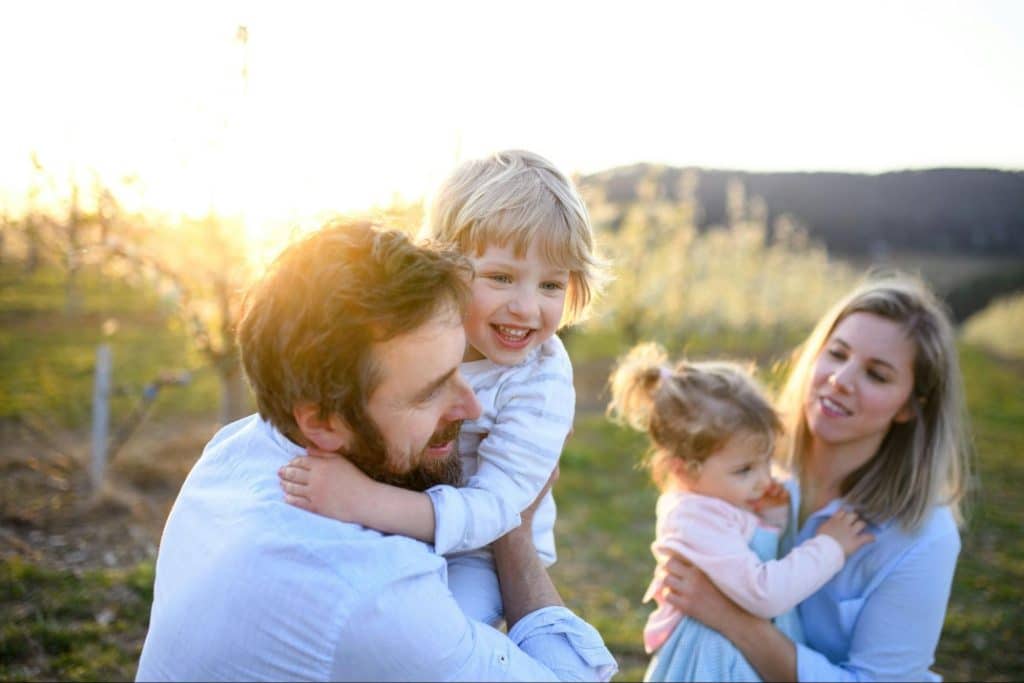
If conflict resolution consistently involves the same person conceding, children learn that partnership means someone always loses. They see that peace comes through submission rather than collaboration. The lesson is that relationships have a person who compromises and a person who gets their way. This creates expectation of either dominance or subordination. If they see unequal compromise, mutual respect will seem unnecessary.
Are They Learning That One Parent Does Everything?
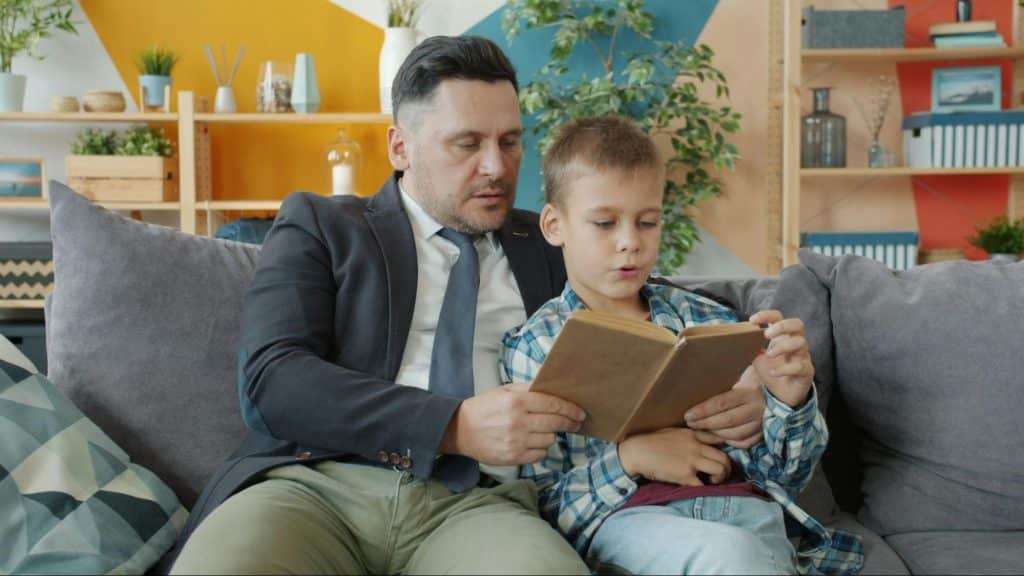
If children observe one parent managing household, children, and logistics while the other contributes minimally, that division becomes normal. They learn that partnership doesn’t mean equal contribution. The default parent dynamic teaches that mothers manage while fathers help. This pattern replicates across generations unless consciously broken. If they see inequity modeled, they’ll recreate it or accept it.
Are They Learning That Emotional Labor Belongs to One Gender?
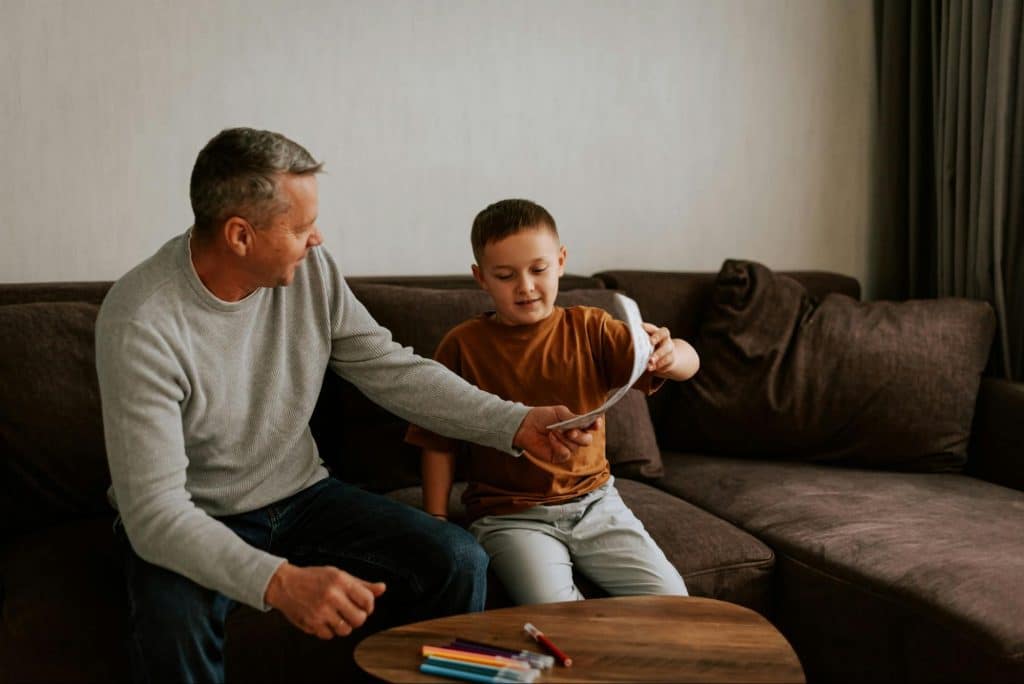
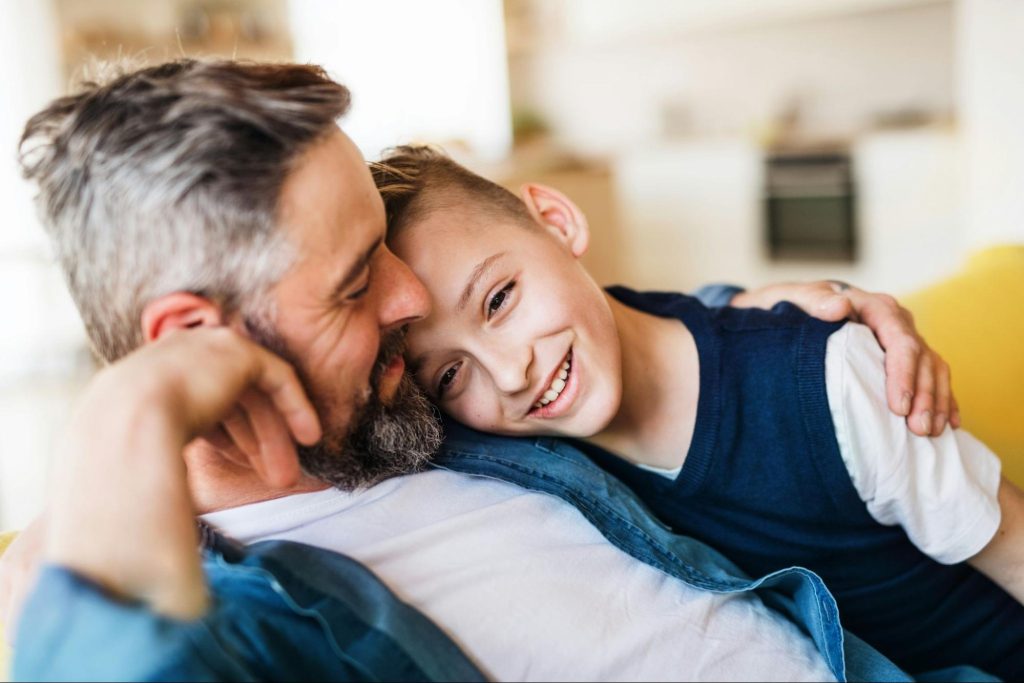
A man guiding his son
If children see only one parent managing everyone’s emotions, planning celebrations, maintaining relationships, and handling emotional work, gendered roles get cemented. They learn that emotional caretaking is women’s work. Boys learn they won’t be responsible for emotional labor; girls learn they will carry it all. This division damages both by limiting full partnership. If they see gendered emotional labor, they’ll repeat those patterns.
Are They Learning That Fathers “Help” While Mothers “Manage”?
If language around household and parenting frames father as helper rather than equal parent, children internalize that fathers assist rather than fully parent. They hear “Dad’s helping with dinner” never “Mom’s helping with dinner.” This language teaches that primary responsibility belongs to mothers. Children learn that fathers’ domestic contribution is a bonus, not baseline. If they hear a helper language, they’ll adopt that framework.
Are They Learning That Marriage Means Losing Independence?

If children see one parent restricted, monitored, or lacking autonomy while the other maintains freedom, they learn that commitment means control. They observe that marriage involves surveillance and limitation for some people. The lesson is that partnership requires surrendering independence and choice. This teaches either to avoid commitment or to expect restriction. If they see control dynamics, healthy autonomy will seem incompatible with partnership.
Are They Learning That Spouses Don’t Actually Talk to Each Other?
If conversations they observe are purely logistical, schedules, tasks, problems, never emotional or personal, children learn that spouses don’t really connect. They see marriage as an operational partnership, not an emotional one. The lesson is that deep conversation isn’t part of long-term relationships. They learn that vulnerability and sharing don’t happen between spouses. If they see transactional communication only, intimacy will seem foreign.
Are They Learning That Parents Don’t Enjoy Each Other?

If children never see parents laughing together, enjoying each other’s company, or choosing to spend time together, they learn that spouses don’t like each other. They observe that marriage is an obligation, not pleasure. The lesson is that partners tolerate rather than enjoy each other. They don’t see that maintaining friendship is possible or important. If they see joyless coexistence, they’ll expect the same.
Are They Learning That Emotional Needs Don’t Matter?
If they observe one parent’s emotional needs consistently dismissed, minimized, or ignored, children learn that feelings are inconvenient. They see that expressing needs leads to rejection or irritation. The lesson is that partnership doesn’t include emotional support. They learn either to suppress needs or to expect them unmet. If they see emotional invalidation, they’ll normalize it.
Are They Learning That Work Always Comes Before Family?
If children observe one parent consistently prioritizing work over family time, events, or needs, they learn that career outranks relationships. They see that jobs are more important than people. The lesson is that professional success justifies family neglect. They learn that being unavailable is acceptable if reason is work. If they see work-first modeling, they’ll either resent it or repeat it.
Are They Learning That Parents Stop Being Individuals?

If children see parents with no individual interests, friendships, or identity beyond parenting, they learn that marriage means losing self. They observe that becoming spouse and parent erases individual personhood. The lesson is that partnership requires sacrificing interests, friendships, and growth. They don’t learn that maintaining individual identity strengthens relationships. If they see identity loss, they’ll expect or enforce it.
The Marriage You Live Is the Marriage You’re Teaching

These fifteen questions reveal uncomfortable truth: verbal lessons about relationships matter far less than observed modeling. Children who hear “respect your partner” while watching disrespectful marriage learn that words are meaningless. The relationship template they carry forward comes from years of observation, not from lectures about what they should do. If the marriage they witness is troubled, that becomes their normal. The good news is that changing modeled behavior changes what’s taught. Treating a partner with respect, sharing labor equitably, resolving conflict constructively, and maintaining connection teaches those same skills. The best gift parents can give children is a healthy relationship to observe and internalize.








Ask Me Anything