
At the start of a marriage, small conflicts seem harmless—eye rolls over chores, mild irritation about tone, quick disagreements that feel forgettable. But over time, couples are often shocked by how these “tiny” issues turn into emotional landmines. That’s because small conflicts are rarely about what they appear to be on the surface. They quietly tap into deeper needs like respect, safety, appreciation, and trust.
When those needs go unaddressed, resentment builds invisibly until it explodes. Understanding why these conflicts grow is the first step to stopping them before they erode the relationship.
1. They Trigger Unspoken Expectations

Small conflicts often ignite because one partner is reacting to an expectation that was never clearly stated. You might assume your spouse “should know” what matters to you, but assumptions are emotional traps. When expectations stay unspoken, every missed moment feels like a personal slight. Over time, this creates a quiet narrative of disappointment. The fix isn’t blame—it’s clarity. Say what you need before frustration becomes resentment.
2. They Feel Like Repeated Disrespect

A minor habit becomes a major issue when it happens again and again. Repetition turns inconvenience into perceived disrespect. The mind starts keeping score, even when we don’t realize it. This is why a small behavior can suddenly spark an outsized reaction. Address patterns early and calmly, not when anger has already built a case.
3. They Attach to Old Wounds
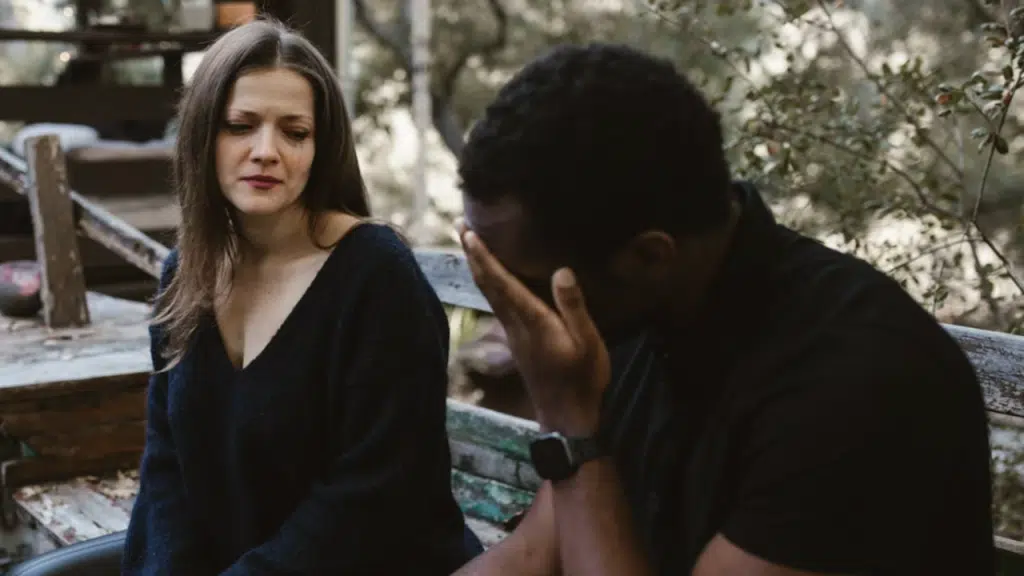
Many small conflicts aren’t about the present moment at all—they’re connected to unresolved emotional wounds. A tone of voice might echo past criticism. A forgotten task may reopen feelings of neglect. When old pain gets activated, the reaction feels intense and confusing. Awareness matters here. Ask yourself, “What does this remind me of?” before reacting.
4. They Happen When Emotional Bandwidth Is Low

Stress shrinks patience. When couples are exhausted, overwhelmed, or burned out, even trivial issues feel unbearable. Small conflicts grow simply because there’s no emotional buffer left. This is why arguments often flare during busy seasons, not calm ones. The solution isn’t perfect communication—it’s rest, timing, and compassion for each other’s limits.
5. They Become Symbols of Bigger Problems

A fight about dishes is rarely about dishes. Over time, small conflicts start symbolizing deeper issues like imbalance, lack of teamwork, or feeling unappreciated. Once something becomes symbolic, emotions escalate fast. Naming the real issue beneath the surface can defuse tension quickly. Ask, “What does this represent for me?”
6. They Accumulate Quietly

Unaddressed conflicts don’t disappear—they stack. Each ignored irritation adds emotional weight to the next disagreement. Eventually, one small moment tips the scale. This is why reactions seem “out of proportion.” Regular emotional check-ins help release pressure before it builds into something explosive.
7. They Erode Emotional Safety

When small conflicts aren’t handled well, partners become guarded. People stop sharing honestly to avoid tension. That silence creates distance, and distance fuels misunderstanding. Emotional safety requires knowing disagreements won’t lead to dismissal or defensiveness. Responding with curiosity instead of instant rebuttal keeps conflicts contained.
8. They Invite Mind-Reading

Small conflicts grow when partners assume intent instead of asking questions. “You did that because you don’t care” is far more damaging than “Help me understand.” Mind-reading fills gaps with negative stories. These stories feel true but often aren’t. Replace assumptions with clarification before emotions take over.
9. They Activate Power Struggles

Minor disagreements can turn into battles for control. Who’s right? Who gives in? Who wins? Once conflict becomes about dominance instead of resolution, it escalates quickly. Healthy marriages prioritize understanding over victory. Letting go of the need to win keeps small conflicts small.
10. They Touch Identity and Self-Worth

Some conflicts hit deeper because they challenge how someone sees themselves. Criticism can feel like a character attack, even if it wasn’t meant that way. When identity is threatened, defensiveness rises fast. Framing concerns around behaviors—not character—prevents unnecessary escalation.
11. They Resurface Past Unresolved Arguments

Many couples unknowingly fight the same argument in different forms. The topic changes, but the emotional issue stays the same. This makes each new conflict feel heavier than it should. Identifying recurring themes helps break the cycle. Ask, “Have we fought this before in disguise?”
12. They Escalate Through Poor Timing
Even valid concerns grow when raised at the wrong moment. Bringing up issues during stress, fatigue, or conflict multiplies their impact. Timing can determine whether a conflict stays small or explodes. Choosing calm moments for serious conversations shows emotional intelligence and respect.
13. They Get Fueled by Defensiveness

Defensiveness turns small feedback into a major conflict. Instead of listening, partners rush to protect themselves. This shuts down resolution and amplifies tension. Practicing simple validation—“I see why that upset you”—can instantly lower emotional intensity.
14. They Create a “Me vs. You” Dynamic

Small conflicts grow when partners stop seeing themselves as a team. Once it feels like opposition, cooperation disappears. Problems become personal rather than shared. Reframing conflict as “us versus the issue” helps keep disagreements constructive and contained.
15. They Are Influenced by Outside Stressors

Work pressure, family tension, money worries—external stress often sneaks into marriage through small conflicts. The argument isn’t about the issue at hand, but it gets dumped there. Recognizing external stress reduces misplaced blame. Sometimes the best solution is empathy, not debate.
16. They Highlight Unequal Emotional Labor

Small conflicts often expose imbalances in emotional or mental workload. Feeling like the “default manager” of the relationship breeds resentment. What starts as a minor complaint grows into a fairness issue. Open conversations about responsibility and support prevent long-term buildup.
17. They Go Unrepaired

It’s not conflict that damages marriages—it’s lack of repair. Small conflicts linger when there’s no apology, reassurance, or reconnection. Over time, these unresolved moments harden into distance. Learning to repair quickly keeps emotional accounts balanced.
18. They Change How Partners See Each Other

When small conflicts pile up, perception shifts. Partners start viewing each other through a negative lens. Innocent actions get misinterpreted. This is when even tiny issues feel intolerable. Resetting the lens through appreciation and positive reinforcement can reverse the damage.








Ask Me Anything