
You don’t wake up thinking your emotions don’t matter. It’s something you learn over time. You know it from dates that go quiet, relationships that dismiss your feelings, and conversations where you are expected to stay calm no matter what. As a man in your 30s, 40s, or 50s, you are often told to be emotionally available while also being emotionally invisible. That contradiction hits hard in dating.
When You Open Up and the Conversation Immediately Shifts

You finally share something real about your past or your fears. Instead of curiosity, the focus quickly shifts elsewhere. You notice your words hang in the air without landing. It makes you question whether you shared too much. Over time, you start editing yourself before you even speak. Dating starts to feel performative instead of honest. You want a connection, not a topic change. That moment teaches you that silence feels safer than vulnerability.
When You’re Expected to Be Emotionally Strong All the Time
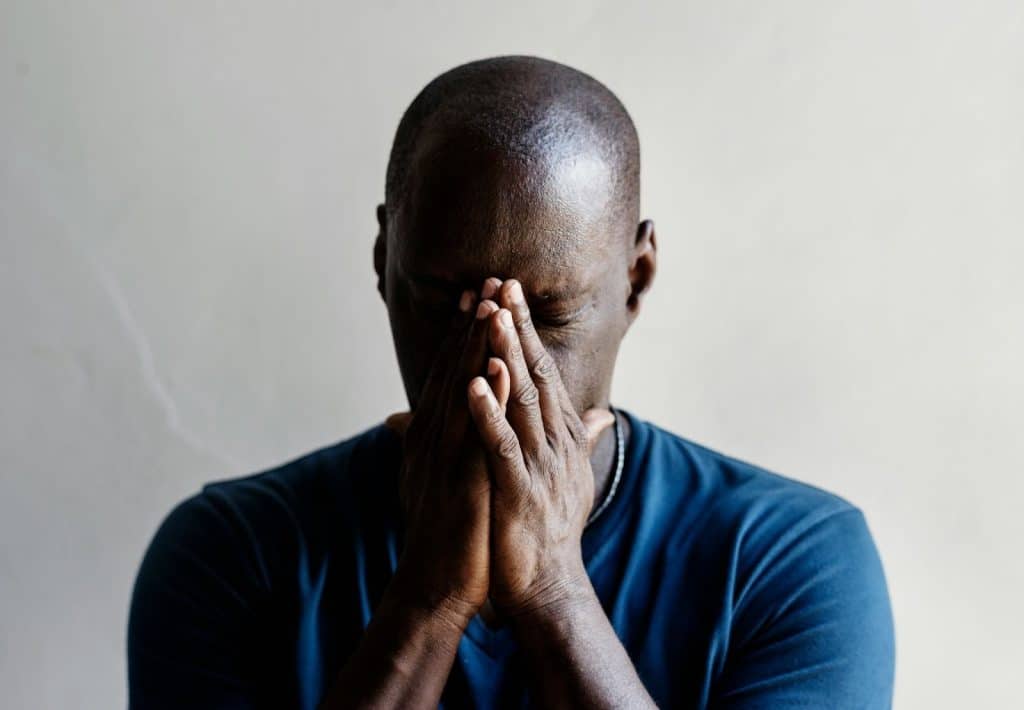
You are allowed to feel things, but only the acceptable ones. Sadness is tolerated briefly, but frustration or confusion feels unwelcome. You sense pressure to stay grounded and composed, no matter what is happening. Dating becomes another place where you have to manage everyone else’s comfort. You rarely get asked who supports you. Strength turns into a mask instead of a choice. You start wondering if anyone wants the real you.
When Your Past Pain Is Minimized Because You’re a Man

You talk about heartbreak, divorce, or betrayal. The response feels casual or dismissive. You hear phrases that imply you should be over it by now. Your pain is treated like a speed bump instead of a wound. That invalidation sticks with you longer than the breakup itself. It makes you second-guess your emotional timeline. Healing feels lonely when no one takes your scars seriously.
When You’re Told to Communicate But Not Too Much

You are encouraged to share your feelings. The moment you do, it suddenly feels like too much. You sense discomfort in the room. You get subtle feedback to dial it back. Dating advice says women want emotionally expressive men, but reality feels more complicated. You start filtering what you feel safe saying. Authenticity becomes a risk calculation. That tension creates emotional exhaustion.
When Your Stress Is Treated Like an Inconvenience

You talk about work pressure, finances, or life responsibilities. Instead of empathy, you feel impatience. Your stress is framed as negativity. You are expected to compartmentalize and keep things light. Dating becomes another performance instead of a partnership. You stop sharing the hard parts of your day. That emotional isolation builds quietly. You wonder who actually wants to hear the truth.
When You’re the Emotional Support but Rarely Supported

You show up consistently and listen deeply. You hold space during their tough moments. When it’s your turn, the energy shifts. Support feels one-sided. You tell yourself this is just how men show love. Over time, resentment creeps in. Emotional labor becomes invisible work. You want reciprocity, not praise for being strong.
When Your Anger Is Immediately Judged
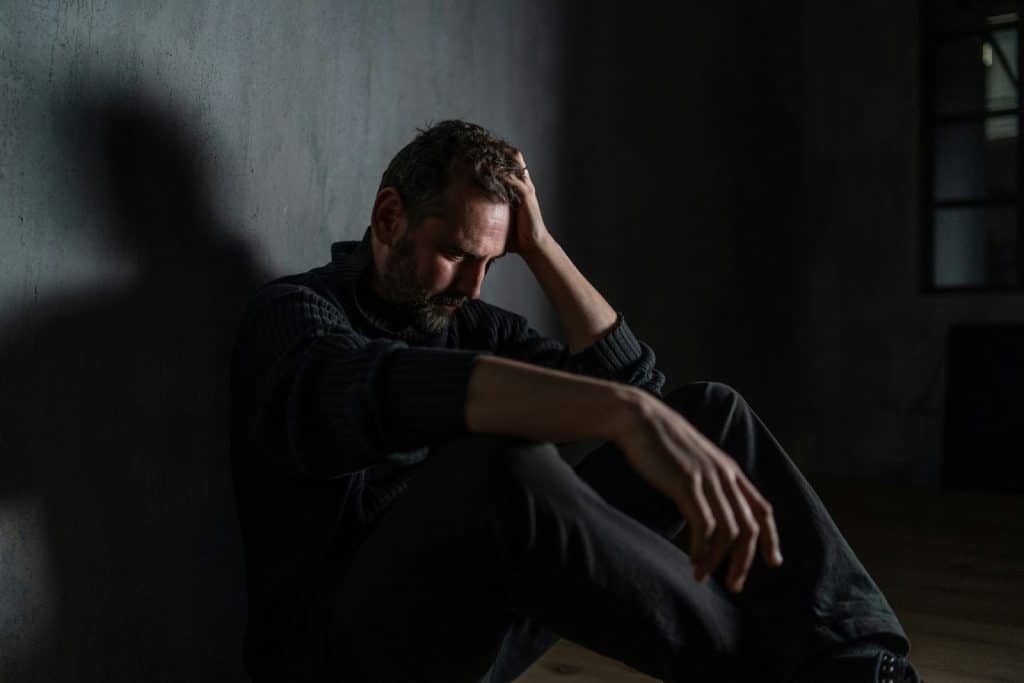
You express frustration without yelling or aggression. Still, it feels labeled as dangerous or immature. You sense people tense up. That reaction makes you suppress valid emotions. You are not allowed to be angry and reasonable at the same time. Dating starts to feel like walking on eggshells. You lose trust in emotional safety. Suppression replaces expression.
When You Are Expected to Lead Emotionally Without Guidance

You are told to take initiative in communication and connection. There is no roadmap or feedback. When things go wrong, responsibility falls on you. Emotional leadership becomes a guessing game. You want clarity, not mind-reading. Dating feels like a test you were never taught to pass. That pressure drains confidence. You start questioning your emotional competence.
When Your Emotional Needs Are Labeled as Neediness
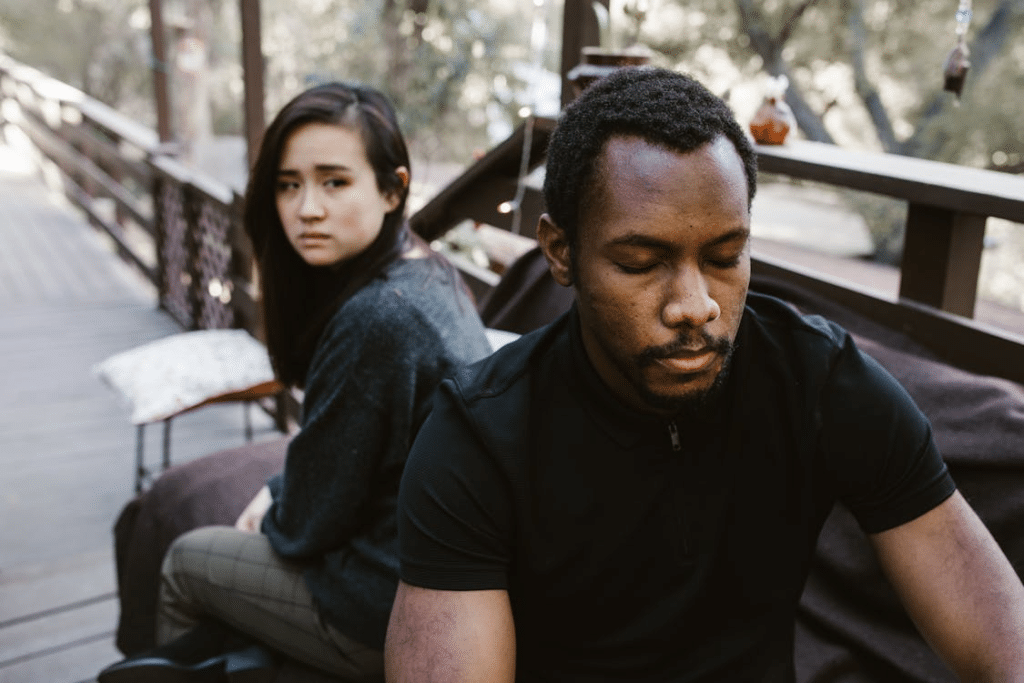
You express a desire for reassurance or consistency. It gets framed as insecurity. You feel embarrassed for wanting a basic emotional connection. Over time, you stop asking for what you need. Independence becomes emotional isolation. Dating feels transactional instead of supportive. You wonder if wanting closeness is a flaw. That belief chips away at self-worth.
When Silence Is Expected After Conflict

You want to talk things through. The other person wants space without a timeline. You are left alone with unresolved emotions. Closure feels delayed or denied. That silence triggers anxiety and self-doubt. You replay conversations in your head. Dating starts to feel unstable. You crave resolution, not avoidance.
When Your Emotional Growth Goes Unnoticed

You work on yourself intentionally. You communicate more effectively and respond with greater awareness. No one acknowledges the effort. Growth feels invisible. You start wondering why you even try. Dating advice emphasizes self-work, but validation is rare. You want to be seen for the progress you make. That lack of recognition feels deflating. It makes consistency harder.
When Vulnerability Is Used Against You Later
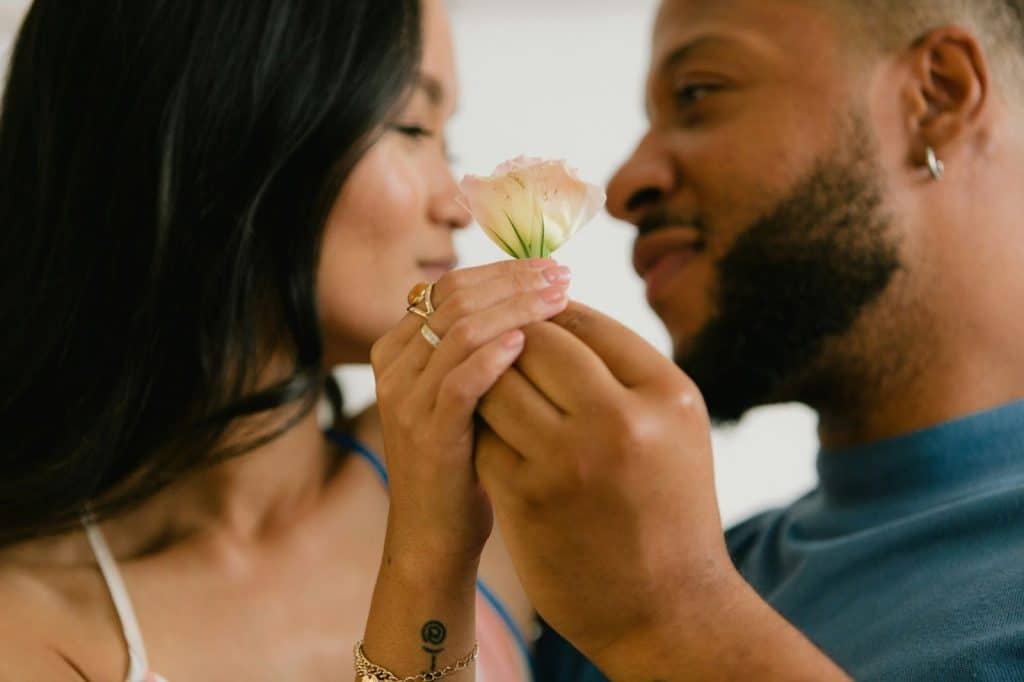
You share something personal in a moment of trust. Later, it comes back as criticism or leverage. That breach hits deep. Trust feels risky after that. You become guarded in future connections. Dating feels less safe and more strategic. You protect yourself by sharing less. Emotional walls go up quietly.
When Your Emotional Boundaries Are Ignored

You say you need time, space, or clarity. It gets brushed aside or challenged. Your limits feel negotiable to others. You start questioning whether your boundaries are valid. Dating becomes draining instead of energizing. You feel pressure to overextend emotionally. Resentment builds when your needs are sidelined. Respect starts to feel conditional.
When You’re Expected to Heal Alone
You are told to do the work on yourself. Support is implied but rarely present. Healing becomes a solo mission. You feel strong but also tired. Dating feels like you must arrive fully healed to be chosen. You are human, not a finished product. Growth feels ongoing, not linear. You want companionship, not perfection.
When You Realize You Have Been Carrying This Quietly for Years

There is no single moment that causes it. It builds slowly through experiences and silence. You look back and see a pattern. Emotional neglect feels normalized. Dating mirrors the same dynamic repeatedly. Awareness hits hard but also brings relief. Naming it gives you power. You realize your emotions do matter, starting with you.








Ask Me Anything