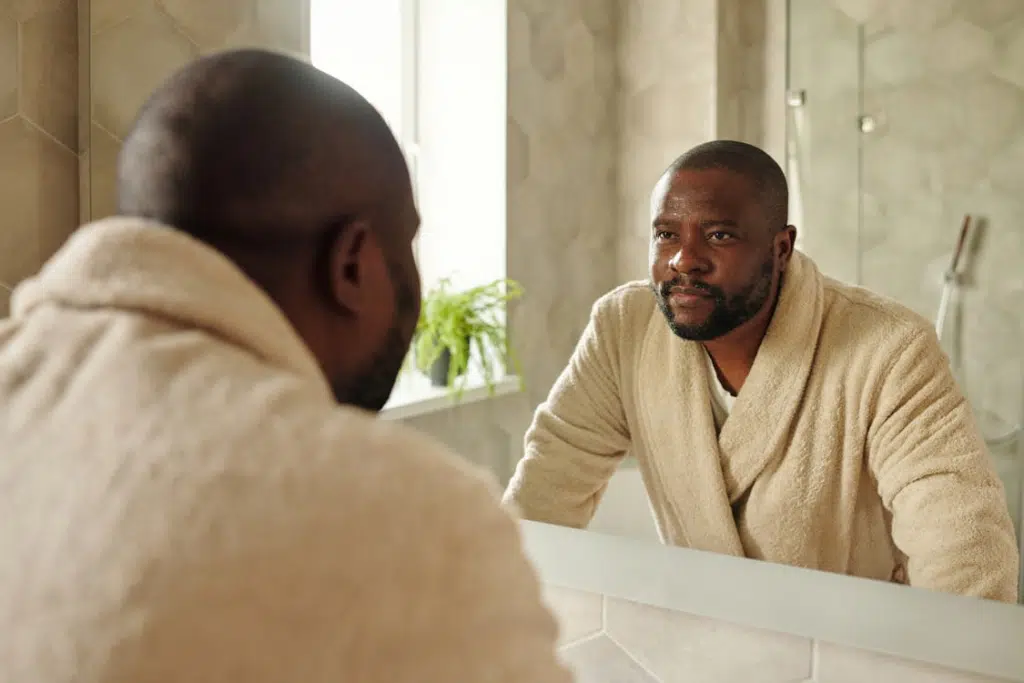
Dating starts going well, and that is usually when the anxiety kicks in. You finally meet someone you like, the vibe is solid, and suddenly you feel the urge to slow down or disappear. If you are divorced, this reaction is not random or weak. It is learned behavior shaped by loss, disappointment, and survival mode. You are not scared of love itself. You are scared of repeating a version of your past that cost you years, money, or your sense of self.
You Start Overthinking the Stakes

When dating starts going well, your brain shifts into long game mode. You stop enjoying the moment and begin projecting years ahead. You think about commitment, finances, blending lives, and what could go wrong. That mental spiral kills the fun fast. Instead of staying present, you pressure yourself to make the right decision immediately. Pulling away feels safer than making a move you might regret. You tell yourself you just need space, but really, you are overwhelmed. Overthinking becomes your exit strategy.
You Fear Losing Yourself Again

Divorce often taught you that love can slowly erase your identity. You remember compromising too much, staying quiet, or shrinking to keep the peace. When dating feels serious, that fear resurfaces. You worry that closeness means losing control of your time and priorities. Even healthy interest can trigger alarms. Pulling away becomes a way to protect your independence. You want a connection without suffocation. Distance feels like freedom.
You Don’t Fully Trust Your Judgment Yet

You once believed you picked the right partner. That belief did not age well. After a divorce, self-trust takes a hit. When dating goes well, you question your instincts instead of enjoying them. You wonder if you are missing red flags again. That doubt creates emotional hesitation. Pulling away gives you time to analyze instead of feel. It feels responsible, even if it creates confusion.
You’re Afraid of Getting Comfortable Too Fast
Comfort used to mean safety. Now it reminds you of how things slowly fell apart. When dating starts to feel easy, your guard goes up. You associate comfort with complacency and eventual pain. You might unconsciously sabotage momentum to stay alert. Pulling away keeps you sharp and in control. It is a defense mechanism disguised as caution. You tell yourself you are pacing things, but fear is driving.
You Still Carry Emotional Baggage You Haven’t Unpacked

Divorce does not end emotional residue overnight. You may think you are ready, but certain triggers say otherwise. Deep conversations, vulnerability, or affection can stir unresolved pain. Instead of processing it, you retreat. Pulling away feels easier than opening old wounds. You convince yourself the timing is off. In reality, the emotions are just loud. Avoidance becomes the short-term fix.
You Fear Becoming Financially or Emotionally Trapped

Divorce often comes with financial loss and emotional exhaustion. When dating progresses, you remember how expensive and draining commitment once became. You worry about repeating that cycle. Even subtle expectations can feel heavy. Pulling away gives you a sense of control over risk. You want love, but not at the cost of stability. That tension creates distance.
You’re Used to Being Alone Now

Single life taught you routines that work for you. You enjoy your space, schedule, and autonomy. When dating starts going well, it threatens that balance. Even positive disruption can feel uncomfortable. Pulling away helps you preserve your rhythm. You are not rejecting the person. You are protecting a lifestyle you worked hard to rebuild. Adjustment takes time.
You Fear Disappointing Someone Again

Divorce can leave you with guilt, even if it was necessary. You remember broken promises and unmet expectations. When someone new gets excited about you, pressure builds. You fear letting them down in the future. Pulling away reduces expectations early. It feels kinder than risking another failure. You choose distance over potential disappointment.
You Confuse Peace With Boredom

After a turbulent marriage, calm can feel unfamiliar. When dating is stable and drama-free, you question the chemistry. You might mistake emotional safety for lack of spark. That confusion makes you restless. Pulling away creates emotional intensity you recognize. You are not bored with the person. You are adjusting to a healthier dynamic.
You’re Afraid of Being Needed Too Much

Being needed once may have turned into being drained. When someone shows consistent interest, it can feel overwhelming. You worry about becoming someone’s emotional anchor again. Pulling away rebalances the dynamic in your mind. You want partnership, not dependency. Distance helps you feel less responsible. That fear drives your retreat.
You Haven’t Redefined What Commitment Means to You

Commitment used to mean permanence and sacrifice. After a divorce, that definition no longer fits. When dating moves forward, you feel unclear about what you want. That uncertainty creates hesitation. Pulling away buys you time to figure it out. You are not against commitment. You just need it to look different this time. Clarity is still forming.
You’re Testing If They Will Leave First

Subconsciously, you might pull away to see what happens. If they chase, you feel wanted. If they walk away, it confirms your fears. This test gives you information but costs a connection. It is a protective habit learned from loss. Pulling away puts you in control of the outcome. Unfortunately, it can push away good people. Awareness is the first step out.
You Feel Unworthy of Something Good

Divorce can quietly damage self-worth. Even if you do not say it out loud, you may feel undeserving of happiness. When dating goes well, that belief surfaces. You question why someone would choose you. Pulling away aligns with that inner narrative. Distance feels familiar and safe. Accepting good things takes practice.
You’re Afraid of Vulnerability More Than Rejection
Rejection hurts, but vulnerability cuts deeper. Letting someone see the real you feels risky after divorce. When dating deepens, emotional exposure increases. Pulling away reduces that risk. You keep things light and controlled. It is not about disinterest. It is about self-protection.
You Mistake Caution for Emotional Maturity

You tell yourself you are being smart and intentional. Sometimes that is true. Other times, it is fear dressed up as wisdom. Pulling away feels like growth because it avoids chaos. But growth also requires courage. Knowing the difference matters. Awareness helps you choose connections intentionally. Not every retreat is progress.








Ask Me Anything