
A quiet life doesn’t mean a small one. It means fewer unnecessary fires, less noise you didn’t ask for, and more energy for the things that actually matter. Most people who look “boring” from the outside are quietly winning—financially steadier, emotionally calmer, and far less reactive to chaos.
A peaceful life is rarely accidental. It’s built through small, consistent principles that protect your time, attention, and nervous system. These are not dramatic rules. They’re practical choices, repeated daily, that compound into a life that feels grounded, clear, and deeply satisfying.
1. You Stop Explaining Yourself to Everyone

A quiet life begins when you realize not everyone deserves a front-row seat to your decisions. Over-explaining drains energy and invites opinions you didn’t ask for. Calm people make choices, communicate them clearly, and move on. This doesn’t mean being secretive—it means being selective. When you explain less, you argue less, defend less, and stress less. Try answering with simple statements instead of long justifications, and notice how much mental space you reclaim.
2. You Design Your Days Instead of Reacting to Them

Peaceful lives are planned, not improvised under pressure. When your day has a basic structure, fewer things feel urgent or overwhelming. Quiet people decide in advance when they work, rest, check messages, and disconnect. This reduces decision fatigue and emotional whiplash. Start by setting three non-negotiables for your day—one responsibility, one health habit, and one moment of rest. Consistency beats intensity every time.
3. You Choose Fewer Relationships, But Better Ones

A calm life doesn’t come from having many connections—it comes from having aligned ones. Maintaining shallow or draining relationships creates constant emotional noise. Quiet people invest deeply in a small circle where they can be themselves. They let go of relationships that require constant fixing or performing. If a connection leaves you tense more often than supported, it’s costing you peace. Quality relationships create calm, not confusion.
4. You Don’t Confuse Busy With Meaningful

Many people stay busy to avoid thinking. A quiet life asks you to do the opposite. Meaningful work often looks slower and less impressive from the outside, but it creates long-term fulfillment. Calm people ask, “Does this actually matter?” before saying yes. They leave white space in their schedule on purpose. Try removing one unnecessary commitment this week and see how your stress level changes.
5. You Learn to Be Alone Without Feeling Lonely

Comfort with solitude is a cornerstone of peace. When you can sit with yourself, you stop chasing distractions and validation. Quiet people use alone time to think, reset, and reconnect with their values. This makes their social time richer, not emptier. Start with short periods—walks without headphones or mornings without scrolling. The ability to enjoy your own company is emotional independence.
6. You Lower the Volume on Constant Input

News cycles, social media, and endless opinions create background anxiety. A quiet life filters information instead of consuming everything. Calm people choose when and how much they engage with the world’s noise. They’re informed, not overwhelmed. Try limiting news and social apps to specific times of day. Mental clarity often returns faster than you expect.
7. You Say No Without Guilt

Every yes costs something. Quiet people understand that protecting their energy is not selfish—it’s necessary. They decline invitations, requests, and expectations that don’t align with their priorities. Guilt fades when you realize you’re allowed to choose your pace. Practice saying no politely but firmly, without adding apologies. Peace grows each time you honor your limits.
8. You Stop Trying to Win Every Conversation

Not every misunderstanding needs correction. Not every opinion needs a rebuttal. Calm people let go of the need to be right all the time. They choose peace over performance. This doesn’t mean silence—it means discernment. Ask yourself if speaking will improve the situation or just inflate it. Often, quiet confidence says more than words ever could.
9. You Build Financial Margins, Not Just Income

Money stress is one of the loudest stressors in life. A quiet life focuses on stability, not status. Calm people prioritize savings, low debt, and simple systems over flashy spending. Financial margins create emotional breathing room. Start small—automate savings, track expenses honestly, and live slightly below your means. Peace often follows predictability.
10. You Keep Promises to Yourself

Self-trust is deeply calming. When you do what you say you’ll do, your mind stops second-guessing itself. Quiet people make fewer promises—but they keep them. This applies to sleep, exercise, boundaries, and rest. Start with small commitments you can consistently honor. Each kept promise reduces internal tension and builds quiet confidence.
11. You Accept That Some Seasons Are Slower

Not every phase of life is meant for acceleration. Calm people don’t panic when progress feels slow. They understand that rest, healing, and recalibration are productive in their own way. Fighting the season you’re in creates unnecessary stress. Instead, ask what this phase is teaching you. Patience often leads to better decisions later.
12. You Detach From Other People’s Timelines

Comparison creates urgency where none is needed. A quiet life rejects the pressure to keep up. Calm people move at a pace that fits their values, not someone else’s highlight reel. They know that delayed success is not failure. Limit comparison triggers and focus on your own metrics of progress. Peace grows when you stop racing imaginary competitors.
13. You Regulate Your Emotions Before Responding

Reactivity fuels chaos. Quiet people pause before reacting, especially when emotions run high. They’ve learned that calm responses prevent long-term problems. This doesn’t mean suppressing feelings—it means processing them first. Try creating a short pause between stimulus and response, even a few deep breaths. Emotional regulation is a powerful form of self-respect.
14. You Keep Your Environment Simple and Orderly
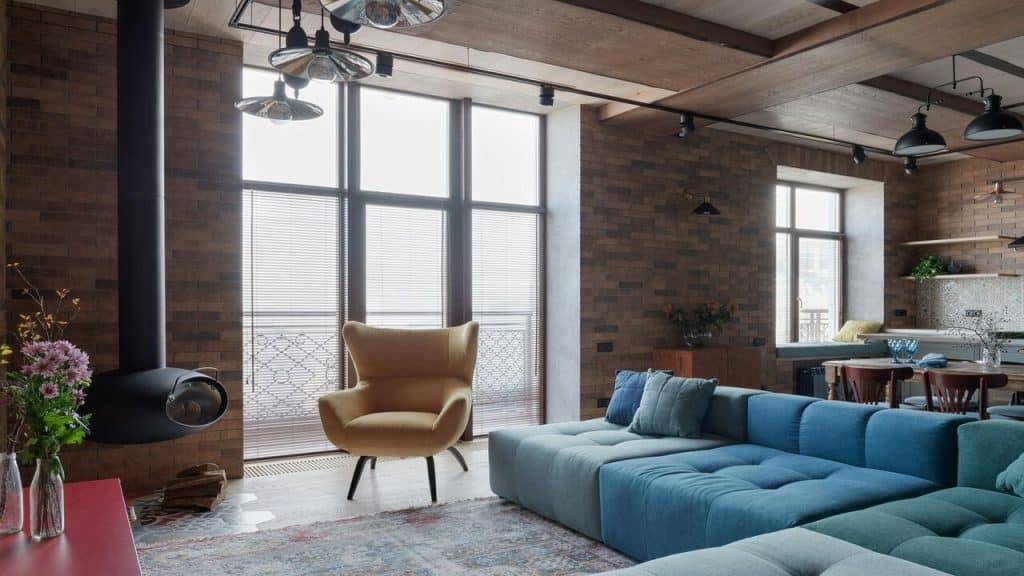
Clutter creates mental noise. A calm life is supported by spaces that feel manageable and intentional. Quiet people regularly edit their surroundings instead of letting chaos accumulate. You don’t need perfection—just enough order to think clearly. Start with one drawer, one surface, or one digital folder. Small physical calm often leads to emotional calm.
15. You Don’t Overshare Your Struggles

Not every problem needs an audience. Quiet people process challenges privately or with trusted individuals. Oversharing can keep you stuck in the problem instead of moving toward solutions. This doesn’t mean isolation—it means discernment. Choose confidants wisely and speak with intention. Sometimes, silence is part of healing.
16. You Let Go of the Need to Impress

A peaceful life isn’t performative. Calm people stop trying to look successful and focus on feeling stable. They dress, speak, and live in ways that feel authentic rather than attention-seeking. This reduces pressure and increases self-alignment. Ask yourself if your choices are for you or for applause. Freedom often begins when the performance ends.
17. You Measure Success by How Calm You Feel

At the end of the day, a quiet life prioritizes inner steadiness over external markers. Calm people ask, “Does my life feel sustainable?” rather than “Does it look impressive?” They adjust when stress outweighs satisfaction. Success becomes about peace, health, and meaning. When calm becomes the metric, your entire life naturally simplifies.








Ask Me Anything