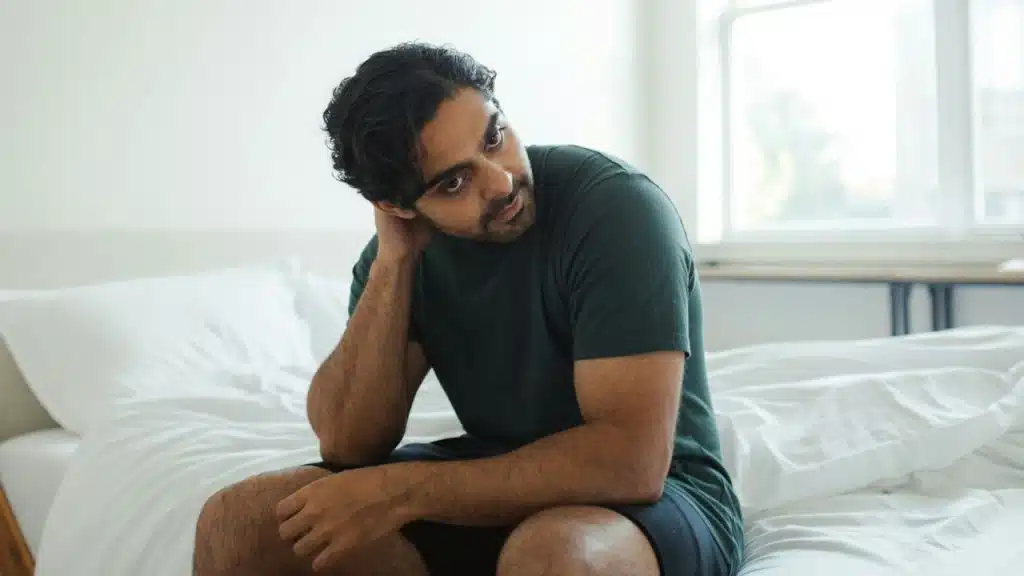
A dead sex life usually doesn’t arrive with flashing warning lights. It fades quietly. One skipped night turns into weeks, then months, and suddenly it feels awkward to even talk about it. Most men assume the problem is obvious—stress, age, or “that’s just marriage.” But in reality, it’s usually a pile-up of smaller, less obvious issues working together. If you’ve been wondering how things got this way, these hidden reasons explain more than most people realize.
Unresolved resentment you never talked through.

Resentment doesn’t always show up as anger. Sometimes it just sits there quietly, draining interest and warmth. Small issues you brushed off years ago can still affect how close you feel now. When emotional tension builds, physical desire usually takes a hit too. You don’t need constant fights for this to happen. Silence can do the job just as well.
Your stress never actually turns off.

Work stress doesn’t stay at the office. It follows you home, into bed, and into your head. When your nervous system is always on edge, sex drops way down the priority list. Desire needs mental space, not constant pressure. If you’re always tired but wired, that’s not laziness—it’s overload.
Depression that looks like “just being tired.”

Depression doesn’t always mean feeling sad all day. For many men, it shows up as low energy, numbness, or losing interest in things that used to matter. Sex is often one of the first things to go. Because it feels gradual, it’s easy to miss. But when motivation disappears across the board, libido usually follows.
You don’t feel good about yourself anymore.

When confidence drops, desire often goes with it. Weight gain, aging, or feeling behind in life can quietly mess with how attractive you feel. That turns into hesitation, avoidance, or fear of rejection. Sex becomes stressful instead of natural. No one talks about this much, but it’s extremely common.
Adult content quietly changed the baseline.
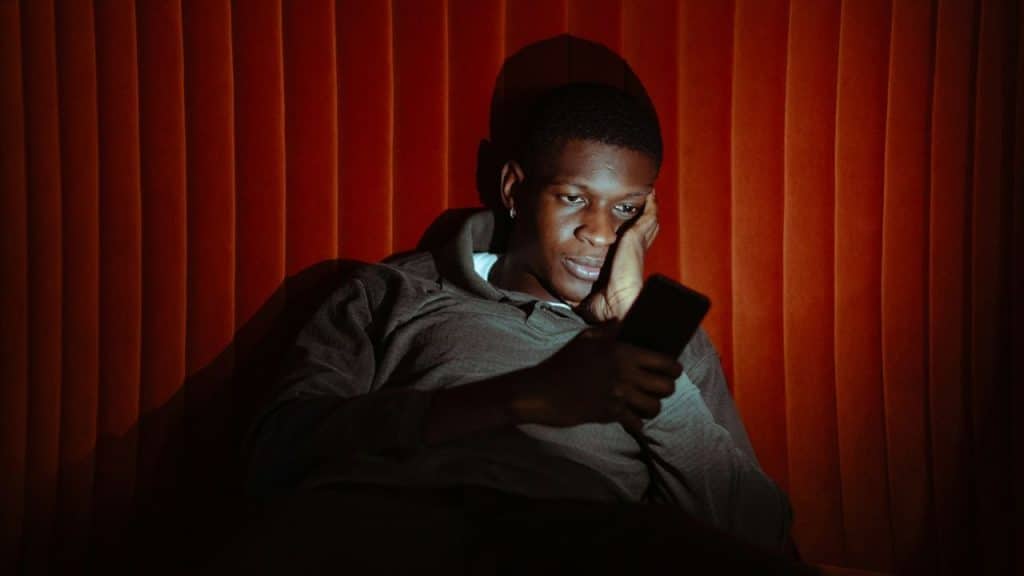
Adult media doesn’t kill desire overnight. It shifts expectations slowly. Real intimacy can start to feel less exciting by comparison, even if nothing is “wrong” with your partner. Over time, your brain learns a different kind of stimulation. That gap can make real sex feel like more effort than it should.
Everything feels predictable now.

Routine is great for schedules. It’s terrible for desire. When sex feels scripted, urgency fades. Familiarity can turn into autopilot without anyone meaning for it to happen. Desire usually needs novelty, not just availability.
Initiation became awkward or one-sided.

If one person always initiates—or never does—it creates pressure. Rejection stings, even when it’s unintentional. Over time, trying stops altogether. Sex doesn’t die from lack of attraction as often as it dies from fear of another no.
You’re together constantly but not actually close.

A woman looks upward with a frown while a man sits beside her with eyes closed.
Being physically present isn’t the same as feeling connected. Sharing space without meaningful interaction can create distance. When emotional closeness fades, physical closeness usually follows. Desire needs more than proximity.
Old arguments never really ended.

Some conflicts don’t get resolved. They just get buried. Judgment, criticism, or control slowly erode trust. When trust weakens, vulnerability disappears. Sex tends to go with it.
A health issue you’ve been ignoring.
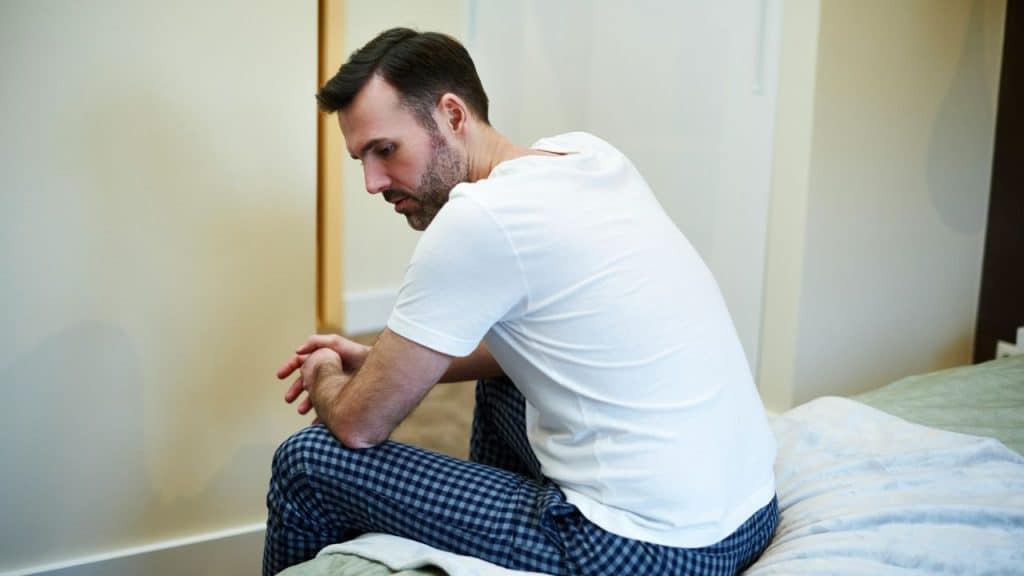
Low testosterone, chronic illness, or erectile issues don’t just affect performance. They affect confidence and desire too. Many men avoid getting checked because it feels uncomfortable. Unfortunately, avoidance usually makes things worse, not better.
Medications changed things without warning.

Some medications quietly lower libido. Blood pressure meds, antidepressants, and painkillers are common culprits. The change can feel personal, even when it’s chemical. If desire dropped after a prescription change, that’s worth paying attention to.
Your lifestyle drains more than it gives.

Poor sleep, little movement, and constant exhaustion add up. Desire needs energy. When your body runs on empty, sex feels like work. This isn’t about becoming a fitness model. It’s about basic physical capacity.
Sleep problems you normalized
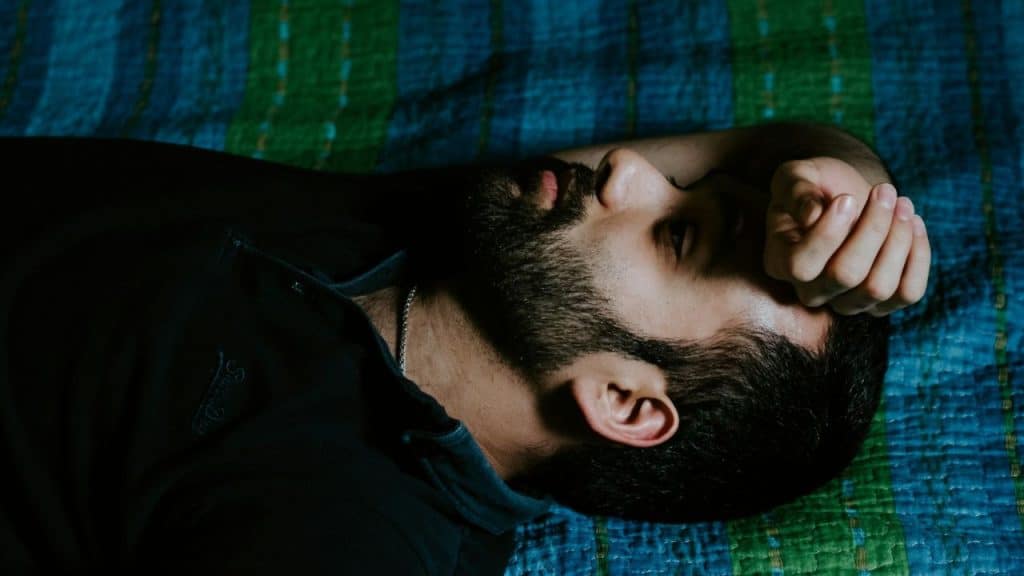
Snoring, sleep apnea, or short sleep wreck hormones. Testosterone drops fast without quality rest. Many men accept bad sleep as normal and never connect it to libido. The connection is stronger than most realize.
Alcohol became a nightly habit.

A drink here and there isn’t the issue. Regular heavy drinking is. Alcohol lowers testosterone and dulls arousal over time. It relaxes you short-term and sabotages you long-term. Not exactly a fair trade.
Hormonal changes you assumed were “just age”

Testosterone declines gradually, but sometimes it drops faster than expected. When it does, desire, mood, and energy all suffer. Aging doesn’t mean desire has to disappear. It just means paying attention matters more.
Negative thinking killed momentum.

Constant negative self-talk or criticism toward your partner shuts things down fast. Desire doesn’t survive in an environment of quiet resentment or self-doubt. Even subtle negativity changes how safe intimacy feels. Sex thrives where acceptance exists.
If your sex life feels dead, it’s rarely because attraction vanished overnight. It’s usually because multiple small issues piled up quietly. Understanding those reasons doesn’t fix everything instantly, but it does explain why this happens to so many men—and why it’s more reversible than it looks.








Ask Me Anything