
Most people wake up and just go through their days without any financial planning and wonder why they’re still broke. And honestly, most people never talk about the stuff that truly drains their money, even though everyone deals with it.
The good news? Once you spot these habits, you can turn the ship around without blowing up your whole life. Here are some of the things we’re all guilty of (finance-wise) that should definitely change for the better.
1. Forgetting That Daily Money Habits Shape Your Financial Future

A lot of people shrug off small spending because it feels harmless. Grabbing a snack here, tapping for a ride there, it all feels like nothing in the moment. But these everyday moves shape where your money ends up more than any big purchase ever could.
If you sit down later and look through your account, those “quick buys” form a long trail. And it’s usually that trail that pushes your bank balance lower than expected. Once you notice this, you start to think, Okay, maybe these little choices matter way more than I thought.
2. Treating Bonuses And Refunds Like “Fun” Money
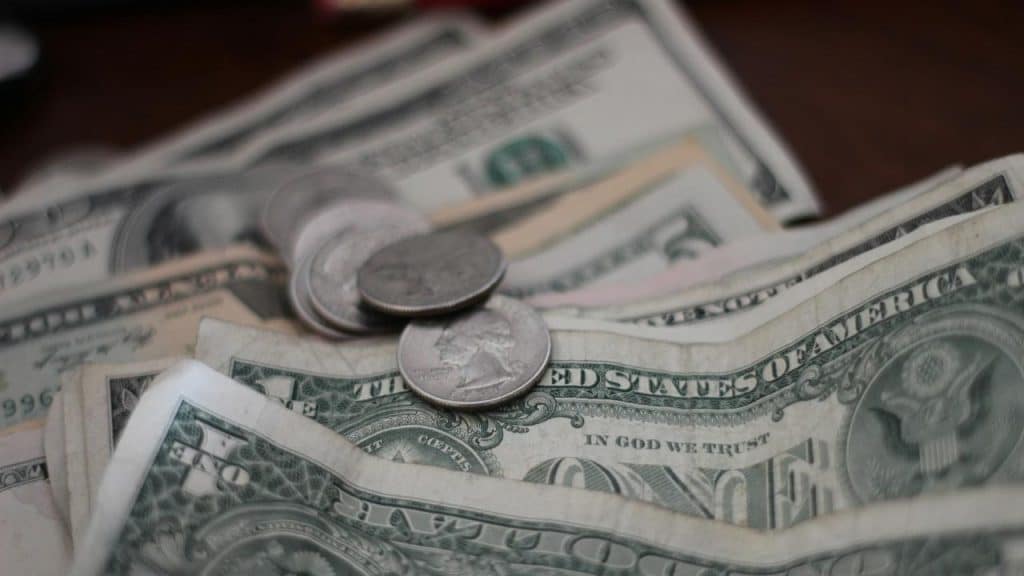
Extra cash hits the account, and people feel excited. A bonus or a refund feels like free money, even though it’s still money that could help with real financial goals. So it slides away fast, whether it goes toward new shoes, a fancy meal, or random stuff that looks nice for a moment.
When you treat that extra cash like part of your real income, things change. You get ahead instead of chasing the same problems month after month. It feels way better to see that money helps your future instead of disappearing because it showed up at the wrong time.
3. Believing Shortcuts To Wealth Actually Work

People love hearing about magical tricks to get rich fast. Someone online swears they did it in four steps, or another person claims they turned a few dollars into a fortune. Those stories spark excitement because they sound easy.
In reality, these shortcuts end up draining more money than they bring in. You start chasing one method, then another, then another, thinking the next one will work. Meanwhile, your savings slide downhill. Real progress usually comes from steady choices, even if they feel boring.
4. Putting Off Long-Term Money Planning Altogether
Some people avoid planning because the future feels far away. They say, “I’ll get to it eventually,” then push it back again. Without a plan, money slips through the cracks before they even notice.
But when you finally sit down and sketch out where you want your money to go, everything feels clearer. All you need is a simple plan that points you in the right direction. Once you do that, future-you feels grateful instead of stressed.
5. Counting On Future Paychecks To Solve Today’s Mess
A lot of people think, Next month’s paycheck will clean this up. Before they know it, they start living as if future income will fix everything. That mindset always leads to more problems, not fewer.
When you start handling today’s situation with today’s money, things finally move forward. You feel more grounded. You stop passing problems down the line and start solving them where you stand.
6. Pretending Debt Isn’t A Problem And Hoping It Fades Away

Debt doesn’t go away because someone ignores it. Many adults try to push it out of their mind, thinking they’ll deal with it when things settle down. Meanwhile, interest keeps growing behind the scenes.
Once you face the numbers and decide how to knock the balance down bit by bit, you feel lighter right away. It’s like clearing a tough job from your list. The sooner you face it, the sooner your money stops disappearing into payments you didn’t plan for.
7. Trying To Afford A Lifestyle Your Income Can’t Support

People fall into this trap all the time. A friend upgrades, a coworker gets a new toy, and suddenly you feel behind. So you start spending as if you earn more than you actually do.
When you stop trying to keep up with the world around you, life becomes far easier. You breathe easier when bills show up, and you stop chasing things that only look good from the outside. Real freedom starts when your lifestyle fits your income instead of an imagined version of it.
8. Convincing Yourself You’ll “Fix It Later”

Everyone tells themselves this at some point. “I’ll fix it next week.” “I’ll get more serious after this month.” It feels comforting, and it gives you a way out in the moment. But that delay piles up fast.
Once you decide to handle your money now instead of later, things shift immediately. Even one small step today beats ten big promises for tomorrow. Progress comes from action, not from waiting for the right moment.
9. Replacing Things Just Because Something Newer Exists

Modern life pushes people to upgrade everything. A newer phone drops, a slightly better gadget shows up, and suddenly the old one feels out of place even though it still works fine.
If you slow down and ask, Do I really need a new one?, Your bank account stays far healthier. When you stop letting newness tempt you every few months, you save hundreds without even trying.
10. Avoiding Budgets Because They Sound Miserable

A lot of adults skip budgeting because it sounds restrictive or boring. They imagine spreadsheets, rules, and stress. So they go without any guide at all and hope their income keeps up.
When you use a simple budget, nothing extreme, you gain more control than you expect. It’s not about limiting yourself. It’s about knowing what your money does so you don’t feel blindsided later. A little structure brings more freedom than chaos ever will.
11. Never Really Checking Where Your Paycheck Goes
Some people treat their bank account like a black box. Money enters, bills go out, and whatever remains turns into random spending. They never track where the rest ends up.
If you spend a few minutes looking over your statement each month, you spot where your money slips away. Once you see it, you can fix it. A paycheck only works for you when you actually know where it travels.
12. Relying On Credit Cards Instead Of Real Money

Credit cards feel easy. A swipe solves everything in the moment, and the bill comes later. People forget they’re spending money they haven’t truly parted with yet.
When you start using real money or at least treat the card like cash, you spend less without forcing yourself. Seeing the limit of what you have today changes every choice you make for the better.
13. Having No Backup Cash When Life Throws A Surprise

Life always brings an unexpected expense. A broken appliance, a car issue, a sudden bill, something happens sooner or later. Without backup cash, the problem hits way harder.
A small emergency stash makes those moments far less stressful. You don’t panic, and you don’t fall into debt out of desperation. Even a small cushion helps when the world gets messy.
14. Letting Little Everyday Purchases Quietly Drain Your Account

These small purchases hide everywhere. Coffee runs, snacks, quick online orders, small fees, all the stuff that rarely feels important. They slip through your fingers without much thought.
But when you finally total them up, you see how much they eat every month. Once you cut a few of them, your account instantly feels less squeezed. You don’t need to stop everything. You just need to pay attention long enough to choose wisely.
15. Spending Money You Haven’t Actually Been Paid Yet

People often spend money they expect to receive instead of money they already have. They picture that incoming paycheck as a safety net, then use it before it even arrives.
Living on what’s in your account today keeps you out of stress season. When your money catches up, you feel grounded instead of stuck in a loop of borrowing from your future self.








Ask Me Anything