
Ask any older couple how their marriage lasted for decades, and you’ll find a few surprising answers. They didn’t expect everything to feel easy or exciting. They walked in knowing life could hit hard, and they still chose to stay rooted next to the person they had promised their life to.
They also believed two people could build something strong through steady effort, even when days stretched thin. Instead of searching for an escape, they leaned into what they already had. And if you’ve ever wondered what kept so many of those marriages from falling apart, you’re about to see the things they relied on that helped them last year after year.
1. Giving Up Just Wasn’t an Option

When people said “I do,” they meant all of it. Not only the sunny parts. They walked in expecting storms (because life had plenty), and they didn’t think, Well, if this gets tough, I’ll bail. That thought barely crossed their mind. They told themselves, “We’re in this,” and they acted like it.
And when problems came up, they didn’t sprint toward the exit. They stayed put, talked, argued, cooled off, and tried again. That stubborn belief that they could get through anything together helped them stick around long enough to fix what was broken instead of starting over every time things got rough.
2. Giving Something Up Was Part of Love

Older couples knew that sometimes you stepped back so the other person could step forward. No one kept track of who did more. If someone needed support, you gave it, even if that meant you adjusted your plans or priorities for a while.
They understood that two people couldn’t always get their way at the same time. (Shocking, right?) But that willingness to let go of a bit of preference here and there made room for peace in the home.
3. Appreciation Was a Daily Habit

A simple “thank you” went a long way. People said it often, over dinner, before bed, after a long day. And they said it out loud, not as an afterthought in their head. Appreciation stayed alive because they didn’t assume the other person knew they were grateful.
They spoke up when something mattered. “I saw what you did today.” “That helped me more than you know.” Those words had power. (Still do.) And hearing them every day made two people feel like partners instead of roommates passing through the same house.
4. Private Matters Stayed Private

When something went wrong at home, earlier couples didn’t run to broadcast it everywhere. They believed marriage had its own walls for a reason. Complaints went to each other, not to neighbors, friends, or distant relatives waiting for drama.
That sense of privacy sparked trust. They knew their flaws wouldn’t be repeated at someone else’s dinner table. And because they dealt with issues directly instead of inviting an audience, they worked through problems faster and with fewer voices stirring the pot.
5. Being Faithful Was a Given

For many, faithfulness wasn’t a discussion. They simply lived it. No one said, “Well, maybe exceptions exist.” They believed loyalty was part of the deal. If you promised someone your life, you honored that promise in every space, whether your partner was there or not.
Because this expectation stood so strongly, many couples never doubted each other’s commitment. That confidence made it easier to face hard seasons without suspicion creeping in. Trust stayed central because they protected it, defended it, and acted like it mattered.
6. Kids Were Never Used as Leverage

People from earlier days knew kids didn’t ask for the tension between adults. So they made sure to shield them from it. Even when arguments came up, they didn’t turn their children into messengers, bargaining chips, or emotional referees.
They focused on raising kids with stability. If they had disagreements, they handled them privately. Kids saw teamwork instead of power plays. And that atmosphere made the home feel safer (even when life outside wasn’t).
7. They Knew Marriage Took Real Effort

No one pretended that marriage stayed strong by accident. They believed effort mattered, daily, not once in a while. They reminded each other that good things took time and attention.
They fixed issues instead of ignoring them. They asked questions instead of assuming the worst. They talked even when they felt tired. (Especially then.) When things slipped, they pulled them back into place instead of hoping problems would fix themselves.
8. Faith Was Part of Everyday Life

For many, faith shaped how they treated each other. They grew up hearing teachings about loyalty, patience, kindness, and forgiveness.Whether they prayed together or lived by certain values, their faith acted like a compass.
When emotions ran high, those principles nudged them toward grace instead of harshness. And because both people tried to live by the same foundation, they found common ground even in tense moments.
9. Family Expectations Added Accountability

Most families took marriage seriously, so couples felt a sense of responsibility to the people who witnessed their vows. When things got hard, they didn’t immediately think, Alright, time to start over. They thought about the promise they made in front of parents, siblings, and elders who believed in sticking together.
It reminded them that giving up would affect more than the two adults involved. And knowing others supported the marriage made it easier to keep working through tough seasons.
10. Each Person’s Role Was Valued

People didn’t argue over whose job mattered more. If someone worked outside the home and someone worked inside it, both roles were seen as essential. No one dismissed the other’s contributions.
Because of that mindset, couples felt like teammates instead of competitors. They respected each other’s responsibilities and noticed the effort behind them. That mutual value made marriage feel balanced even when responsibilities looked different.
11. They Didn’t Expect Everything to Happen Fast

Older couples understood that good things took time. They didn’t expect instant harmony or immediate solutions. They let things unfold, even slow improvements, because they trusted the process.
They knew patience mattered. If something felt off, they didn’t panic. They talked, adjusted, and moved forward step by step. Waiting didn’t scare them. They believed that time could heal nearly anything if both people stayed committed.
12. Money Was a Team Effort

Money talk never felt simple, but they faced it side by side instead of turning it into a battleground. Whether they had plenty or very little, they planned together and made decisions with both voices at the table.
They didn’t hide purchases or treat money like a competition. They understood that finances influenced the whole family, so they approached it with honesty. Even when resources ran low, their teamwork kept the stress from tearing them apart.
13. Egos Took a Back Seat

Someone had to go first when things got tense, and earlier couples didn’t let pride run the show. They apologized when needed, even if it stung a little. They didn’t push every argument to “prove a point.”
They cared more about peace in the home than winning a debate. Sometimes they said, “Alright, let’s reset,” even if they didn’t feel fully ready. That ability to step down softened rough moments and kept simple problems from turning into something far bigger.
14. They Meant Every Word of Their Promises
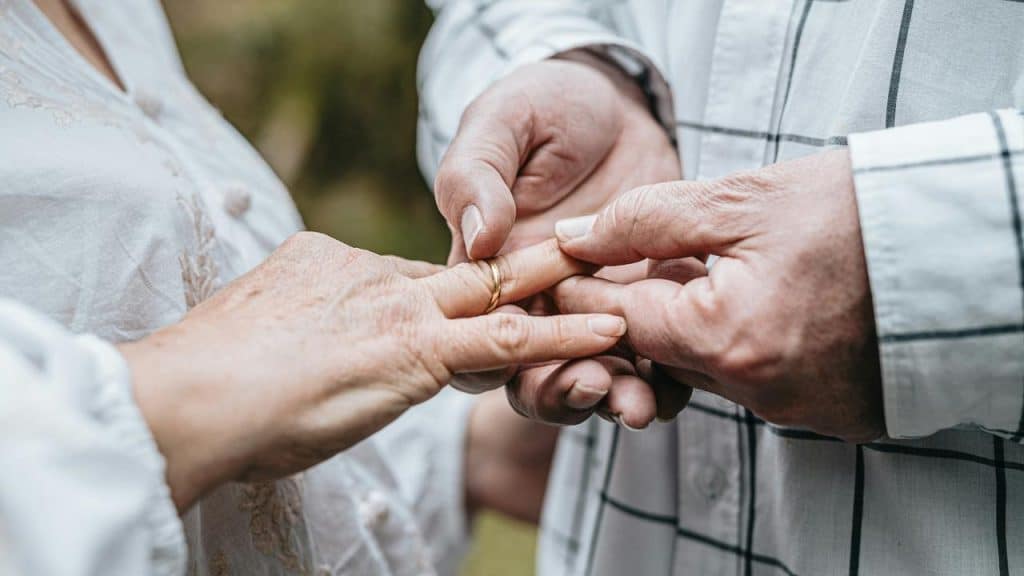
A promise held real weight. People didn’t toss words around lightly. If they vowed to stay by someone’s side through the highs and lows, they treated that promise like a lifelong responsibility.
Because those promises mattered so much, they didn’t give up on each other during rough patches. They reminded themselves of what they pledged and acted like those words still counted, every year, not only at the wedding.
15. Walking Away Wasn’t the Go-To Move

Before quitting became common, leaving wasn’t the first solution, it was the absolute last. Couples tried everything else first: talking, advice from elders, prayer, compromise, patience, even long pauses to cool down. They didn’t pack their bags at the first sign of trouble.
They walked through hardships side by side because they believed their bond deserved that chance. And once they made it through a rough season, they came out stronger, more loyal, and more aware that staying together created something worth protecting.








Ask Me Anything