
Emotional safety is the quiet foundation of a strong marriage. It’s not created by grand gestures or occasional apologies, but by consistent behaviors that signal reliability, respect, and emotional maturity. Many husbands believe love alone is enough, yet safety is built through actions that show a wife she won’t be dismissed, embarrassed, or emotionally abandoned.
When a woman feels emotionally safe, she relaxes, opens up, and invests more deeply in the relationship. These emotional acts may seem subtle, but they have an outsized impact on trust, intimacy, and long-term connection. Here are the behaviors that consistently make wives feel secure—and how husbands can practice them daily.
He Listens Without Rushing to Fix

A wife feels safe when she can speak freely without being interrupted or “repaired” mid-sentence. Listening isn’t about solving the issue immediately; it’s about understanding her emotional experience first. When a husband pauses his advice and simply stays present, it communicates respect. This kind of listening lowers defensiveness and builds trust. A practical rule: reflect what you heard before offering solutions. Ask, “Do you want advice, or do you just want me to listen?”
He Validates Her Feelings Even When He Disagrees
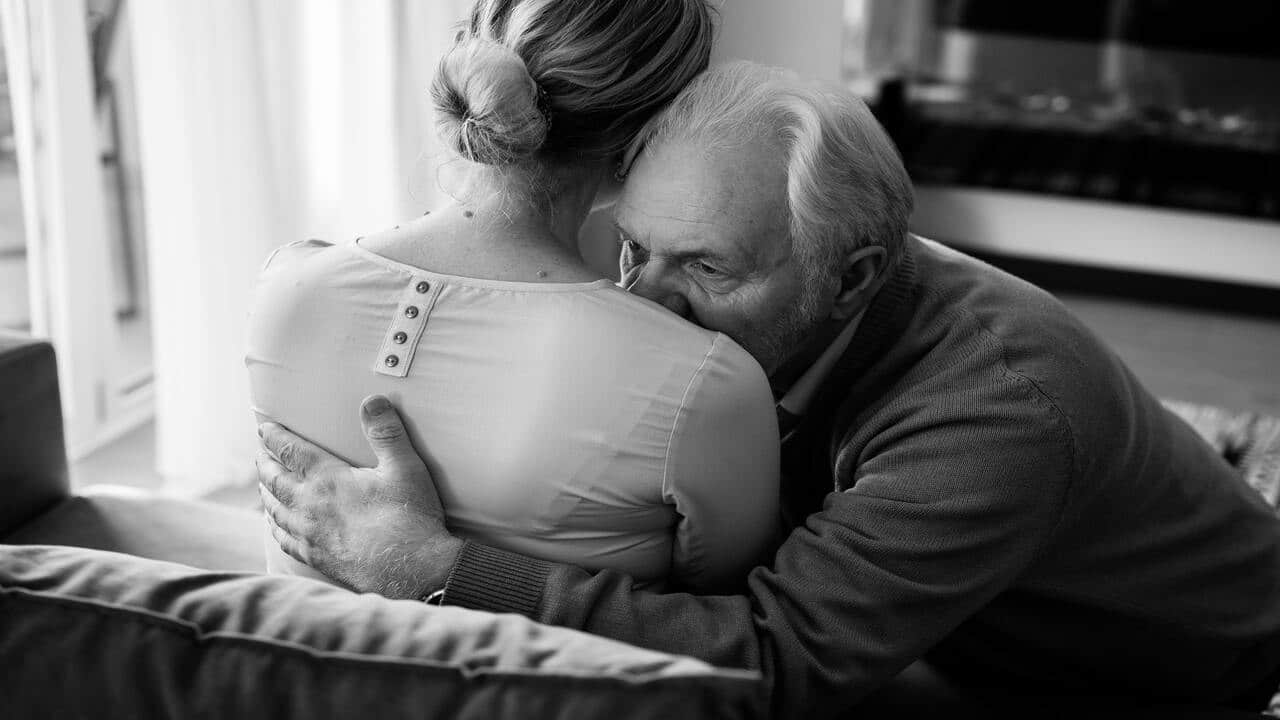
Emotional safety grows when a husband separates feelings from facts. A wife doesn’t need agreement to feel supported—she needs acknowledgment. Saying “That makes sense” or “I can see why you’d feel that way” goes a long way. Invalidating emotions creates emotional shutdown over time. Validation doesn’t weaken your position; it strengthens the relationship. Practice responding to emotions before responding to the issue.
He Keeps His Word Consistently

Trust erodes faster through small broken promises than big mistakes. When a husband follows through, it signals reliability and emotional adulthood. Even simple commitments—calling when he says he will, showing up on time—matter. Consistency creates a sense of predictability, which is key to emotional safety. If you can’t keep a promise, communicate early and clearly. Reliability builds security more than charm ever could.
He Regulates His Emotions During Conflict

A wife feels unsafe when disagreements escalate into yelling, stonewalling, or emotional withdrawal. Emotional regulation shows maturity and respect. Staying calm doesn’t mean suppressing feelings—it means expressing them without intimidation. When a husband can pause, breathe, and speak thoughtfully, conflict becomes constructive. A practical tool is taking short breaks before conversations escalate. Emotional control builds emotional safety.
He Takes Responsibility Without Deflecting

Defensiveness is one of the fastest trust killers in marriage. When a husband owns his mistakes without excuses, it reassures his wife that accountability is possible. Blame-shifting forces her into self-protection mode. A simple “You’re right, I messed up” can restore more trust than a long explanation. Responsibility shows strength, not weakness. Safe relationships are built on honest self-reflection.
He Shows Emotional Consistency

Hot-and-cold behavior keeps a wife emotionally on edge. Safety comes from knowing who she’s dealing with day to day. When a husband’s moods are predictable and not weaponized, it creates calm. Emotional consistency doesn’t mean being cheerful all the time—it means being stable. If you’re stressed, say so without lashing out. Consistency allows trust to settle in.
He Defends Her in Front of Others

A wife feels deeply unsafe when she’s criticized or undermined publicly. Defending her doesn’t mean blind agreement—it means loyalty. Address disagreements privately, not in front of family or friends. Public support strengthens private trust. This act tells her the marriage is a secure team. Loyalty in social spaces creates emotional confidence at home.
He Respects Her Boundaries
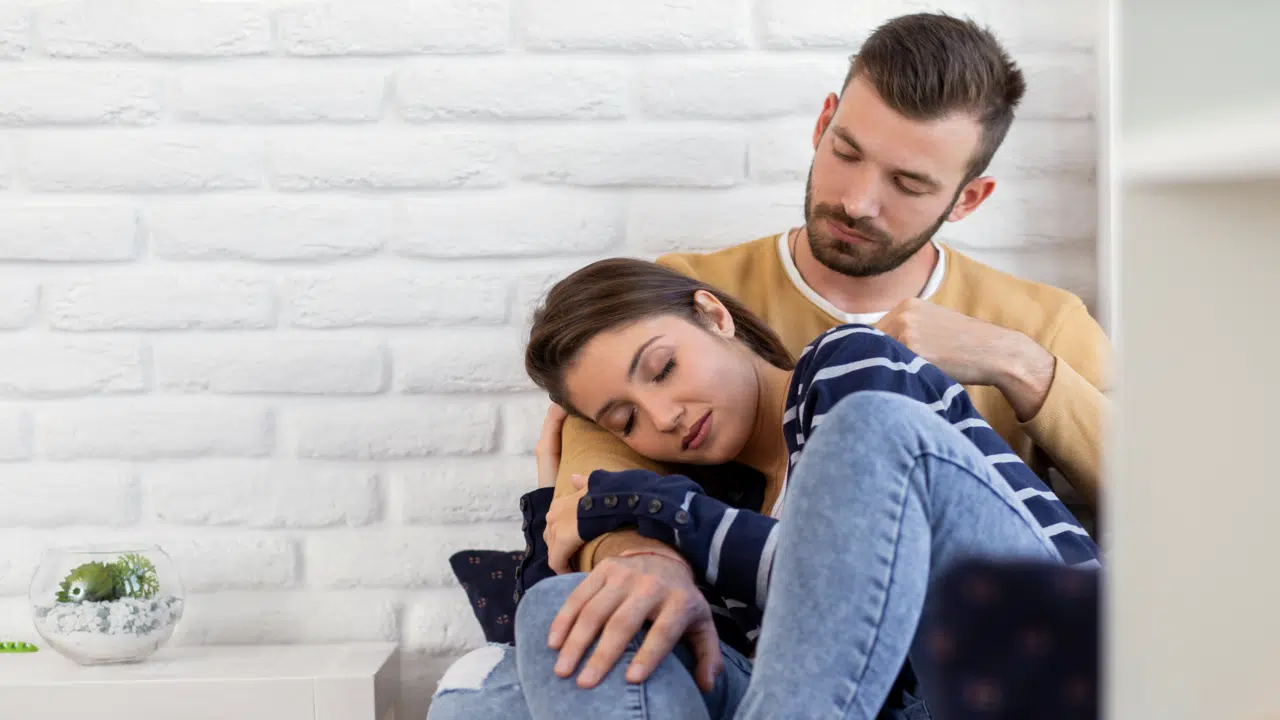
Boundaries are not rejection—they’re emotional safety markers. When a husband respects limits around time, space, or emotional topics, trust grows. Pushing past boundaries communicates entitlement, not love. Ask what she needs instead of assuming. Respecting boundaries shows emotional intelligence. Safety thrives where autonomy is honored.
He Apologizes Without Making It About Himself

A real apology focuses on impact, not intention. When a husband centers his wife’s experience instead of his guilt, healing happens faster. Avoid phrases like “I’m sorry you feel that way.” Instead, name the behavior and its effect. A clean apology restores emotional balance. It shows empathy, not ego.
He Is Emotionally Available, Not Just Physically Present

Being in the same room isn’t the same as being emotionally accessible. A wife feels safe when she knows her husband can engage emotionally, not just logistically. Eye contact, thoughtful questions, and genuine curiosity matter. Emotional availability builds intimacy. Make space for conversations that aren’t about tasks or problems. Presence is felt, not scheduled.
He Doesn’t Weaponize Her Vulnerabilities

Trust shatters when past confessions are used during arguments. A wife needs to know her openness won’t be turned against her. Emotional safety depends on confidentiality within the marriage. Never bring up old wounds to “win” a fight. Protect what she’s trusted you with. Safety grows when vulnerability is honored.
He Expresses Appreciation Regularly

Feeling seen and valued reduces emotional insecurity. Appreciation doesn’t have to be grand—it has to be consistent. Thank her for emotional labor, not just visible tasks. Recognition builds emotional warmth. A simple habit is naming one thing you appreciate daily. Gratitude creates a secure emotional environment.
He Makes Room for Her Emotions Without Judgment

Judgment shuts down emotional openness. When a husband allows emotions without labeling them as “too much,” safety increases. Emotions don’t need permission to exist. Curiosity is more powerful than criticism. Ask questions instead of minimizing. Emotional acceptance strengthens connection.
He Stays Engaged During Hard Conversations

Avoidance creates emotional distance. A wife feels unsafe when important topics are brushed aside. Staying engaged—even when uncomfortable—signals commitment. You don’t need perfect words; you need presence. Schedule tough talks if needed, but don’t dodge them. Courage builds emotional security.
He Shows Empathy Before Logic

Logic often feels cold when emotions are high. Empathy first tells a wife she matters more than being right. Once she feels understood, solutions come easier. Lead with compassion, then clarity. This order matters more than most men realize. Emotional safety begins with emotional understanding.
He Respects Her Inner World

A wife feels safe when her thoughts, values, and dreams are treated seriously. Dismissing her inner world creates emotional loneliness. Ask about her ideas and remember what matters to her. Respect isn’t agreement—it’s attention. Emotional intimacy grows through curiosity. Honor who she is beyond roles.
He Is Predictable in Love and Affection

Unpredictable affection creates anxiety. A wife shouldn’t have to earn emotional warmth. Consistent affection—verbal, emotional, and physical—builds trust. Love shouldn’t feel conditional. Make affection a habit, not a reward. Predictability creates emotional peace.
He Chooses Partnership Over Power
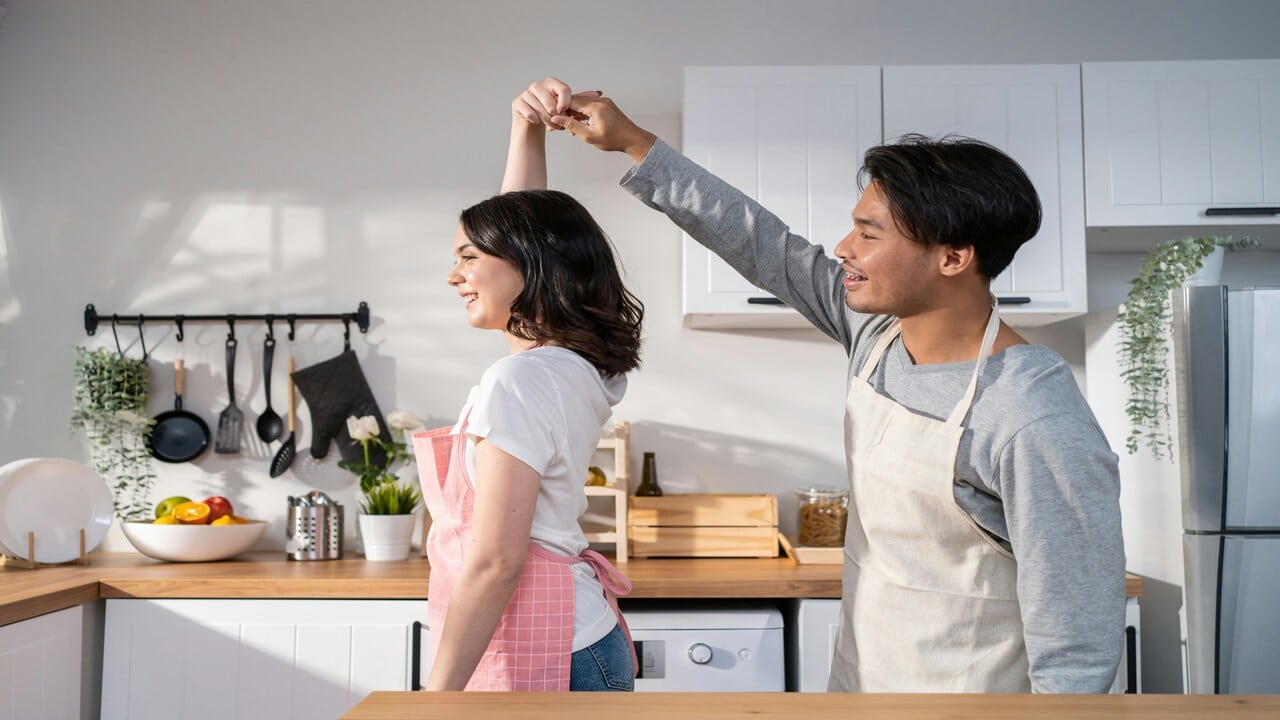
Emotional safety thrives in equality, not control. When a husband collaborates instead of dominates, trust deepens. Decisions made together communicate respect. Power struggles erode intimacy over time. Partnership says, “We’re on the same side.” Safety grows where mutual respect leads.








Ask Me Anything