
We often treat jokes as harmless throwaway lines—something to laugh at, brush off, or reply to with a laughing emoji. But not all humor is created equal. Some jokes are cover stories for deeper emotional pain, loneliness, resentment, or burnout. People don’t always know how to ask for help directly, so they hide their truth inside humor that feels “safe” to say out loud.
If you learn to spot these patterns, you’ll start hearing what people are really telling you—and maybe even recognize a few you’ve said yourself. These aren’t punchlines. They’re signals.
1. “I’m Fine, I Just Hate Everyone”

This joke often comes from emotional exhaustion, not actual misanthropy. People say it when social interactions feel draining rather than fulfilling. It’s usually a sign they feel misunderstood, overextended, or emotionally unseen. If you hear this often, don’t challenge it with logic—ask how their week has really been. When people feel safe venting, the bitterness often softens. The real issue isn’t people; it’s burnout.
2. “I’ll Just Die Alone, It’s Fine”

This line gets laughs, but it usually masks fear about connection, aging, or being left behind. It often comes from someone who wants closeness but feels discouraged by past rejection. Laughing along can unintentionally reinforce their hopelessness. A better response is curiosity—ask what’s made dating or relationships feel so discouraging lately. Underneath the joke is someone craving reassurance.
3. “Sleep Is My Only Personality Now”

This joke is common among people who are overwhelmed or emotionally depleted. When rest becomes someone’s main coping mechanism, it’s often because their life feels unmanageable. It can signal chronic stress, depression, or feeling trapped in survival mode. Instead of glamorizing exhaustion, check in on what’s draining them. Rest is healthy—but only when it’s restorative, not escapist.
4. “I’m Not Depressed, I’m Just Tired of Everything”
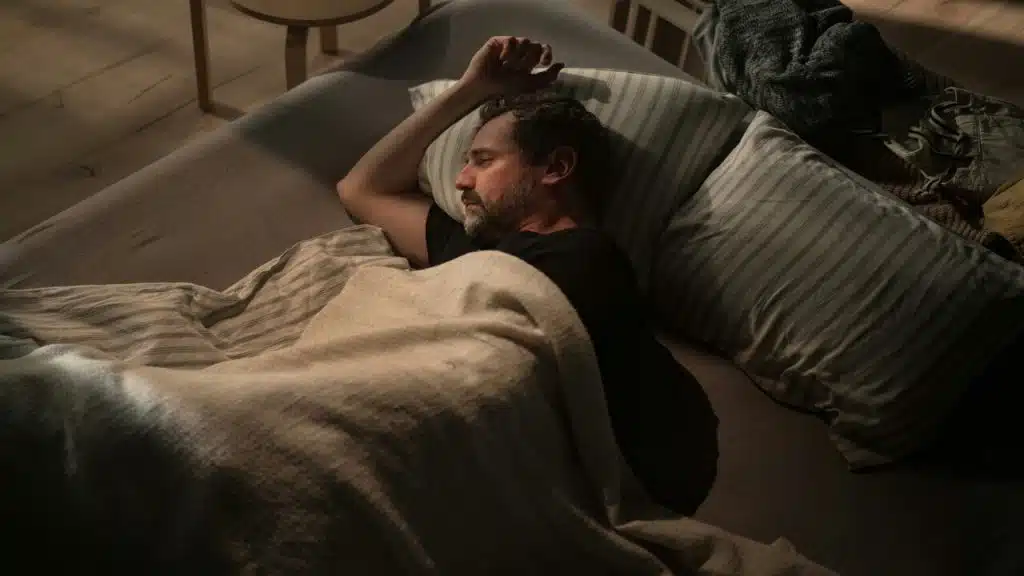
This joke sits right on the edge of emotional honesty. People use it when they don’t feel “sad enough” to justify asking for help but feel deeply worn down. It often reflects emotional numbness rather than sadness. If you hear this, resist minimizing it. Emotional fatigue deserves attention just as much as obvious distress.
5. “I Should Be a Stand-Up Comedian With All This Trauma”

Turning pain into humor can be a powerful coping skill—but it can also be a way to avoid processing it. This joke often comes from people who feel their suffering is only acceptable if it’s entertaining. It can hide unresolved grief or long-standing emotional wounds. Acknowledge the humor, but don’t ignore the history behind it. Trauma doesn’t need to be funny to be valid.
6. “If I Didn’t Laugh, I’d Cry”

This is one of the clearest signals that humor is being used as emotional armor. It usually means someone is barely holding things together. Laughing becomes a pressure valve, not a joy. When someone says this, it’s often an invitation—intentional or not—for support. Take it seriously, even if they say it lightly.
7. “My Love Language Is Being Left Alone”

This joke often masks disappointment with past relationships or unmet emotional needs. It’s less about introversion and more about self-protection. People say this when vulnerability has felt unsafe before. Rather than teasing them about being “cold,” ask what boundaries they’ve had to build—and why. Independence is often learned through pain.
8. “I’m Only Productive Under Extreme Stress”

This line usually points to burnout culture or anxiety-driven motivation. It can signal someone who doesn’t know how to rest without guilt. Over time, this mindset leads to emotional collapse, not success. If someone says this often, encourage healthier pacing rather than praising their grit. Productivity shouldn’t require constant crisis.
9. “I Have the Worst Luck With People”
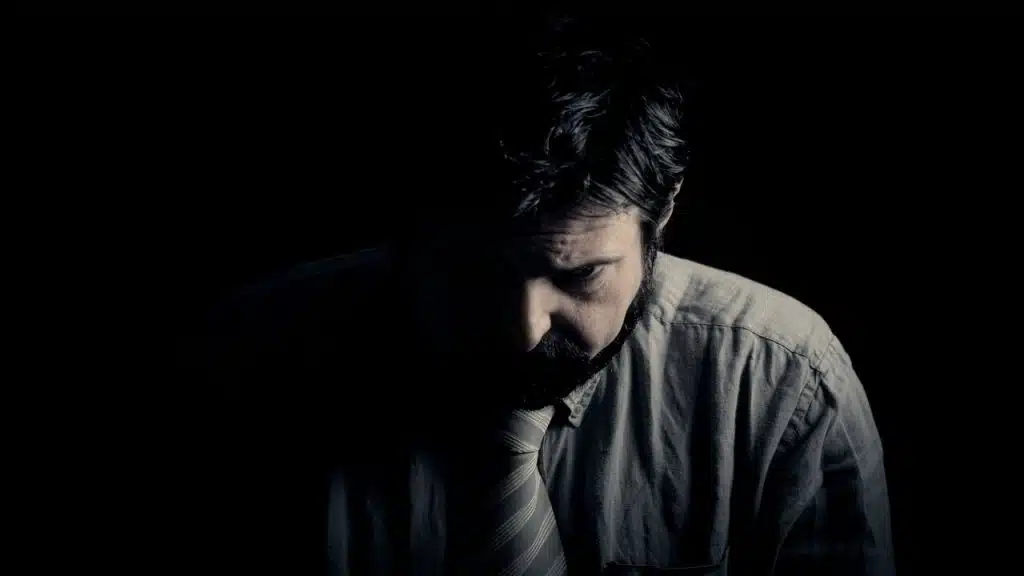
Repeatedly saying this often reflects unresolved patterns, not bad luck. It can indicate someone feels powerless in relationships or doesn’t trust their own judgment anymore. The joke protects them from examining painful truths. A supportive response might be asking what patterns they’ve noticed. Awareness is the first step toward change.
10. “I’m Basically Dead Inside”

This joke usually signals emotional numbness rather than humor. People say it when they feel disconnected from joy, excitement, or purpose. It’s often easier to joke about emptiness than admit confusion or sadness. If you hear this, don’t rush to fix it—acknowledge it. Feeling emotionally flat can be just as distressing as feeling overwhelmed.
11. “I Thrive on Chaos”

While it sounds bold, this joke often hides discomfort with calm or stability. Chaos can feel familiar when someone grew up in unpredictable environments. They may associate peace with danger or boredom. If this resonates with you or someone else, it’s worth exploring why calm feels unsafe. Stability doesn’t have to mean stagnation.
12. “Therapy Is Expensive, So I Joke Instead”

This joke points to emotional awareness mixed with resignation. The person knows they need support but feels blocked by cost, stigma, or access. Humor becomes a substitute for processing. Instead of laughing it off, validate the need for help and gently suggest alternatives—free resources, community support, or even honest conversations. Support doesn’t always start in a therapist’s office.
13. “I’m Low-Maintenance Because I Expect Nothing”

This line often hides deep disappointment. People say it after learning that expecting too much led to hurt. It’s not confidence—it’s emotional self-reduction. If you hear this, remind them that needs don’t make someone difficult. Healthy relationships require expectations, not their absence.
14. “I’m Just Bad at Being a Person”
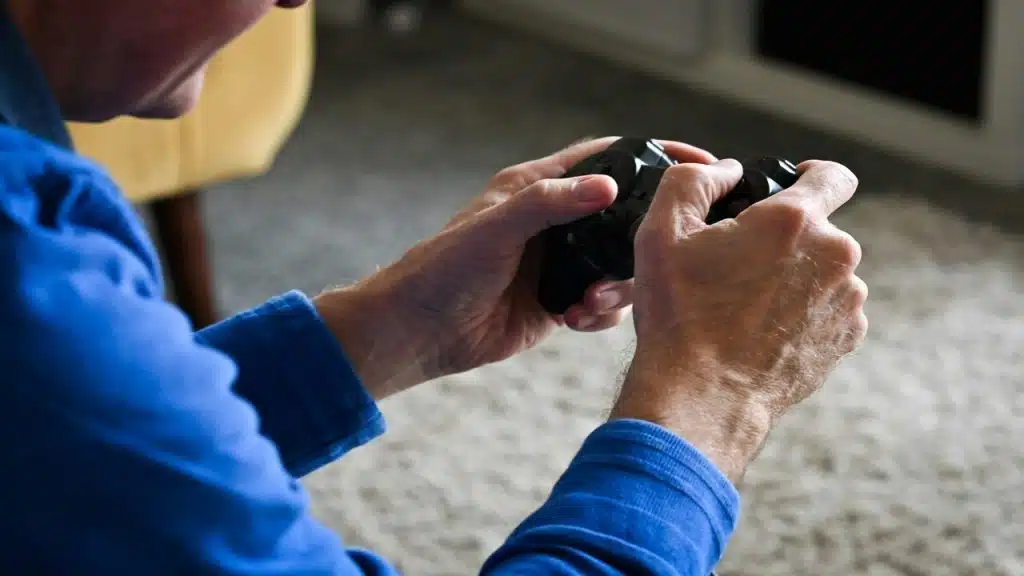
This joke usually comes from shame, not humor. It reflects someone who feels socially behind, emotionally clumsy, or out of sync with life milestones. Laughing at themselves feels safer than admitting insecurity. A kind response can normalize their experience. No one is born knowing how to navigate life perfectly.
15. “I’ll Deal With That Later”

When said jokingly, this often signals avoidance fueled by anxiety or overwhelm. People use humor to downplay problems they feel incapable of handling right now. Over time, “later” becomes heavier and more stressful. Gently encourage breaking problems into smaller steps. Avoidance isn’t laziness—it’s fear.
16. “I’m Only Emotionally Available in Jokes”

This joke is surprisingly honest. It means humor feels safer than sincerity. Vulnerability might have been punished or dismissed in the past. If someone communicates only through jokes, try responding with warmth rather than sarcasm. Emotional safety invites depth.
17. “At Least I’m Self-Aware”

This line is often used to deflect real change. Awareness without action can become a shield against growth. People joke about their flaws to avoid addressing them. If you hear this often, ask what they want to do differently—not what they already know. Insight matters most when it leads somewhere.
18. “It’s Fine, Everything’s Fine”

This is the classic emotional smoke screen. Repetition usually means the opposite is true. People say it when they don’t feel ready—or allowed—to express distress. Instead of accepting it at face value, check in gently later. Sometimes “fine” is just a placeholder for “I don’t know how to say this yet.”








Ask Me Anything