Sometimes people stay in marriages that feel heavier than they should, mostly because they’ve convinced themselves that “This is just how marriage works.” But deep down, you probably know it was never supposed to feel like you’re carrying all the weight by yourself.
A healthy partnership should feel supportive, steady, and safe. And if it doesn’t feel like that, it might be time to pause and take a closer look at what’s really going on.
1. You Don’t Feel Chosen or Prioritized Anymore
Love used to feel mutual, but now it feels one-sided. You might feel like you’re the only one showing up consistently. You may find yourself longing for small gestures, attention, or effort, but those things rarely come. It’s painful to feel overlooked by the person who promised partnership. Eventually, you start questioning whether you still matter in the way you once did.
What’s even harder is realizing how long you’ve been carrying that feeling. When you spend more time hoping for love than experiencing it, the imbalance becomes impossible to ignore.
2. You Make Excuses for Their Behavior Without Realizing It
You’ve probably said things like, “They didn’t mean it,” or “They’re just stressed,” or “It was a bad day.” Sometimes those things are true, but not every day. When you start justifying patterns instead of isolated moments, that’s when the red flag appears. It becomes a reflex to soften their edges for everyone else.
As time goes on, you might notice you’re explaining things that shouldn’t need explaining. You’re smoothing their impact on others and protecting them from accountability. Meanwhile, your own feelings keep getting brushed aside.
3. They Don’t Celebrate Your Wins Anymore
In a healthy relationship, your happiness should make them happy. If your achievements make them distant, cold, or quietly uncomfortable, that can feel confusing. You sense the shift immediately because your excitement doesn’t land the way it used to. Instead of being celebrated, you almost feel like you’ve done something wrong.
You deserve a partner who cheers for you, not one who becomes uneasy when you grow. Growth’s a natural part of life, and it shouldn’t create tension within your marriage.
4. You Fantasize About a Day Without Tension

It’s normal to want some peace, but when the idea of a calm day feels like a luxury, that’s telling. You might catch yourself imagining a morning where you don’t feel on edge or a night where you don’t have to navigate emotional minefields.
You may even notice that the smallest things, like drinking coffee alone or taking a long shower, feel more peaceful than time spent together. It’s not that you want a perfect relationship. You just want one that doesn’t feel like work from the moment you wake up.
5. Somehow You’re Always the One at Fault
No matter what goes wrong, it circles back to you. They forget something important and say you didn’t remind them. They raise their voice and say you made them upset. Over time, these patterns can make you question your own perception of events.
You may start apologizing even when you didn’t do anything wrong, just to keep things calm. You begin second-guessing your reactions and replaying conversations in your mind. It’s draining to feel like the problem, especially when you’re trying your best.
6. You Feel More Like a Caregiver Than a Partner

If you find yourself constantly reminding them about responsibilities or managing things they should handle themselves, that can wear you down. It’s one thing to support your partner. It’s another to feel like the household depends on you acting like the only adult. After a while, you start noticing the imbalance more clearly.
You might start thinking things like, “If I don’t take care of this, no one will.” That’s an overwhelming place to be emotionally. When you feel like you’re supervising someone rather than sharing a life with them, the partnership becomes lopsided.
7. You Pretend Things Are Fine So People Won’t Ask Questions
Sometimes it’s easier to smile for photos or make polite conversation than it is to explain what’s really happening behind the scenes. You put on your “we’re good” voice because the alternative feels messy and exhausting. Even though people think you’re doing great, you know the truth hits differently when you’re alone.
You might not even realize you’re performing until someone asks a genuine question and you feel that quick moment of panic. You rehearse your answers, avoid certain topics, or steer conversations away from anything personal.
8. They Treat Your Feelings Like an Inconvenience

When you try to talk about something that matters to you, they might sigh, shut down, or act like you’re bringing up too much. It’s subtle, but you can feel the irritation behind their responses. After a while, you start questioning whether your emotions are valid, even though they absolutely are.
This kind of reaction teaches you to stay quiet, even when quiet doesn’t feel good. You tell yourself you’ll bring it up later, but later never seems like the right time. Little by little, that emotional distance becomes the norm.
9. You No Longer Expect Joy to Come From Them
You used to look forward to laughing with them or sharing small happy moments together. Now those moments feel rare or out of reach. You stop expecting joy because you’ve adjusted to disappointment without even realizing it.
You may still care about them deeply, but that doesn’t change the emotional tone of the relationship. When happiness becomes something you seek elsewhere, whether through friends, hobbies, or alone time, that’s a sign your emotional needs aren’t being met. It’s okay to acknowledge that, even if it feels uncomfortable.
10. Their Apologies Don’t Really Feel Genuine
You might hear the word “sorry,” but it doesn’t land the way it used to. It might come with a sigh, a dismissive tone, or a subtle shift of blame. Sometimes the apology feels less like an acknowledgment and more like a quick way to move past the moment.
Over time, these almost-apologies start to wear thin. They may leave you feeling unheard, unseen, or misunderstood. When you’re consistently the one offering grace while they offer excuses, it creates a dynamic that doesn’t feel balanced.
11. You Feel More Relaxed When They’re Not Around
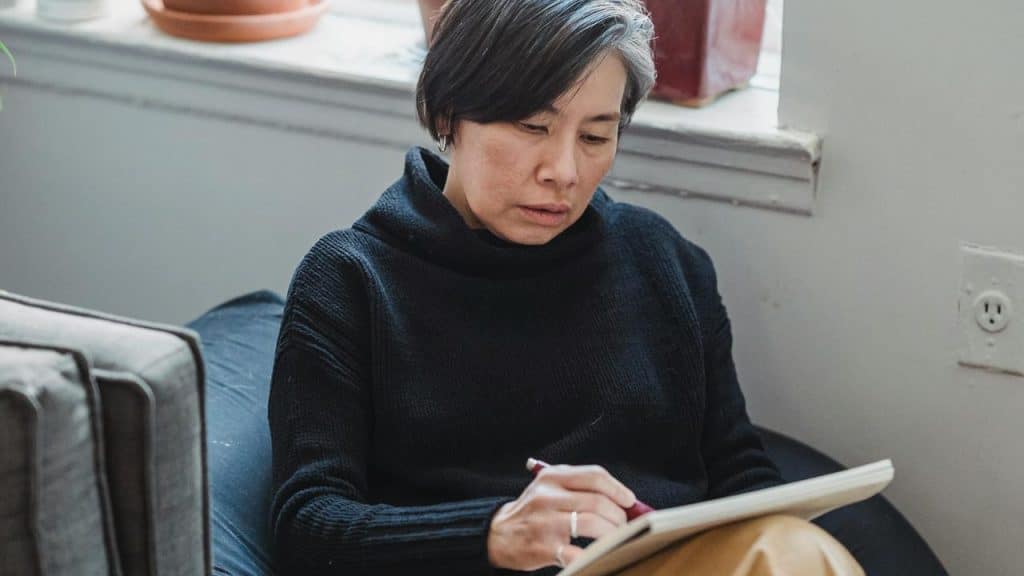
You know that feeling when the house suddenly feels lighter the moment they leave? That’s not something to ignore. If your body naturally relaxes when you’re alone, it’s telling you something your mind hasn’t said out loud yet.
What’s interesting is that you probably don’t announce it or talk about it. You simply feel it. Maybe you breathe deeper, move more freely, or feel more like yourself again
12. You’re Still Hoping They’ll Become the Person They Promised to Be
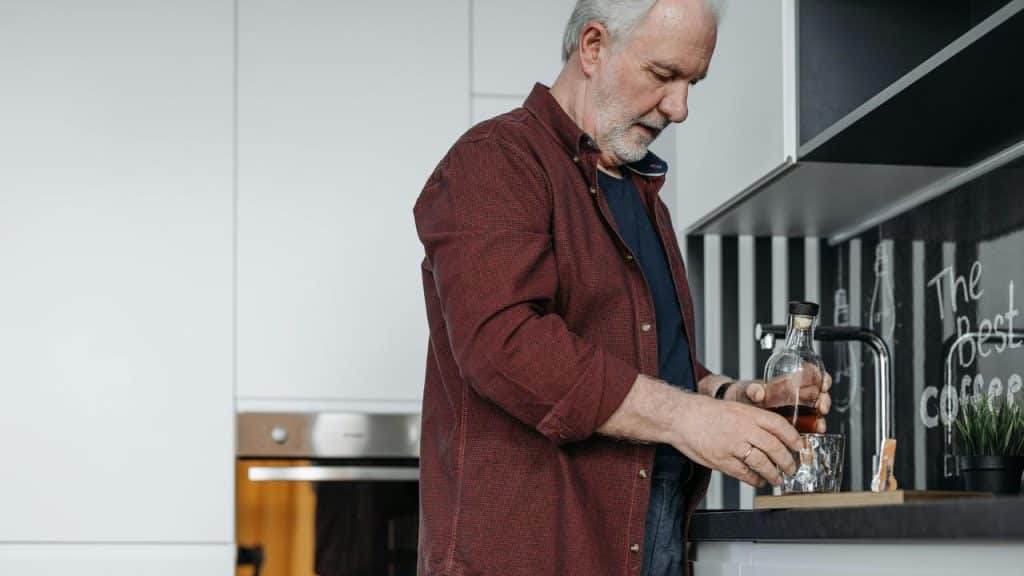
Maybe they said they’d grow, try harder, communicate better, or show up emotionally. And maybe you believed them because why wouldn’t you? But if you’ve been waiting so long that “eventually” feels like a moving target, it might be time to pay attention to that.
You might find yourself thinking, “They really could be amazing if they just worked on a few things.” That might be true, but it’s their responsibility, not yours, to do the work. You can cheer them on and support them, but you can’t live in a version of the relationship that only exists in your imagination.
13. You Don’t Really Recognize Yourself Anymore
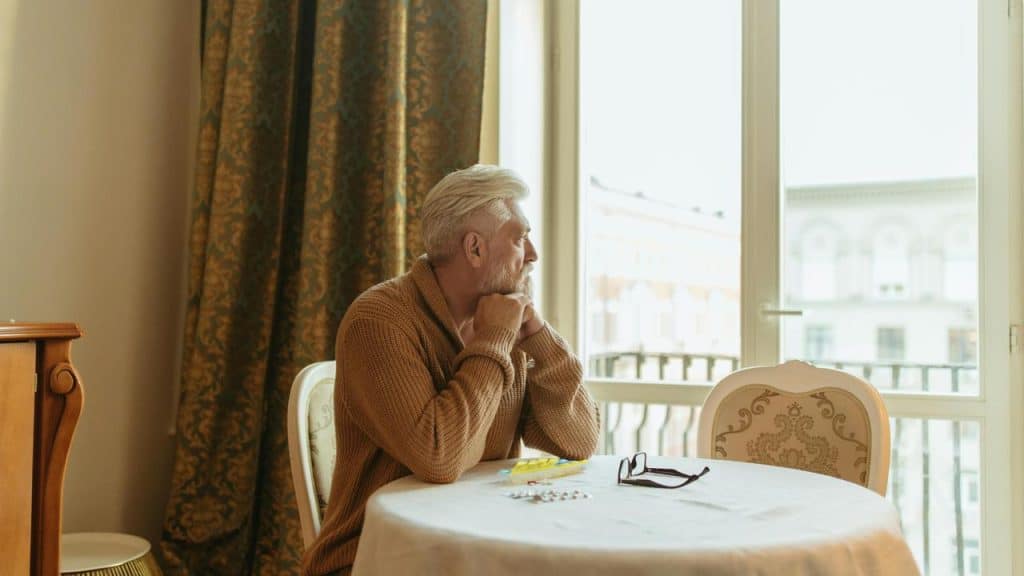
Maybe you used to be more confident, silly, expressive, or relaxed, and now you feel like a smaller version of yourself. It’s not that you suddenly changed overnight. It’s more like you slowly adjusted to keep things calm or predictable.
It’s a strange feeling to look back at who you were and realize you miss that version of yourself. When you shrink to avoid tension or criticism, your needs start to fade into the background. The relationship becomes less about who you are and more about who you have to become to keep things smooth. That’s not sustainable for anyone.
14. Talking Feels More Stressful Than Helpful

In a healthy relationship, talking should feel like a sigh of relief, not something that makes your shoulders tense up. If you’ve reached a point where you rehearse what you want to say or talk yourself out of being honest, that’s a clue that the communication has shifted.
Once that happens, emotional walls start building themselves pretty quickly. You keep things to yourself because it feels easier than navigating another draining conversation. You tell yourself you’re “keeping the peace,” even though it doesn’t feel peaceful at all. When speaking up feels risky and staying quiet feels safer, something’s off.
15. You Feel Alone, Even When You’re Together
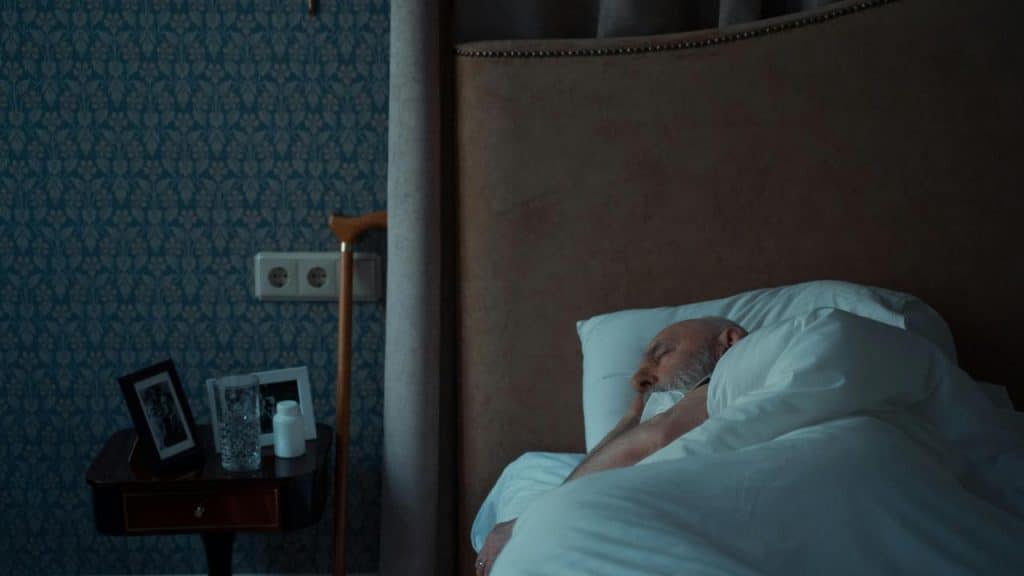
It’s strange how you can sleep next to someone every night and still feel completely alone. You might hear them breathing, turning over, or scrolling through their phone, and yet it doesn’t feel like they’re truly with you.
Even when you’re out together, it might feel like you’re just going through the motions. Conversations become short, small, or predictable, and you start thinking more about getting through the moment than sharing it.








Ask Me Anything