
Singleness isn’t a failure state—it’s a life path that can be deeply stable, fulfilling, and rich if you prepare for it intentionally. The problem is that most people are conditioned to build their lives assuming a partner will eventually fill the gaps: emotional, financial, social, even logistical.
When that doesn’t happen—or doesn’t last—many feel unmoored. Preparing for a lifetime of singleness isn’t about giving up on love; it’s about building a life that stands strong whether love shows up or not. These practical steps help you future-proof your independence, confidence, and well-being so your life doesn’t hinge on someone else’s presence.
1. Build a Financial Life That Works on One Income

Design your finances assuming you’ll always be your own safety net. This means budgeting realistically for housing, healthcare, travel, and emergencies without relying on a second income to “make it work.” Prioritize a strong emergency fund and avoid lifestyle inflation that only makes sense for couples. Learn basic investing and retirement planning early—compound interest favors the prepared, not the hopeful. Financial peace is one of the biggest advantages long-term single people can create for themselves.
2. Choose Housing That Supports Independence, Not Fantasy

Buy or rent based on what you can maintain emotionally and financially, not what looks impressive or “future-proof for a family.” Smaller, well-located homes often provide more freedom than large spaces that create upkeep stress. Think about accessibility as you age—stairs, maintenance, proximity to essentials. Your home should feel like a support system, not a burden. Comfort and sustainability matter more than size.
3. Learn How to Be Emotionally Self-Sufficient

Emotional independence doesn’t mean emotional isolation. It means you can process stress, disappointment, and joy without needing constant validation from a romantic partner. Develop habits like journaling, therapy, or reflective walks to regulate your emotions. Learn to self-soothe instead of immediately reaching for distraction or reassurance. This skill alone dramatically improves long-term mental health.
4. Invest Deeply in Friendships (Not Casually)

Casual friendships won’t carry you through decades. Build a few deep, intentional relationships where you show up consistently and honestly. Be the friend who remembers birthdays, checks in during hard weeks, and makes plans instead of waiting to be invited. Long-term singleness works best when friendship is treated as a primary relationship, not a placeholder. Community doesn’t happen by accident—it’s built.
5. Get Comfortable Making Big Decisions Alone

From career moves to medical choices, practice trusting your judgment. Seek advice, but don’t outsource responsibility. Learn to sit with uncertainty without immediately looking for someone else to decide for you. Confidence grows through repetition—small decisions today build clarity for bigger ones later. Independence is a muscle, not a personality trait.
6. Prioritize Your Physical Health Ruthlessly

When you’re single long-term, your body becomes even more valuable—it’s your mobility, energy, and independence. Don’t wait for health scares to take action. Build sustainable routines around movement, nutrition, sleep, and preventive care. Strength training and balance matter more with age than aesthetics. Your future self will thank you for boring consistency.
7. Develop a Strong Sense of Daily Structure

Couples often create structure for each other without realizing it. Singles need to do this intentionally. Design your days with anchors—morning routines, regular workouts, weekly social plans, and personal projects. Structure reduces loneliness, decision fatigue, and aimlessness. Freedom feels better when it’s supported by rhythm.
8. Learn to Travel and Dine Alone Without Apology

Waiting for company limits your life. Learn how to enjoy restaurants, movies, and trips solo without feeling awkward or self-conscious. Start small, then expand. Solo experiences build confidence and self-trust while opening doors to unexpected connections. A full life doesn’t require an audience.
9. Create Long-Term Care and Emergency Plans

Many people assume a spouse will handle emergencies or aging-related needs. Singles must plan proactively. Designate emergency contacts, create a will, and understand your healthcare options. Research long-term care insurance or communal living alternatives early. Planning isn’t pessimistic—it’s responsible self-respect.
10. Cultivate Interests That Grow With You
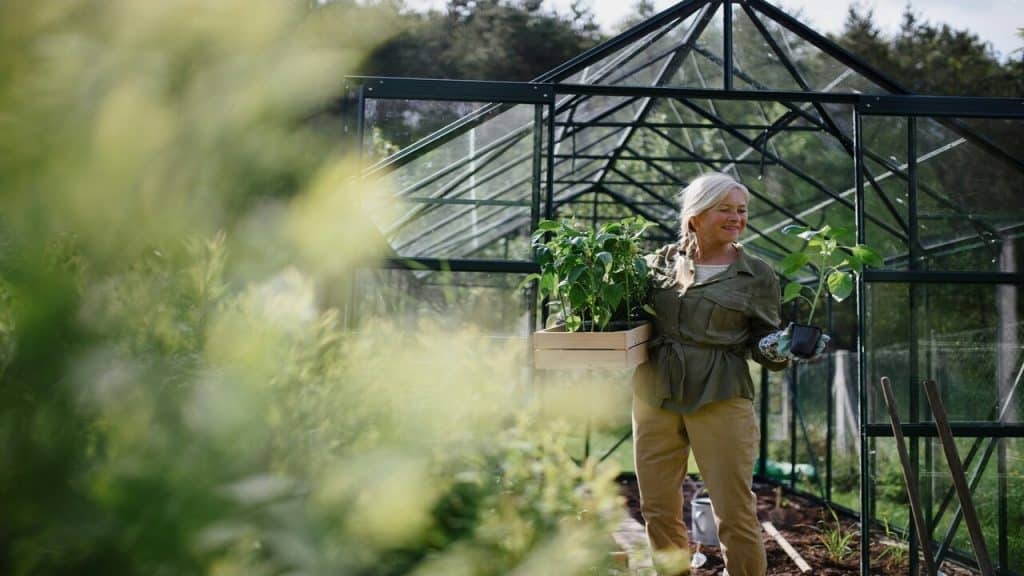
Choose hobbies that can evolve across decades, not just phases of life. Skills like writing, gardening, cooking, photography, or learning instruments provide meaning and continuity. Avoid building your identity around trends or social validation. A rich inner life is one of singleness’ greatest assets.
11. Get Comfortable With Silence and Stillness

Many people use relationships to avoid being alone with their thoughts. Learn to sit in quiet without reaching for noise or distraction. Stillness helps you understand what you actually want—not what you’ve been told to want. This clarity becomes grounding over time. Peace often starts where avoidance ends.
12. Strengthen Your Professional Stability

Career instability hits singles harder because there’s no backup income. Invest in skills that increase employability and income flexibility. Build a professional network intentionally, not just when you need something. Diversify income if possible. Financial and career resilience reduce anxiety dramatically.
13. Redefine Success on Your Own Terms

Many milestones—marriage, kids, shared homes—won’t apply or may arrive differently. Decide what success looks like for you before society decides for you. This could mean freedom, impact, creativity, or peace. Clear definitions prevent quiet resentment and comparison traps. Your life doesn’t need to resemble anyone else’s to be valid.
14. Learn How to Handle Loneliness Without Panic

Loneliness isn’t a personal failure—it’s a human signal. Learn to respond with connection, not self-judgment. Have a short list of people or activities you turn to when loneliness hits. Don’t catastrophize temporary feelings into permanent conclusions. Emotional resilience comes from response, not avoidance.
15. Build Rituals That Give Life Meaning

Holidays, birthdays, and transitions can feel empty without shared traditions. Create your own rituals—annual trips, personal ceremonies, or recurring celebrations with friends. Meaning doesn’t require a partner; it requires intention. Rituals give shape to time and make life feel anchored.
16. Be Selective About Who You Let Close

Singleness doesn’t mean lowering boundaries. In fact, it means raising them. Choose people who add calm, honesty, and respect to your life—not chaos or emotional drain. Protect your time and energy as valuable resources. Peace is easier to maintain than to recover.
17. Accept That Life Will Look Different—and That’s Okay

Stop waiting for your “real life” to begin. This is your life. Grief for the imagined version may surface, and that’s normal. Let it pass without turning it into bitterness. Acceptance creates room for joy where resistance creates tension.
18. Design a Life You Don’t Need to Escape From

The ultimate goal isn’t independence for its own sake—it’s contentment. Build days that feel good to wake up to. Leave room for curiosity, rest, contribution, and growth. A well-designed single life isn’t lonely—it’s intentional, grounded, and quietly powerful.








Ask Me Anything