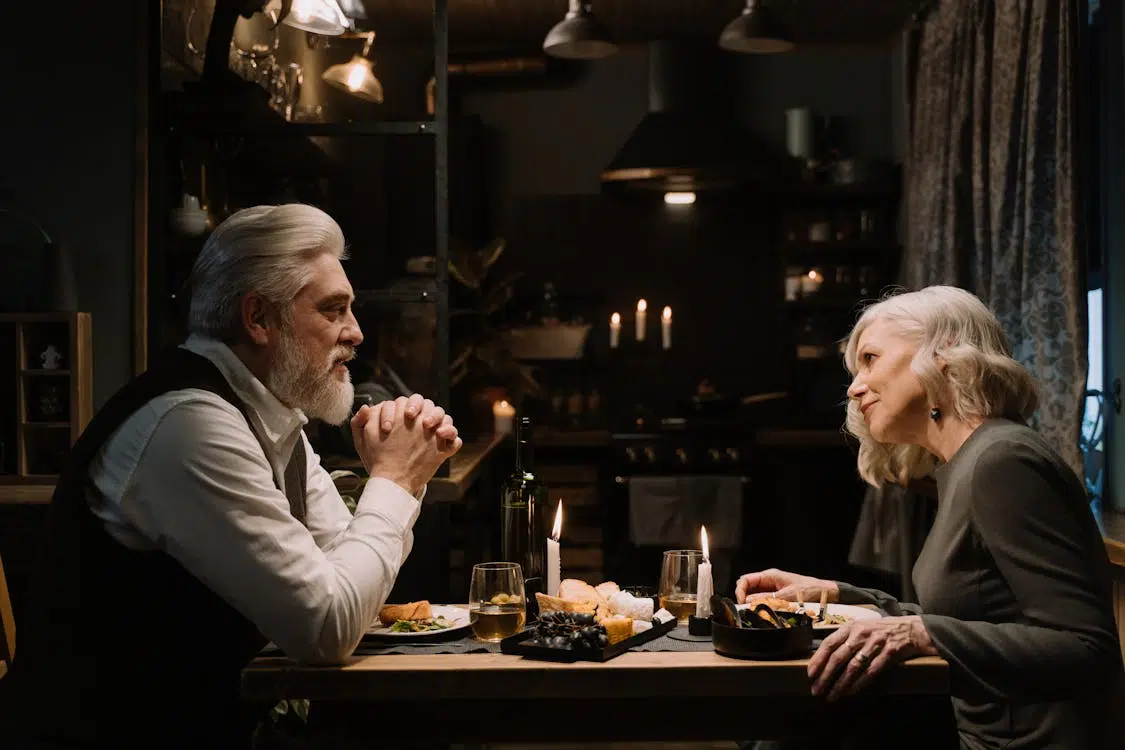
You’ve been on a few dates and noticed some grand gestures that make you wonder whether they are genuine or just a cover for something deeper. Maybe it’s the expensive dinner, constant texts, or sudden declarations of affection. Spotting the difference can save you from getting played or investing in the wrong energy. Romantic gestures feel natural and effortless, making you feel appreciated without pressure. Overcompensation, on the other hand, can feel forced and excessive, leaving you questioning their intentions.
They Listen More Than They Talk About Themselves

A genuine romantic partner shows interest in your life without turning every conversation back to themselves. They ask questions, remember details, and make you feel heard. Someone overcompensating often dominates the talk to impress or validate themselves. If you notice a constant “look at me” energy, it’s a red flag. Real romance feels balanced and easy. Pay attention to how much effort they put into learning about you versus performing for you.
Their Actions Match Their Words

You notice when someone follows through on promises and plans without drama or excuses. That consistency shows that their gestures are rooted in care. Overcompensators often make big promises that rarely materialize. Flashy gifts and grand plans without reliability signal insecurity, not romance. Watch if their words and actions align over time. Real gestures create trust. Anything else might just be smoke and mirrors.
They Don’t Try to Impress Constantly

A romantic gesture comes naturally, not as a performance for approval. Someone overcompensating feels the need to constantly prove they are “the one.” Look for subtlety and thoughtfulness rather than over-the-top displays. Genuine connection grows quietly. Insecurity-driven acts often escalate fast and unpredictably. You should feel relaxed, not pressured. Pay attention to the pace of their efforts.
They Respect Your Boundaries

Someone sincere never pushes you past your comfort level to show affection. Overcompensators often ignore boundaries to prove their worth or make you like them. Healthy romance respects your space and choices. Watch for reactions when you say no or set limits. Feeling safe and understood is a key sign of authenticity. A lack of respect hints at underlying insecurity. Your comfort should come first.
They Make Small, Thoughtful Gestures

The little things matter more than grand performances. A romantic partner leaves notes, remembers your favorite coffee, or checks in when you have a rough day. Insecurity-driven gestures try to wow you with extravagance instead. Observe what feels heartfelt versus what feels like showboating. Small, consistent acts are a sign of genuine care. Big gestures can be impressive but empty if they lack sincerity.
They Don’t Expect Constant Praise

Genuine affection doesn’t come with a need for validation. Someone overcompensating seeks approval for every gesture they make. Notice if your compliments feel like fuel for their ego rather than appreciation. Real romance is selfless and steady. Insecure gestures feel transactional. Pay attention to how they react to gratitude. If it’s always about them, it’s probably insecurity.
They Handle Conflict With Maturity

Romantic gestures show in how someone navigates disagreements. Someone genuine listens and works toward solutions without manipulation. Overcompensators might try to “win” your affection with gifts or apologies rather than address the issue. Conflict management reveals true character. Watch for honesty, accountability, and calm communication. This is where intentions show clearly.
They Make You Feel Safe, Not Pressured

You should feel relaxed, not like you owe them something after a gesture. Genuine gestures create comfort. Overcompensation often comes with expectation or guilt if you don’t reciprocate immediately. Your emotional safety is a strong indicator of their authenticity. Pay attention to your gut. If you feel anxious or manipulated, it’s likely insecurity.
They Celebrate Your Successes Without Jealousy

Someone acting from a place of romance genuinely wants you to shine. Insecurity-driven gestures are often overshadowed by competitiveness or subtle guilt-tripping. True affection lifts you up rather than making you feel indebted. Watch how they react when good things happen in your life. Support without comparison is key. Genuine care isn’t threatened by your wins.
They’re Consistent Over Time

Romantic gestures feel effortless day after day. Insecurity-driven actions often fluctuate. Grand gestures today, silence tomorrow. Consistency shows that affection comes from genuine feeling, not ego management. Pay attention to long-term behavior, not just one impressive date. Real gestures integrate naturally into daily life. You’ll notice a steady, reliable vibe.
They Don’t Over-Explain Their Actions

Romantic gestures don’t need a full backstory or justification. Someone overcompensating often explains themselves excessively to make sure you get it. Authenticity speaks for itself. If you find yourself nodding along to repeated explanations, it might be insecurity. Trust the action, not the speech. Subtlety is a strong indicator of real intention.
They Show Vulnerability

True romance comes with emotional openness, not just performance. Sharing fears, doubts, and feelings shows confidence in connection. Overcompensators hide vulnerability behind gestures and “perfect” behavior. Watch for moments of authenticity. Vulnerability signals trust and maturity. It’s rare but revealing.
They Prioritize Your Happiness

A genuine partner genuinely wants to see you happy without expecting anything in return. Overcompensation often comes with strings attached or constant reminders. Observe if their gestures are about you or about making themselves look good. Selfless consideration is a hallmark of authenticity. Real romance balances both your needs.
They Don’t Rush The Relationship

Romantic gestures grow organically over time. Someone overcompensating may push the pace to secure validation. Watch how they handle patience and progression. Healthy romance unfolds naturally. Pressure is a red flag. Your comfort should always be the pace setter.
They Make You Feel Seen

Ultimately, gestures should make you feel recognized and appreciated. Overcompensation often feels like a test of loyalty, patience, or admiration. Genuine romance makes you feel valued for who you are, not for how you respond. Observe whether you feel warmth or anxiety after their actions. That feeling is the clearest signal of intent.








Ask Me Anything