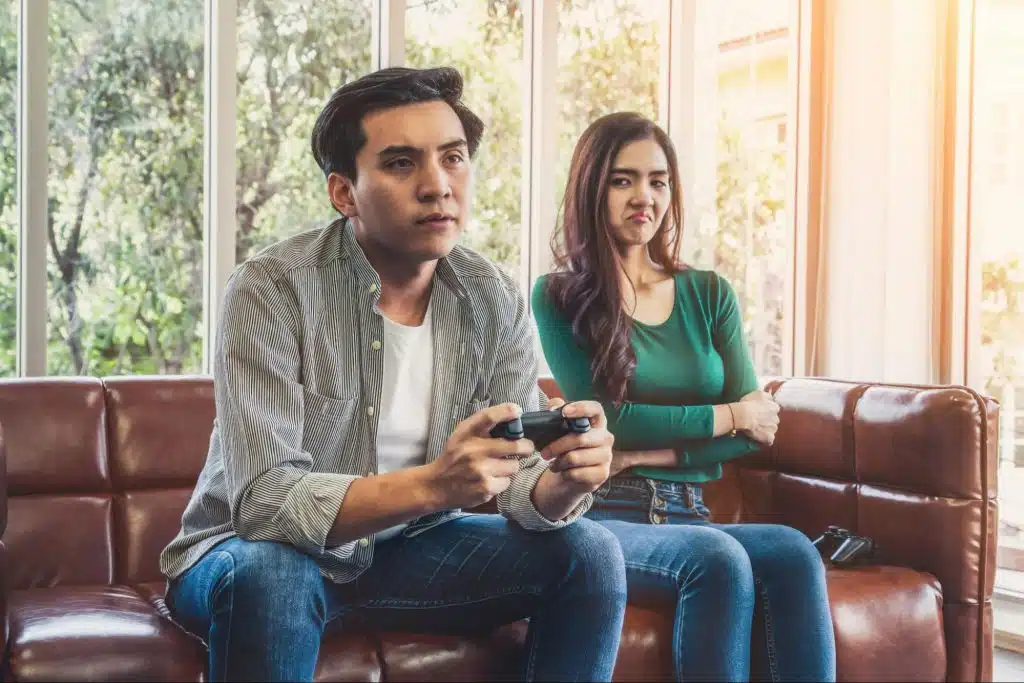
Most wives don’t actually resent golf, gaming, fishing, or whatever hobby their husband enjoys. What they resent is feeling like the hobby receives priority, consistency, and protection while the marriage gets leftovers. The hobby becomes a symbol of deeper imbalances in how time, energy, and priorities are distributed. A few hours weekly pursuing personal interests shouldn’t create resentment, yet it does when those hours are the only consistently protected time while everything else, including the relationship, remains flexible. These sixteen balance issues explain why hobbies generate resentment even when they seem reasonable in isolation. Understanding the real source of resentment moves beyond defending the hobby to addressing the actual imbalances creating the conflict.
The Hobby Gets Scheduled Time While the Marriage Gets “When We Can”
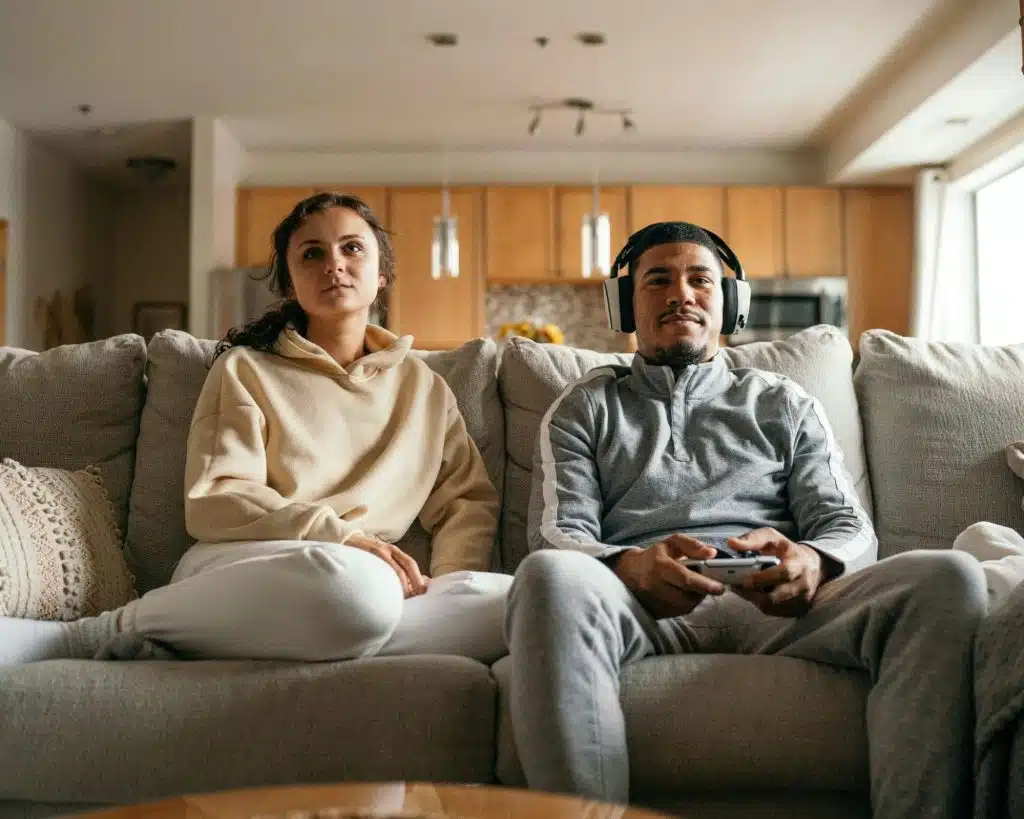
Golf games, fishing trips, or gaming sessions receive calendar priority and advance planning while date nights remain perpetually postponed. This hierarchy reveals what actually matters most despite claims otherwise. The hobby operates on a protected schedule while couple time exists only in leftover gaps. Partners notice when hobbies receive the planning, consistency, and commitment that the marriage doesn’t. The message sent is that personal recreation matters more than relationship maintenance.
You’ll Cancel Family Plans for Your Hobby But Never the Reverse
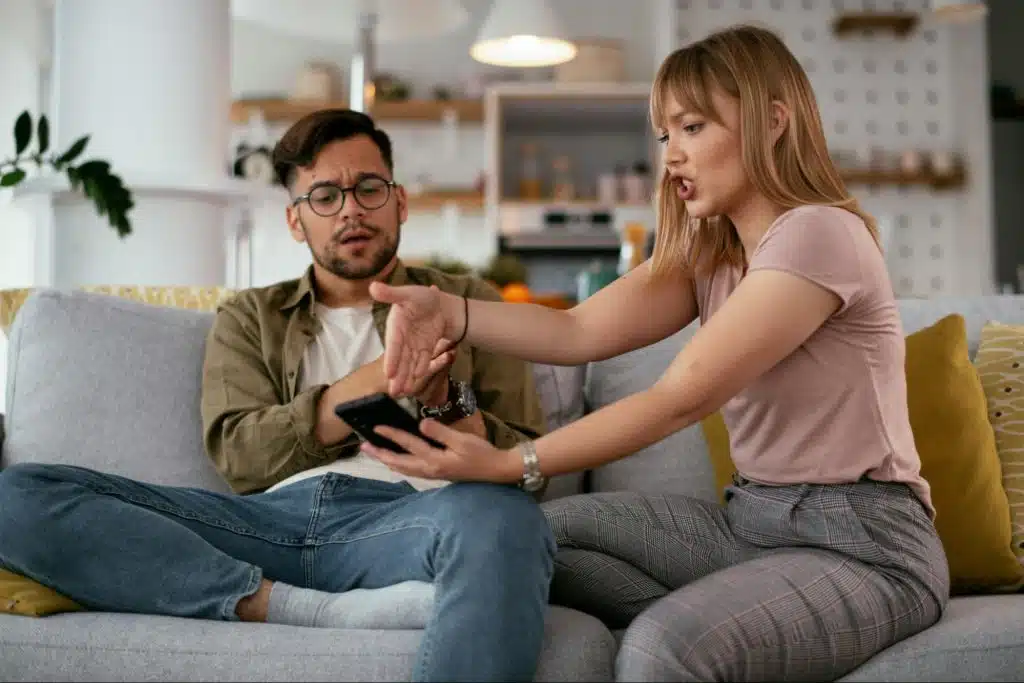
When conflicts arise between hobby time and family activities, which consistently gets sacrificed reveals true priorities. If the hobby is non-negotiable while family events are flexible, that imbalance creates legitimate resentment. Partners track these patterns even if not consciously, hobby time wins 90% of conflicts. The willingness to disappoint family to protect hobby time but not vice versa speaks volumes. Priorities reveal themselves through choices, not words.
Weekend Mornings Belong to Your Hobby While She Handles Everything Else

Claiming Saturday mornings for rounds of golf or fishing trips while she manages children, household, and responsibilities creates imbalance. This pattern positions hobbies as deserved recreation while her time remains filled with obligations. The luxury of uninterrupted personal time isn’t mutually available, only one person gets regular breaks. If weekend mornings are his personal time by default, when are hers? The inequity in who gets scheduled leisure time versus who handles life’s logistics breeds resentment.
Hours Spent on Hobbies Exceed Hours Invested in the Relationship

When weekly hobby time significantly outpaces time invested in the marriage through dates, conversations, or quality time together, imbalance is obvious. If someone can find 10-15 hours weekly for hobbies but claims 2 hours for date night is impossible, priorities are clear. Partners notice when personal recreation receives more time than partnership maintenance. This mathematical imbalance reveals what actually gets valued. Relationships require ongoing investment; neglect while pursuing hobbies makes resentment about priorities, not the activity itself.
She Can’t Pursue Her Interests Because She’s Covering What You’re Not

The luxury of hobby time often depends on someone else handling responsibilities. If his golf time requires her managing kids alone every Saturday, the imbalance is obvious. She can’t pursue equivalent personal time because someone needs to handle what he’s not handling while pursuing hobbies. This creates a parent-child dynamic where one person gets freedom and the other handles obligations. The hobby itself isn’t the problem, the unequal distribution of responsibility enabling it is.
You Don’t “Ask Permission” But She Has to Negotiate Any Personal Time
If hobbies happen by default without discussion while her personal time requires negotiation, advance notice, and justification, that’s inequity. This dynamic positions his time as automatic entitlement while hers requires permission. The resentment isn’t about the hobby but about the unfairness in who has an automatic claim to personal time. If golf happens every Saturday without question but her getting coffee with friends requires planning and discussion, the imbalance is clear. Equal partners should have equal access to personal time without disparate approval processes.
Household Responsibilities Pile Up During Hobby Time

If pursuing hobbies means that tasks simply wait rather than being handled differently, the burden falls on the partner. She’s left managing accumulated responsibilities alone while he pursues recreation. This might include childcare, household management, or logistics that don’t pause for hobby time. The hobby creates more work for her without any compensating break for her. The resentment stems from shouldering additional burden to enable someone else’s leisure.
Your Hobby Has a Budget While Family Needs Are “Too Expensive”
When hobby expenses, equipment, memberships, trips, receive consistent funding while family activities, her needs, or relationship investments are denied as too costly, the priority imbalance is glaring. This pattern shows what actually matters through resource allocation. If new golf clubs are affordable but a family vacation isn’t, the financial priorities speak clearly. Partners notice when hobbies receive investment that family or relationship needs don’t. Money allocation reveals values regardless of stated intentions.
You Announce Hobby Plans Rather Than Discussing Them

Informing rather than consulting about hobby time positions the partner as someone to be notified, not someone whose input matters. This unilateral decision-making about time allocation disregards partnership. Healthy couples discuss time commitments that affect both people rather than issuing announcements. If hobby plans get declared rather than discussed, the message is that her schedule, needs, or preferences don’t factor into the decision. The resentment is about being ignored in decisions that affect the partnership.
The Hobby Matters More Than Special Occasions

Missing anniversaries, birthdays, family events, or important moments for hobby activities sends clear priority messages. If a golf tournament is more important than a daughter’s recital or fishing trip takes precedence over an anniversary, those choices reveal values. Partners don’t forget when hobbies won out over moments that should matter more. These choices accumulate into a pattern showing what actually receives priority. Occasional conflicts are understandable; consistent choices favoring hobbies over relationship milestones create legitimate resentment.
She Can’t Complain Without Being Called Controlling or Jealous
If any expression of concern about hobby time gets labeled as nagging, controlling, or trying to prevent reasonable fun, communication shuts down. This defensive response prevents addressing legitimate imbalances. Framing all hobby-related concerns as unreasonable jealousy avoids examining whether the concerns have merit. If she can’t express feeling neglected without being told she’s being controlling, the problem can never be addressed. Dismissing all feedback maintains the imbalance.
You’re More Excited About Hobby Time Than Couple Time
The visible enthusiasm, energy, and anticipation for hobbies that exceed any excitement about couple time hurts. She notices when hobby activities generate genuine joy while time with her feels like obligation. This emotional disparity reveals where someone truly wants to be. If the highlight of someone’s week is always hobby-related while couple time generates no comparable enthusiasm, that lack of enthusiasm wounds. The resentment is about being less interesting or exciting than recreational activities.
Conversations About Hobbies Replace Conversations About Anything Else

When hobbies dominate conversation, recounting games, discussing equipment, planning next outings, while showing little interest in her life, that imbalance creates disconnection. The relationship conversation becomes one-sided reporting about hobbies. She hears endless details about golf but gets asked nothing about her experiences or interests. This conversation imbalance shows whose inner world matters and whose doesn’t. If the hobby monopolizes communication while her life receives minimal curiosity or airtime, resentment is natural.
The Hobby Community Gets Better Treatment Than She Does
If hobby friends receive enthusiasm, accommodation, and social energy while family gets impatience and minimal effort, that priority inversion stings. Better manners, more patience, and more engagement with hobby buddies than with a spouse reveals where effort goes. Partners notice when strangers or casual friends receive treatment that the spouse doesn’t. This pattern shows that hobby-related relationships receive energy that the marriage relationship doesn’t. The resentment is about being treated worse than people who matter less.
You’re Physically Present But Mentally Still at the Golf Course

Mental preoccupation with hobbies, thinking about the last game, planning the next one, watching related content, means presence without engagement. Even when not actively pursuing the hobby, mental space is occupied by it. She has a conversation with someone physically present but mentally elsewhere. This divided attention communicates that the hobby occupies more mental real estate than the relationship. Partners can sense when they’re competing for attention with activities that aren’t even currently happening.
Recovery Time From Hobbies Reduces Family Availability Even Further
Returning from hobby activities exhausted and needing recovery time extends the absence beyond the actual activity. If golf on Saturday means being too tired for family activities Saturday evening, the impact exceeds the hours on the course. Partners shoulder additional responsibilities while also getting a depleted, unavailable version of their spouse post-hobby. This extended impact means hobby time actually costs more than the scheduled hours. The resentment includes not just the time away but the diminished capacity afterward.
Create Equal Access to Personal Time and Protect Hers as Fiercely as Yours

The solution isn’t eliminating hobbies but ensuring both partners have equal opportunity for personal interests and recreation. If golf happens every Saturday, an equivalent block of her time should be equally protected and prioritized. This might mean scheduling her activities first and building around them rather than expecting her to fit into leftover time. Equal partnership means both people get consistent personal time without one person’s time being automatically subordinate. The key is making her time as non-negotiable as hobby time currently is.
Invest Equivalent or Greater Time in Relationship-Building Activities

For every hour spent on hobbies, equal or greater time should be invested in the marriage through dates, shared activities, quality conversation, or couple hobbies. This balance ensures personal recreation doesn’t come at the expense of relationship maintenance. If 10 hours weekly go to hobbies, 10+ hours should go to deliberate relationship investment. This creates mathematical balance showing that the partnership receives at least equal priority to personal interests. Track time allocation honestly, most people dramatically overestimate relationship investment and underestimate hobby time.
Hobbies Are Healthy, Imbalance Is Not

Personal interests, hobbies, and recreation are essential for individual well-being and healthy relationships require both partners maintaining separate interests. The resentment arises not from the hobby itself but from imbalances in time allocation, responsibility distribution, priority hierarchies, and consideration. When hobbies receive more time, energy, enthusiasm, and protection than marriage, the problem isn’t golf or gaming, it’s priorities. The solution requires honest examination of whether personal recreation comes at the partnership’s expense and whether both partners have truly equal access to personal time. Addressing resentment means addressing the underlying inequities the hobby represents rather than defending the right to have hobbies. Balanced partnerships support both individual interests and relationship investment without one consistently sacrificing the other.








Ask Me Anything