
Attraction plays an outsized role early in relationships. It smooths over gaps, sustains interest, and compensates for missing structure. Marriage changes that dynamic quietly but decisively. What once felt effortless now requires coordination, restraint, and execution. The transition often surprises men not because they lack commitment, but because attraction previously carried responsibilities it no longer can. Marriage exposes the skills attraction was temporarily covering for.
Regulating Emotion Instead of Riding It

Dating rewards emotional expression and intensity. Strong feelings feel engaging and validating. Marriage requires emotional regulation rather than emotional momentum. Feelings still matter, but reactions carry long-term consequences. Unregulated emotion destabilizes trust over time. Marriage depends on predictability more than passion.
Sustaining Connection Without Novelty

Novelty fuels attraction early on. Newness keeps engagement high without effort. Marriage removes novelty as a reliable driver. Connection must be sustained deliberately. Without the skill of intentional engagement, emotional distance grows. Marriage requires connection independent of excitement.
Maintaining Interest Through Presence, Not Performance

Dating allows performance to substitute for presence. Gestures, charm, and effort spikes create interest. Marriage values sustained presence over standout moments. Performance without consistency loses impact. Presence communicates commitment more clearly. This shift requires skill, not effort alone.
Coordinating Life Instead of Living in Parallel

Dating allows independent lives to intersect occasionally. Marriage requires coordinated living. Decisions affect more than one person. Without coordination, friction increases. This skill involves planning, adjustment, and compromise. Attraction never tested this requirement.
Managing Fatigue Without Withdrawing
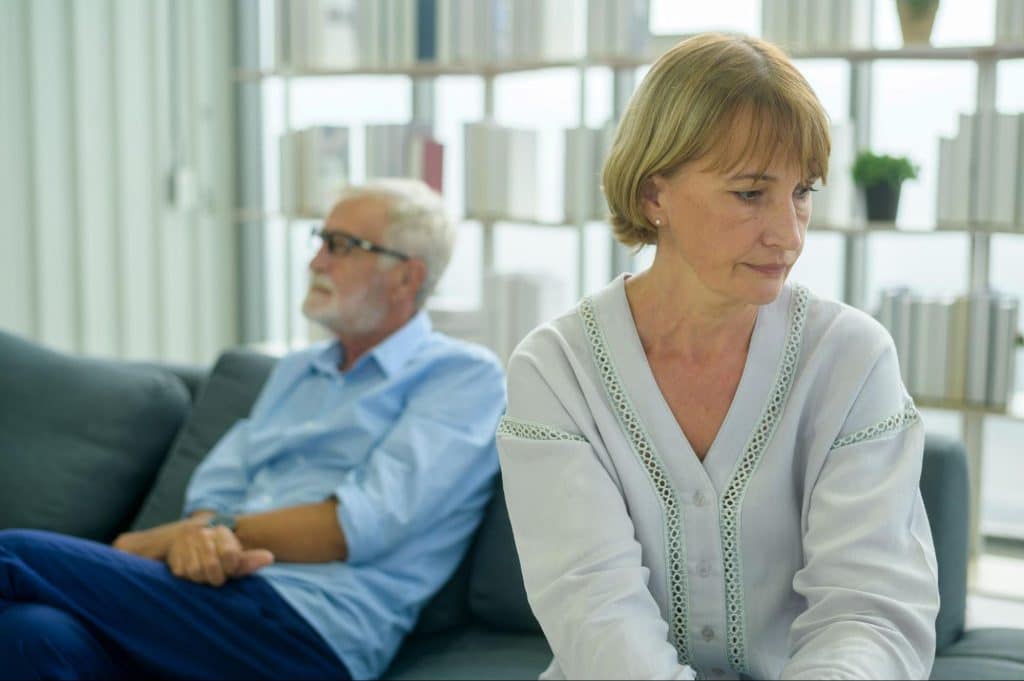
Marriage introduces chronic fatigue through responsibility. Dating rarely tests endurance. The skill is staying emotionally available despite low energy. Withdrawal under fatigue erodes trust. Marriage requires engagement even when depleted. Attraction cannot compensate here.
Handling Conflict Without Exit Options

Dating permits disengagement when conflict escalates. Marriage removes that escape. The skill becomes staying present through discomfort. Avoidance compounds tension over time. Marriage requires tolerance for unresolved moments. This capacity develops only through experience.
Translating Intent Into Reliable Action

Dating often rewards good intent. Marriage evaluates outcomes. The skill is aligning intention with follow-through. Repeated misalignment weakens confidence. Marriage depends on reliability more than explanation. Attraction once softened this gap.
Adjusting Behavior Instead of Defending Character

Dating allows identity defense to resolve tension. Marriage requires behavioral adjustment. The skill is changing patterns rather than justifying them. Defensiveness delays resolution. Marriage values correction over justification. Attraction once made defense feel acceptable.
Tracking Emotional Impact Over Time

Dating focuses on immediate response. Marriage accumulates emotional memory. The skill is noticing patterns, not moments. Small impacts compound quietly. Marriage requires long-range emotional awareness. Attraction masks this effect early on.
Staying Engaged During Mundane Seasons
Marriage includes long periods without emotional payoff. Dating rarely did. The skill is consistency without reward. Engagement during routine builds security. Disengagement creates drift. Attraction cannot substitute for steadiness.
Managing Expectations Explicitly

Dating often avoids explicit expectations. Marriage requires them. The skill is articulating needs clearly. Assumptions create conflict. Marriage operates on clarity. Attraction allows ambiguity; marriage does not.
Balancing Autonomy With Obligation

Dating privileges autonomy. Marriage introduces obligation. The skill is integrating both without resentment. Resistance appears when autonomy is prioritized unconsciously. Marriage requires conscious balance. Attraction never forced this integration.
Repairing Damage Instead of Minimizing It

Dating often minimizes emotional damage to preserve ease. Marriage requires repair. The skill is addressing harm directly. Unrepaired damage accumulates. Marriage depends on restoration. Attraction once distracted from repair.
Re-Aligning as Circumstances Change

Life stages reshape needs. Dating rarely lasted long enough to require re-alignment. Marriage demands periodic recalibration. The skill is adapting roles and expectations. Fixed assumptions fail over time. Attraction does not adjust systems.
Accepting Responsibility Without Resentment

Marriage formalizes responsibility. The skill is accepting it without framing it as loss. Resentment erodes cooperation. Acceptance stabilizes partnership. Attraction delayed this reckoning. Marriage makes it unavoidable.
Why These Skills Feel Unexpected

These skills are not taught explicitly. Dating environments do not require them. Men often assume commitment will activate capability automatically. Marriage reveals that capability must be learned. The surprise comes from timing, not unwillingness. Skill gaps feel personal because they appear late.
What Changes Once Skills Are Recognized

Recognition reframes frustration. Men stop interpreting difficulty as failure. Skills become learnable rather than mysterious. Effort becomes targeted rather than exhausting. Marriage feels more navigable once requirements are named. Clarity replaces confusion.
When Attraction Is No Longer the Foundation

Attraction opens relationships. Skill sustains them. Marriage redistributes responsibility from feeling to function. This shift does not diminish romance; it stabilizes it. Men who recognize the skill gap adapt faster. Marriage runs on capability long after chemistry fades.
What Marriage Ultimately Depends On

Marriage depends on skills attraction never had to provide. These skills are practical, repeatable, and structural. They do not replace attraction, but they outlast it. Relationships fail less from lack of feeling than lack of function. Marriage rewards skill long after the spark fades.







Ask Me Anything