
Wisdom doesn’t automatically show up with birthdays or life milestones. Plenty of people grow older without ever growing clearer. Real wisdom tends to arrive after mistakes you swore you wouldn’t make, relationships that changed you, and moments where reality didn’t match your expectations. It’s earned through lived experience—often uncomfortable, humbling, and eye-opening.
The people who seem grounded aren’t luckier or smarter; they simply paid attention when life taught them something hard. If you can recognize these lessons earlier, you don’t just gain insight—you save yourself years of emotional wear and tear.
1. Experience Teaches Faster Than Advice Ever Will

You can read every book, listen to every podcast, and still not get it until life forces the lesson on you. Advice sounds logical when nothing is at stake, but experience hits when emotions, consequences, and reality collide. That’s why people repeat the same mistakes even after being warned. The key isn’t to avoid mistakes altogether—it’s to slow down and actually extract the lesson when one happens. Ask what it cost you, what you ignored, and what you’ll do differently next time. Wisdom comes from reflection, not just survival.
2. Being Busy Isn’t the Same as Making Progress

3. People Reveal Who They Are Through Patterns, Not Promises

Words are easy, especially when someone wants something from you. Real character shows up in repeated behavior over time. Wisdom is learning to stop explaining away red flags because someone “means well” or had a bad day. If the same issue keeps resurfacing, that’s information, not bad luck. Pay attention to consistency, not charm. Believing patterns instead of excuses saves you from years of unnecessary disappointment.
4. Boundaries Are Kinder Than Resentment
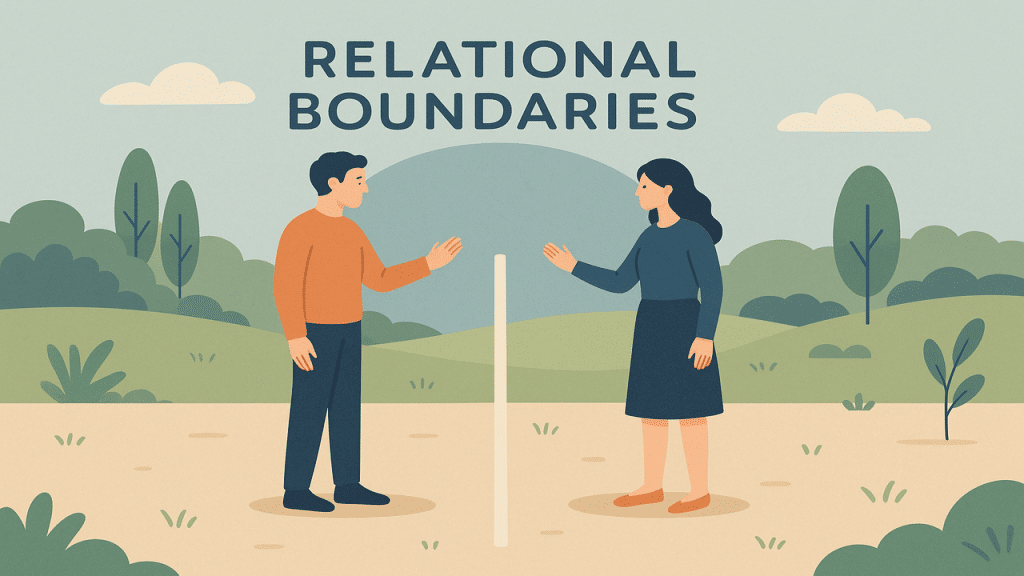
Many people avoid setting boundaries because they fear conflict or guilt. What they don’t realize is that unspoken resentment eventually damages relationships far more. Wisdom teaches you that clear limits protect both you and others. Saying no early prevents emotional blowups later. Boundaries aren’t punishments—they’re instructions for how to treat you. When you communicate them calmly and consistently, the right people adjust, and the wrong ones reveal themselves.
5. You Can’t Fix Someone Who Won’t Fix Themselves

One of the hardest lessons to learn is that love, effort, and patience don’t guarantee change. You can support someone without carrying their responsibility. Wisdom is knowing the difference between helping and enabling. If someone keeps repeating the same harmful behaviors without accountability, that’s their choice. Letting go doesn’t mean you failed—it means you respected reality. Save your energy for people who actually want to grow.
6. Comfort Can Quietly Kill Your Potential

Comfort feels safe, but it often keeps you stuck. Many people stay in unfulfilling jobs, relationships, or routines simply because they’re familiar. Wisdom teaches you that discomfort is often the price of growth. If nothing challenges you, nothing changes. That uneasy feeling is usually a signal, not a warning. Learning to tolerate short-term discomfort for long-term gain is a defining trait of wise people.
7. Not Everyone Deserves Access to Your Inner World

Oversharing often comes from a desire for connection, but wisdom teaches discernment. Some people collect your vulnerabilities without respecting them. Trust should be built gradually, not handed out emotionally. Pay attention to how people respond when you open up—do they listen, judge, minimize, or gossip? Protecting your emotional space isn’t being guarded; it’s being intentional. Depth belongs where safety exists.
8. Financial Stress Is Often Emotional, Not Just Mathematical

Money problems aren’t always about income—they’re often about habits, impulses, and avoidance. Wisdom teaches you to look at your emotional relationship with spending, saving, and security. Many people spend to soothe stress or avoid discomfort. Learning to pause before purchases and plan instead of react changes everything. Small, consistent financial discipline beats dramatic short-term fixes. Peace with money starts with awareness.
9. Rest Is a Requirement, Not a Reward

Burnout doesn’t come from working hard—it comes from never stopping. Wisdom reframes rest as maintenance, not laziness. When you ignore exhaustion, your body eventually forces you to slow down in worse ways. Rest improves judgment, patience, and emotional regulation. Scheduling downtime is a sign of maturity, not weakness. Sustainable success always includes recovery.
10. Silence Often Says More Than an Argument

Not every situation needs a response or explanation. Wisdom teaches you that disengaging can be more powerful than defending yourself. Arguments often escalate when egos want to be right rather than understood. Sometimes silence reveals the truth faster than words ever could. Pay attention to what people do when you stop reacting. Clarity often arrives when you step back.
11. Self-Respect Changes Who Stays in Your Life

The way you treat yourself sets the tone for how others treat you. Wisdom grows when you stop tolerating disrespect just to keep the peace. Raising your standards may shrink your circle, but it strengthens your life. People who benefit from your lack of boundaries will push back. Those who respect you will adjust. Self-respect always filters your relationships.
12. Growth Feels Lonely Before It Feels Empowering

Outgrowing old versions of yourself often means outgrowing familiar people and routines. Wisdom acknowledges that this transition can feel isolating. You may question your decisions before you see the payoff. This discomfort doesn’t mean you’re wrong—it means you’re changing. Stay aligned with your values during the quiet phase. Confidence follows consistency.
13. Happiness Is Built More Than It’s Found

Waiting to feel happy before making changes keeps people stuck. Wisdom teaches that happiness is often the result of habits, structure, and responsibility. Taking care of your health, finances, and relationships creates stability. Joy grows from daily choices, not dramatic breakthroughs. Focus on what you can control consistently. Fulfillment compounds over time.
14. Apologies Don’t Matter Without Changed Behavior

Words lose meaning when actions stay the same. Wisdom teaches you to look for effort, not remorse. A sincere apology includes accountability and follow-through. If someone keeps repeating the same harm, their apology is just damage control. Apply this lesson to yourself as well. Real growth shows up in different choices.
15. You Teach People How to Treat You

Every time you accept something silently, you reinforce it. Wisdom teaches you that tolerating poor treatment isn’t kindness—it’s instruction. Speak up early, calmly, and clearly. Small course corrections prevent big breakdowns. Respect isn’t demanded; it’s reinforced through consistency. What you allow becomes the standard.
16. Most Regret Comes From What You Didn’t Do

With time, missed chances sting more than failed attempts. Wisdom reframes failure as information, not embarrassment. Trying and falling short teaches you far more than playing it safe. Fear shrinks when you act despite it. Take calculated risks aligned with your values. Regret loses power when you show up fully.
17. Wisdom Is Paying Attention—and Adjusting

The wisest people aren’t perfect; they’re responsive. They notice patterns, listen to feedback, and course-correct. Wisdom is humility in action. Life keeps teaching the same lessons until you apply them. Growth happens when you stop blaming circumstances and start adjusting behavior. Awareness without change isn’t wisdom—it’s observation. Real wisdom shows up in how you live differently next time.








Ask Me Anything