
Long-term love rarely collapses after 40. Instead, it settles into something denser. The excitement does not disappear, but it becomes layered under responsibility, memory, and consequence. Love is no longer carried alone; it carries history with it. Men often feel this shift without language for it. What once felt energizing begins to feel weight-bearing. That weight is not failure, it is accumulation.
Love Starts Carrying Consequences, Not Just Feelings

In earlier years, love feels reversible. After 40, decisions echo longer. Choices affect families, finances, health, and futures. Love is no longer just emotional, it is structural. Men feel the pressure of impact. Affection now includes consequences. Weight replaces freedom.
Every Argument Feels Heavier Because There’s More at Stake

Conflict once felt recoverable. Now it threatens stability, not just mood. Disagreements touch livelihoods, routines, and dependents. Men sense the cost before speaking. Silence can feel safer than resolution. Love absorbs caution. Tension carries gravity.
Walking Away No Longer Feels Clean

Leaving once felt like an option. After 40, it feels like dismantling. Lives are intertwined deeply. The emotional cost is joined by logistical fallout. Men feel trapped between unhappiness and disruption. Love feels heavier because exits are heavier. Commitment gains mass.
Stability Becomes a Responsibility, Not a Bonus

Stability once felt like a reward. Now it feels like something to maintain. Men carry the pressure of keeping things intact. Stability demands vigilance. When stability wavers, anxiety replaces romance. Love becomes load-bearing.
Love Absorbs Unspoken Fatigue
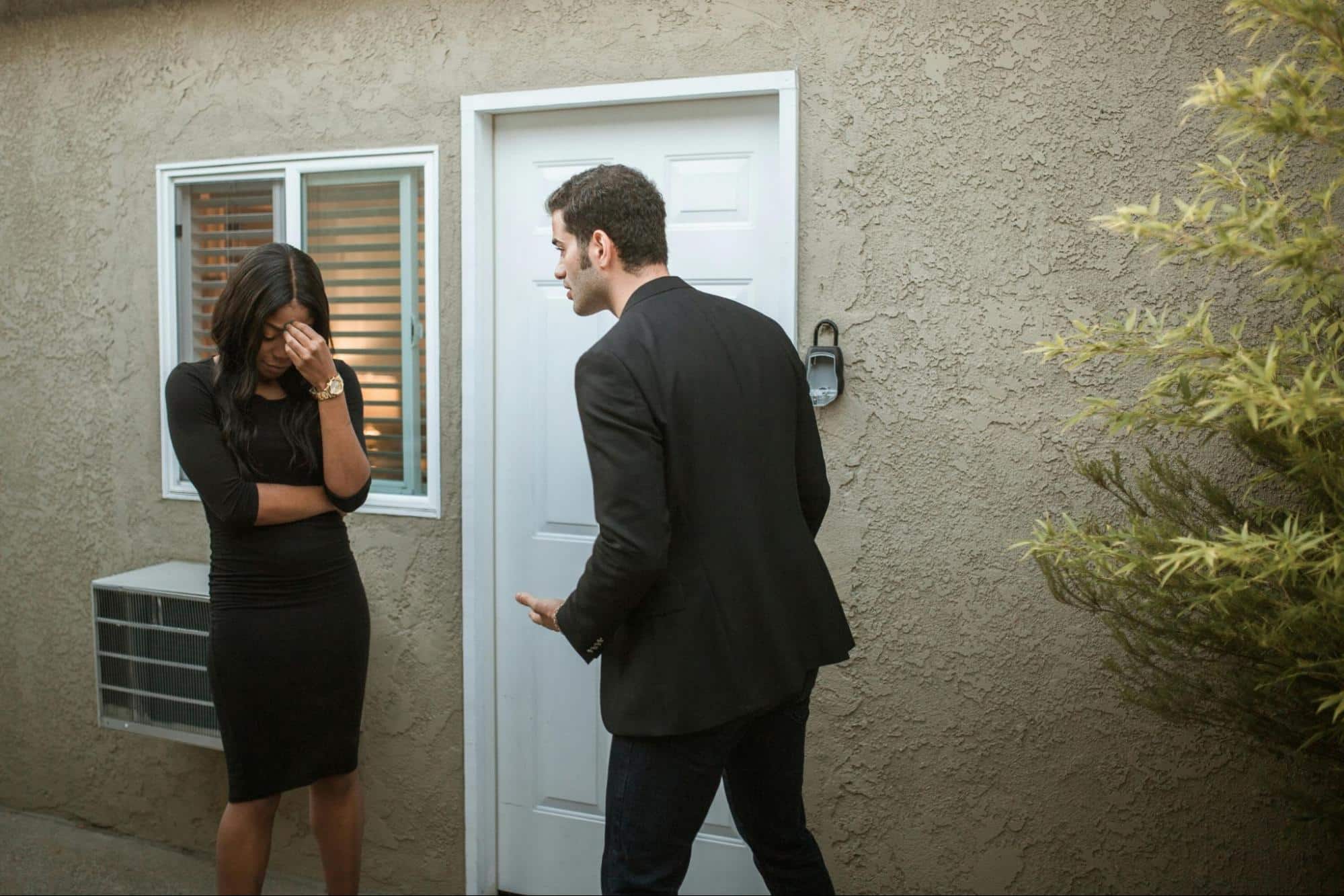
Midlife carries exhaustion that has nothing to do with the relationship. Work, aging parents, health concerns, and routine wear stack silently. Love becomes the container for this fatigue. Men feel tired without knowing why. Emotional energy thing. Affection competes with depletion.
Emotional Resilience Gets Used Up Faster

Emotional tolerance shrinks with time. What was once manageable becomes draining. Men feel less capacity to navigate emotional complexity. Love does not diminish, but bandwidth does. Patience wears thinner. Weight accumulates through repetition.
Carrying More Without Talking About It Becomes Normal
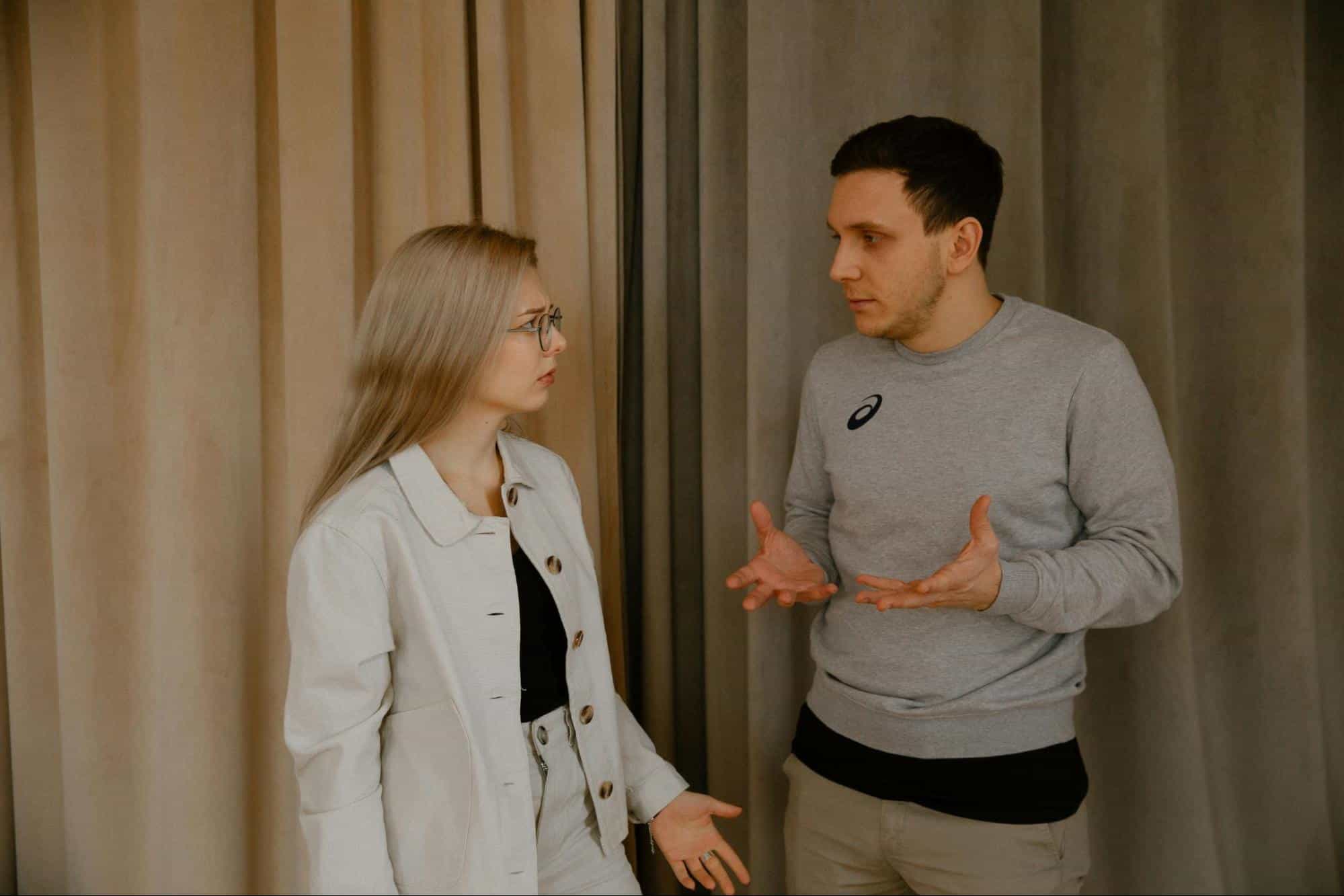
Men often carry stress internally. Over time, this becomes a habit. Love becomes the place where burdens are stored rather than shared. Silence feels functional but isolating. Weight increases without release. The relationship holds what is never named.
Joy Feels Quieter, Not Louder

Joy still exists, but it no longer announces itself. Moments of happiness feel brief and understated. Men may mistake this quietness for absence. Love shifts from thrill to steadiness. Subtle joy replaces overt excitement. Weight settles alongside warmth.
History Changes How Everything Is Interpreted

After decades together, nothing happens in isolation. Every moment carries context. Past conflicts color present reactions. Men feel this layering instinctively. Love feels heavier because memory is always present. Nothing lands cleanly anymore.
Forgiveness Becomes More Complex

Forgiveness used to feel decisive. Now it feels layered. Old wounds fade but never vanish completely. Men sense unresolved residue even after reconciliation. Love holds forgiveness and memory together. The resolution feels partial. Weight remains.
Effort Feels Necessary, Not Optional

Love after 40 does not run on momentum. It requires intentional upkeep. Effort becomes a constant expectation. Men feel the pressure to maintain connection. When effort drops, guilt rises. Love feels heavier because it requires management.
Romance Competes With Practical Reality

Bills, schedules, and obligations dominate daily life. Romance becomes something to fit in rather than lead with. Men feel the trade-off sharply. Love adapts to reality rather than escaping it. Practicality weighs on intimacy. Weight replaces spontaneity.
Calm No Longer Feels Reassuring, It Feels Flat

Peace once felt earned. Now it can feel emotionally thin. Men notice calm without connection. Stability exists, but vitality feels muted. Love feels heavier when calm lacks aliveness. Silence fills space without warmth. Comfort replaces engagement.
Doing “Everything Right” Still Feels Unsatisfying

Men follow responsibilities faithfully. They show up, provide, and remain present. Yet fulfillment feels incomplete. Love feels heavier when effort does not translate into satisfaction. There is no clear failure, only absence. Doing right does not always feel right.
Growth Feels Riskier Than Staying Still

Change disrupts stability. After 40, disruption feels costly. Men hesitate to grow emotionally if it threatens balance. Love feels heavier when growth feels dangerous. Staying still becomes safer than evolving. Weight favors preservation.
Love Feels Like Something to Protect, Not Explore

Exploration gives way to protection. Men focus on guarding what exists. Risk feels irresponsible. Love shifts from discovery to defense. This creates safety, but also stagnation. Weight grows through caution.
Men Feel the Weight but Don’t Share It
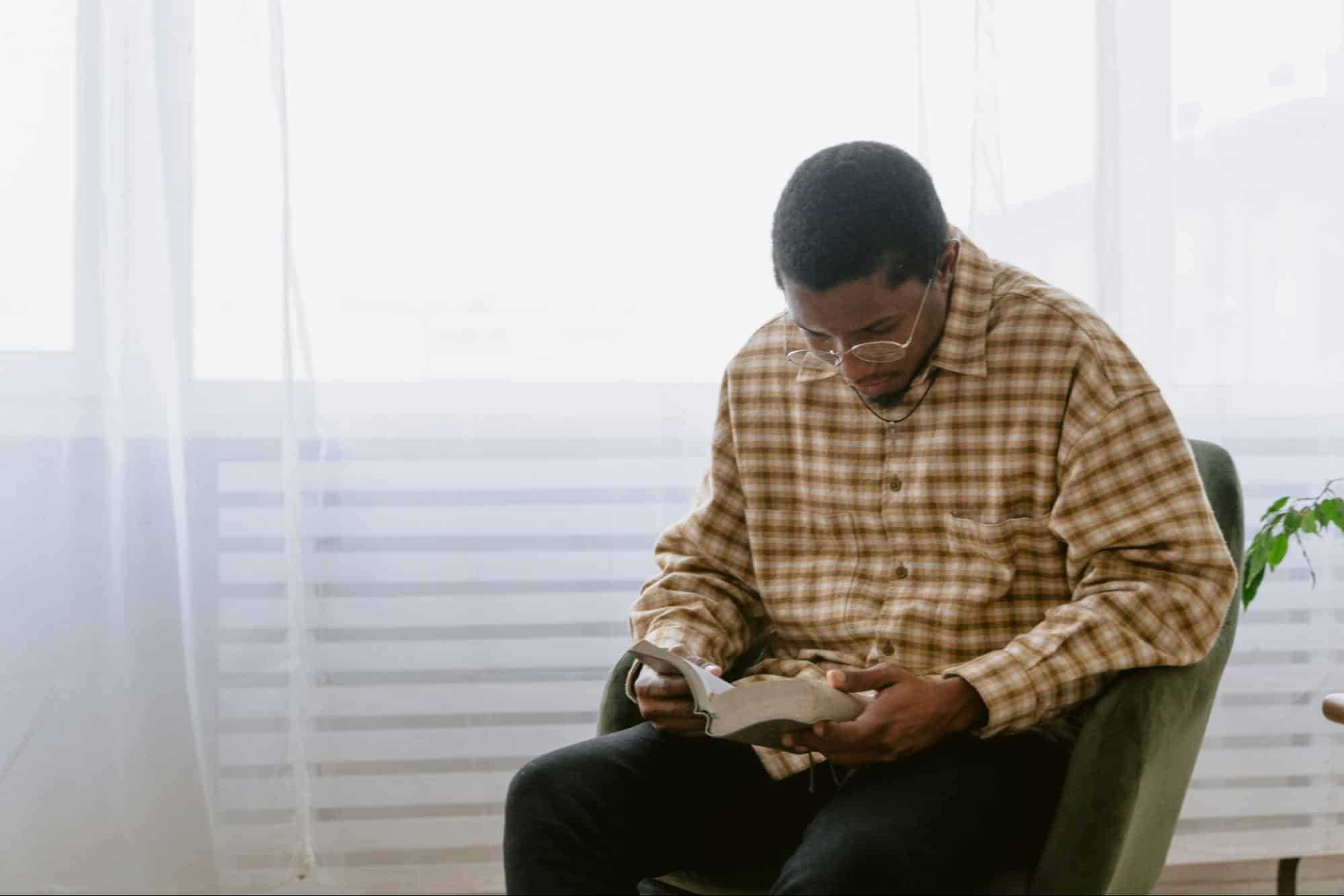
There is little language for this heaviness. Men rarely discuss it openly. Complaining feels disloyal. Silence feels responsible. Love becomes heavy because it is carried alone. The burden remains internal.
Gratitude Coexists With Quiet Resentment

Men feel thankful for stability and loyalty. At the same time, they feel constrained. These feelings coexist uncomfortably. Love feels heavier when gratitude and resentment overlap. Neither fully resolves the other. Emotional complexity thickens.
Fulfillment Feels Like an Unclear Expectation

Men sense something missing but cannot define it. Wanting more feels unreasonable. Love feels heavy when fulfillment lacks shape. Desire becomes abstract. Satisfaction feels postponed indefinitely.
There Is No Clear Language for This Stage of Love

Early love has vocabulary. Midlife love does not. Men struggle to articulate this phase. Love feels heavier when it cannot be named. Silence fills the gap where language should be. Weight grows in the absence of words.
What This Heaviness Actually Means

Heaviness does not mean love is broken. It means love is carrying more than it used to. After 40, love absorbs time, responsibility, history, and consequence. Men feel this shift privately and often without validation. The weight is not proof of failure, it is proof of longevity. Love does not disappear; it densifies.
When Love Becomes Something You Carry, Not Just Feel

Long-term love stops floating and starts grounding. It anchors lives rather than lifting them. This weight can feel isolating, confusing, or quietly exhausting. But it also means love has survived time. What feels heavy is often what has endured. Understanding that weight changes how it is carried.








Ask Me Anything