
Most relationship truths are not ignored outright. They are quietly postponed through logic, responsibility, and habit. Men often reach clarity only after a long internal accounting process. Each calculation weighs comfort against consequence, stability against honesty. These thoughts are rarely spoken aloud because they feel disruptive. Instead, they remain internal until silence itself becomes the answer.
How Much Discomfort Can Be Tolerated Long-Term

Discomfort often arrives gradually rather than dramatically. Small frustrations are measured against daily stability. Men frequently ask whether discomfort is temporary or permanent. The calculation favors endurance when disruption feels costly. Over time, tolerance becomes routine rather than choice. Truth is delayed through quiet accommodation.
Whether Stability Is Worth Emotional Compromise

Stability offers predictability, routine, and reduced risk. Emotional compromise feels manageable when life otherwise functions well. Men often weigh emotional fulfillment against practical order. The question becomes whether wanting more is reasonable. Stability can quietly overshadow dissatisfaction. This calculation delays confrontation with deeper needs.
How Much Has Already Been Invested

Time, effort, and shared history carry weight. Investment becomes part of the equation. Leaving or confronting the truth can feel like erasing years of work. Men often measure future uncertainty against past contributions. This calculation reinforces staying put. Truth feels expensive when history is heavy.
Whether Things Are “Bad Enough” Yet

Clarity is postponed until conditions feel undeniable. Men often wait for a threshold moment. As long as daily life remains functional, truth feels premature. This calculation favors delay over decisiveness. Emotional dissatisfaction is minimized until it demands attention. Truth waits for justification.
What Will Change If the Truth Is Spoken

Every truth carries imagined consequences. Men often rehearse potential outcomes internally. Will honesty improve connection or create instability? The risk of escalation influences silence. If outcomes feel uncertain, restraint wins. Truth is delayed by unanswered questions.
Whether Conflict Is Worth the Emotional Cost

Conflict requires emotional energy and vulnerability. Men often assess whether the cost outweighs the benefit. Peace can feel preferable to emotional strain. Over time, avoidance becomes normalized. This calculation favors short-term calm. Long-term consequences remain unaddressed.
How Much Emotional Labor Will Follow

Truth rarely resolves itself instantly. Men anticipate discussions, reactions, and ongoing effort. The emotional workload feels daunting. Silence feels efficient by comparison. This calculation prioritizes emotional conservation. Truth is postponed through exhaustion.
Whether Silence Is Being Mistaken for Harmony

Quiet environments can feel deceptively peaceful. Men may assume absence of conflict equals alignment. Over time, emotional distance becomes invisible. This calculation delays awareness. Silence is interpreted as balance. Truth remains unspoken.
Who Else Will Be Affected by Honesty

Truth rarely affects only one person. Men often consider family, children, and shared obligations. Responsibility broadens the emotional equation. Personal fulfillment feels secondary to collective impact. This calculation reinforces restraint. Truth is delayed in favor of duty.
Whether Wanting More Is Justified
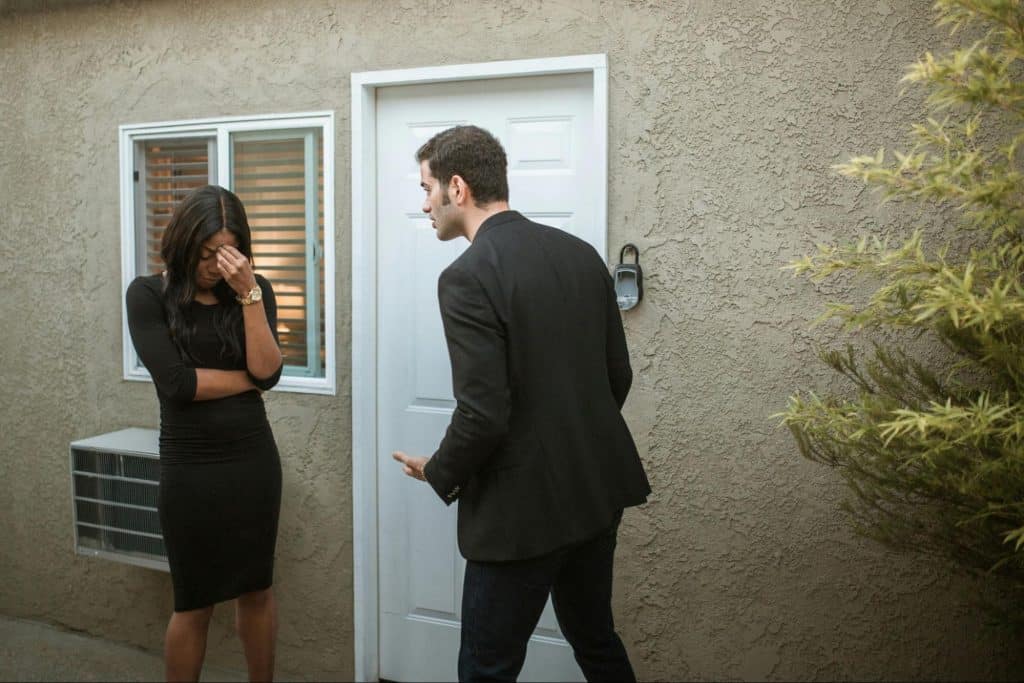
Desire is questioned internally before being expressed. Men often debate whether dissatisfaction is reasonable. Gratitude and obligation complicate clarity. Wanting more can feel selfish. This calculation suppresses expression. Truth waits for permission.
How Identity Has Become Tied to the Relationship

Roles solidify over time. Provider, partner, and stabilizer identities form. Men assess what truth would mean for self-concept. Change threatens familiarity. This calculation favors continuity. Truth feels destabilizing.
Whether Change Is Still Possible

Hope quietly influences decisions. Men often believe improvement might still happen. Potential becomes a reason to delay clarity. As long as change seems possible, truth is postponed. This calculation relies on optimism. Reality remains unexamined.
Whether the Relationship Matches the Original Vision

Expectations formed early often linger unexamined. Men compare present reality to initial assumptions. Discrepancies are rationalized over time. This calculation weighs acceptance against disappointment. Vision quietly shifts to fit reality. Truth remains adjusted.
How Long Things Have Felt “Off”
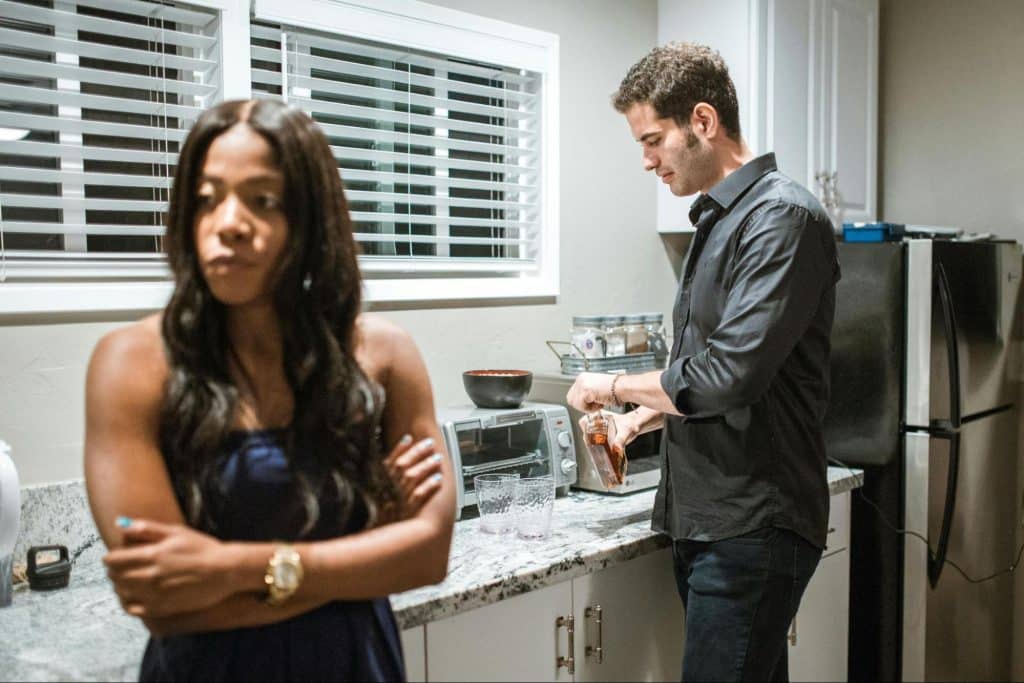
Duration matters more than intensity. Men mentally track how long dissatisfaction has existed. Temporary phases feel manageable. Long patterns feel harder to dismiss. This calculation moves slowly. Awareness builds without action.
Whether Emotional Distance Has Become Normal

What once felt concerning now feels familiar. Emotional distance becomes part of routine. Men assess whether this is sustainable. Normalization delays urgency. Truth loses immediacy. Distance becomes tolerated.
If Facing Truth Means Admitting Finality

Some truths feel irreversible. Men weigh whether acknowledgment closes doors permanently. Finality carries emotional weight. This calculation often delays action longest. Truth feels like an ending. Silence extends possibility.
When the Math Stops Working

Eventually, internal calculations lose balance. The cost of silence outweighs the comfort it once provided. Truth surfaces not through impulse, but exhaustion. Facing reality becomes less painful than avoiding it. This moment rarely feels dramatic. It feels clear.








Ask Me Anything