
You can tell a lot about how a man sees his wife by how he speaks to her when no one is watching. Disrespect rarely starts loud or dramatic; it usually sneaks in through everyday words that sound harmless at first. Over time, those words change the tone of the marriage, the balance of power, and how safe either of you feels being honest. If some phrases feel familiar, your gut is probably already trying to tell you something. This is not about demonizing men; it is about calling out patterns that quietly rot relationships from the inside.
“You’re overreacting.”

This phrase is less about calm logic and more about shutting down the conversation. It tells her that her feelings are inconvenient, exaggerated, or simply not worth addressing. Over time, it trains her to doubt her own reactions while he avoids accountability. Ask yourself this honestly: when was the last time you paused to understand instead of dismiss? Minimizing emotions is not strength; it is emotional laziness.
“You’re too sensitive.”

This one sounds mild, but it lands hard. It frames empathy as a flaw and emotional awareness as weakness. Instead of owning his tone or behavior, he shifts the problem onto her personality. If you keep saying this, you are not solving anything; you are teaching her that honesty comes with consequences. A man who values his wife wants clarity, not silence.
“That’s a stupid idea.”
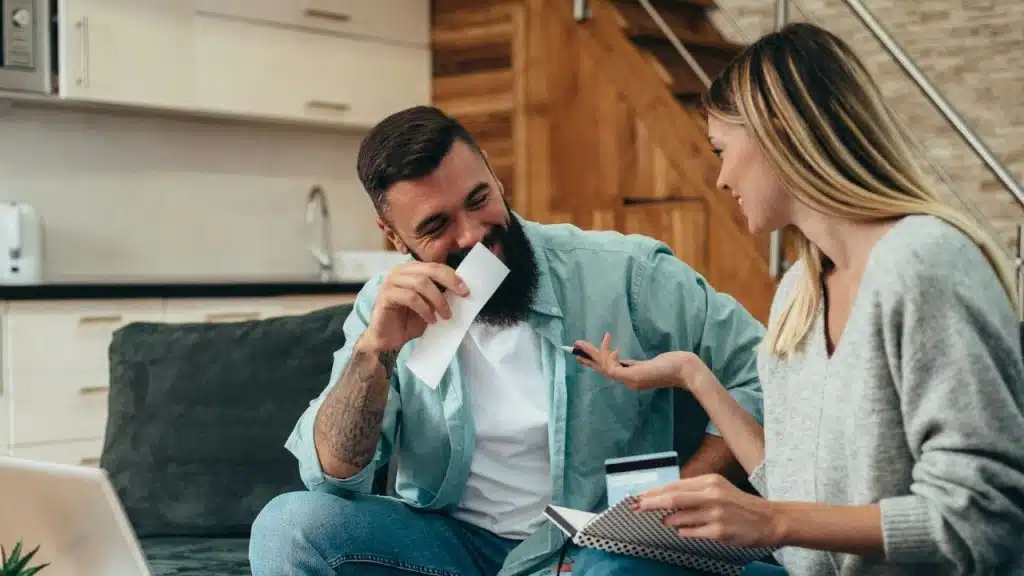
Belittling her thoughts is a fast way to erode respect. Even if you disagree, attacking the idea instead of discussing it sends a clear message about whose input matters. Over time, she stops offering opinions because it feels pointless or risky. Ask yourself why disagreement feels like a threat instead of an opportunity. Valuing someone means taking their ideas seriously, even when you do not adopt them.
“Why are you making such a big deal out of this?”

This phrase works like a verbal shrug. It avoids the issue by implying that the issue itself is the problem. What it really says is that her discomfort is not worth the effort it takes to address it. When this becomes a habit, small problems turn into long-term resentment. You do not get to decide what matters to someone else.
“You should just let it go.”

Sometimes this is reasonable advice; often it is an escape hatch. It usually shows up when accountability feels uncomfortable. Instead of resolving the issue, he pushes her to bury it so he can stay comfortable. Ask yourself whether you are actually trying to move forward or just end the conversation. Peace built on avoidance never lasts.
“You’re always complaining.”

This phrase reframes valid concerns as character flaws. It suggests that the problem is her voice, not the issues she is raising. Over time, it makes her feel like speaking up is nagging rather than participating in the marriage. A man who values his wife listens for patterns, not tone. If the same complaint keeps coming up, maybe the complaint itself isn’t the problem.
“I don’t have time for this right now.”

Everyone needs space sometimes, but timing matters. When this becomes the default response, it signals that her needs are permanently lower priority. Eventually, she stops bringing things up because the door is always closed. Ask yourself when the right time ever actually comes. Making time is a choice, not a schedule issue.
“That’s just how I am.”

This phrase hides behind identity to avoid growth. It treats harmful behavior as fixed instead of fixable. When you value your wife, you stay open to adjusting how you show up. Relationships demand flexibility, not stubborn self-protection. Growth does not mean losing yourself; it means refining yourself.
“You wouldn’t understand.”

This creates distance instead of partnership. It assumes superiority and shuts her out of decisions, struggles, or emotions. Over time, it turns the marriage into parallel lives instead of shared ground. Ask yourself: are you protecting clarity or control? Being understood requires effort, not dismissal.
“You’re remembering it wrong.”
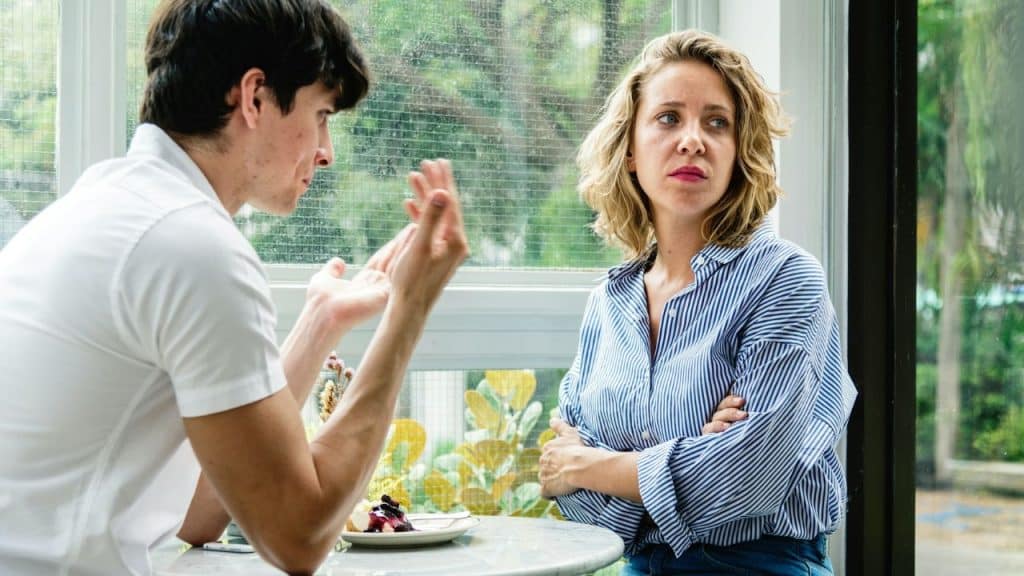
This phrase quietly undermines trust. It questions her reality instead of addressing the issue at hand. When used repeatedly, it makes her second-guess her own memory and instincts. Disagreements about perception are normal; denying experiences is not. A man who values his wife respects her perspective, even when it differs from his own.
“I already said I’m sorry, what more do you want?”

This treats apology as a transaction instead of a repair. It focuses on ending discomfort rather than restoring trust. A real apology changes behavior, not just tone. Ask yourself if you want forgiveness or resolution. Valuing your wife means caring about the impact, not just the words.
“You’re just trying to start a fight.”

This shifts blame and avoids engagement. It turns her attempt at communication into an accusation. Over time, it makes her feel like any hard conversation is dangerous territory. Conflict is not the enemy; unresolved resentment is. A strong marriage can handle friction without turning it into warfare.
“That’s not my problem.”

Few phrases shut down partnership faster than this one. Marriage means shared responsibility, even when the issue does not directly affect you. This mindset turns a team into two individuals keeping score. Ask yourself if you are protecting boundaries or avoiding involvement. Valuing your wife means recognizing that her problems matter because she matters.
“You should be grateful.”

Gratitude is powerful, but weaponized gratitude is control. This phrase implies that effort, provision, or loyalty cancels out emotional responsibility. It keeps the power imbalance intact by framing her needs as entitlement. Appreciation should be mutual, not a bargaining chip. A healthy marriage does not run on guilt.
“I don’t need your opinion.”

This is often the final stage of disengagement. It signals that the partnership has been replaced by unilateral decision-making. When opinions are no longer welcome, connection quickly follows. Ask yourself when collaboration turned into an inconvenience. Valuing your wife means treating her input as essential, not optional.








Ask Me Anything