
You can have the perfect words, killer jokes, and a voice that commands attention, but if your body language is off, all that charm goes to waste. People pick up on tiny cues, sometimes before you even open your mouth. In dating, networking, or even casual hangouts, this silent signal can ruin your chances before you get to the good stuff. The funny part is, you might think you look relaxed and confident, but your body is saying the opposite.
Crossing Your Arms or Legs Too Often

When you cross your arms or legs, it signals defensiveness or discomfort, even if you’re speaking with authority. People read it as a barrier, like you’re keeping them out. In dating, it can make you look closed off and uninterested. Instead, keep your posture open, with your chest relaxed and shoulders back. You don’t need to exaggerate, just subtle openness works. Even slightly uncrossed legs and relaxed arms can make you look approachable. Small adjustments here can make a huge difference in how your energy is perceived.
Avoiding Eye Contact

Not looking someone in the eyes screams insecurity. You might think glancing away is polite or humble, but it often comes across as nervous or untrustworthy. Strong communication relies on steady eye contact, but not staring aggressively. A simple tip is to focus on the bridge of the nose or just above the eyes if direct contact feels intense. Practice holding attention during conversation to show that you are present and confident. Eye contact builds connection instantly and makes your words feel more powerful.
Slouching or Poor Posture

Slouching tells everyone you’re not fully invested in the conversation or the moment. Good posture signals strength and self-assurance without saying a word. Stand tall, shoulders back, chest open, and keep your weight evenly balanced. Even while sitting, lean slightly forward to show engagement. Poor posture can undermine everything you’re saying, no matter how clever your words are. The way you carry yourself sets the tone before a single word is exchanged.
Fidgeting or Playing With Objects
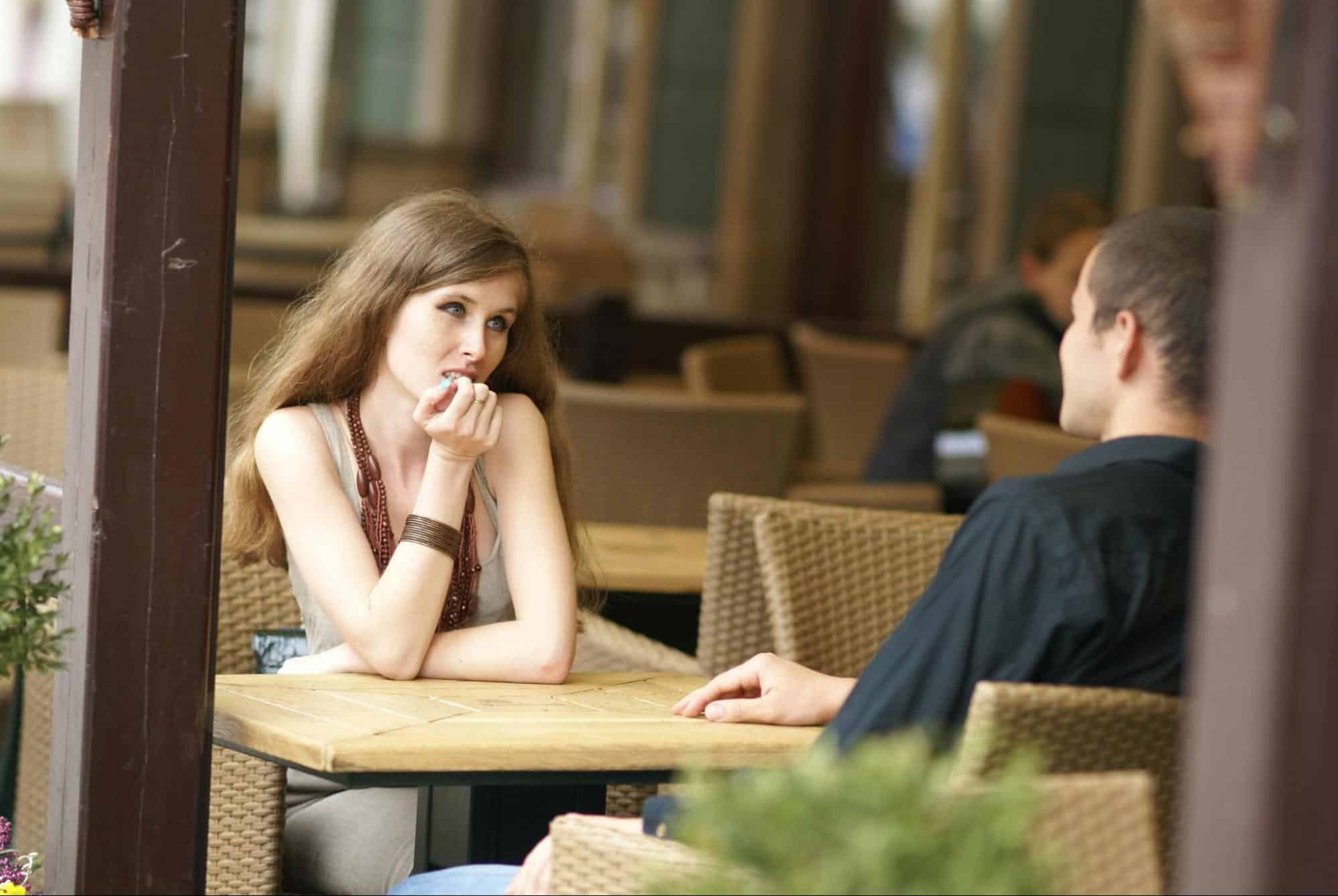
Tapping your foot, twirling your pen, or constantly adjusting your watch signals nervous energy. It distracts people from your message and makes you look uncertain. Instead, practice controlled gestures and stillness. Use your hands intentionally when emphasizing points. Pausing briefly without movement shows calm and authority. When you slow down your motions, you give off a relaxed, confident vibe.
Touching Your Face Constantly

Rubbing your nose, covering your mouth, or scratching your chin too much signals anxiety. Even subtle face-touching can make you appear self-conscious. Keep your hands at your sides or use gestures to enhance your speech instead. Being aware of this habit takes time but drastically improves perceived confidence. People respond more to smooth, intentional actions than restless movements.
Leaning Back Too Much

Leaning back in a chair with arms stretched or slouched communicates detachment or arrogance rather than confidence. Leaning too far away can make it seem like you’re disinterested or not engaged. A better approach is to lean slightly forward, showing that you’re listening and present. Subtle weight shifts convey interest and assertiveness. People naturally gravitate toward those who seem engaged but composed.
Standing Too Close or Too Far

Invading personal space can make people uncomfortable, while staying too far away can feel distant or insecure. Reading cues and adjusting your distance matters. In dating or conversation, aim for a comfortable zone that feels natural for both parties. Confident body language includes knowing your boundaries and respecting others’. The sweet spot shows self-awareness and ease.
Weak Or Hesitant Handshakes

A limp handshake communicates a lack of confidence and leaves a lasting first impression. A strong but not crushing grip communicates assertiveness. Match the energy of the person you meet and maintain eye contact. The handshake sets the stage for the conversation. Confidence starts with the first touch and extends to the way you carry yourself afterward.
Avoiding Smiling or Showing Emotion

A blank face or avoiding smiles can make you appear cold or insecure. Showing genuine expression makes you relatable and approachable. Even small smiles when appropriate signal comfort and confidence. Avoid forced grins, but let natural reactions show. People are drawn to emotional authenticity. Smiling opens doors and reinforces what you’re saying verbally.
Mirroring Others Poorly

Mirroring body language builds connection, but overdoing it or failing can backfire. If you mirror awkwardly, it makes you look uncertain or as if you’re trying too hard. Subtle, natural alignment with the other person’s gestures enhances rapport. Confident people move in sync without copying. Pay attention to rhythm and energy instead of exact motions.
Tension in Your Shoulders Or Neck

Tight shoulders or a stiff neck signal stress. Even if you speak with confidence, tension gives away anxiety. Relax your muscles and breathe deeply to appear grounded. Gentle stretching or rolling shoulders before meetings or dates can reset posture. Calm energy communicates that you’re in control.
Hunching Over Devices

Constantly looking at your phone or laptop during interactions signals distraction or insecurity. It undermines the strength of your words. Keep devices aside and maintain open body language. Engaged presence makes you appear confident and attentive. Your focus communicates respect and authority simultaneously.
Overly Closed Hand Gestures

Clenched fists, tightly crossed fingers, or hidden hands can signal fear or uncertainty. Open, relaxed hands make you seem trustworthy and relaxed. Gesturing naturally while talking reinforces your points. Confident men use their hands to emphasize ideas without overdoing it. Open gestures make your message feel alive and credible.
Shifting Weight Constantly

Rocking back and forth or shifting weight too much signals discomfort. Ground yourself with steady, balanced stances. Small adjustments are fine, but avoid restless movements. Stability in stance reinforces calmness and confidence. People notice presence before they notice words.
Rushed Movements or Speaking Too Fast

Hurrying gestures or rapid speech communicate nervous energy. Slow down both your movements and speech to project control. Pausing occasionally emphasizes points and gives you space to breathe. Confident pacing draws attention to what you’re saying. Calm, deliberate motion makes your words land harder.
Not Taking Up Space

Shrinking into yourself or hunching makes you appear small and insecure. Confident men occupy space comfortably without being aggressive. Spread your weight evenly and maintain open limbs. Claiming your physical presence signals self-assurance silently. People respond to space the same way they respond to tone and volume.
Poor Facial Orientation

Turning your face away, avoiding alignment with the person you’re talking to, or inconsistent nodding communicates disinterest. Keep your face oriented toward the speaker and use slight nods to show engagement. Facial alignment reinforces verbal messages and strengthens the connection. Subtle orientation conveys active presence and confidence.








Ask Me Anything