
Marriage is a serious commitment of a lifetime of togetherness that requires consistent effort, good understanding, and loyalty. Unfortunately, many marriages that start out as love-filled partnerships end up in failure or divorce. Deep-seated resentment from unresolved issues, emotional unavailability, emotional, physical, or financial abuse, or betrayal, there are myriad reasons behind divorce. Some problems can be fixed before they break the marriage, while some, like cheating, are non-negotiable. Here are 15 key reasons most marriages break down, as per studies.
Lack of Commitment and Emotional Disengagement

Many marriages fail because there is a lack of commitment and sincerity in upholding their connection. They don’t fully emotionally invest in their marriage, and as time goes on, they lose touch with each other completely. They are physically together but have emotionally checked out.
Infidelity and Breach of Trust

Many marriages fall apart because loyalty is missing. When either of the partners chooses to cheat and betray their partner for fleeting pleasure outside the marriage, the hurt is too immense for the partner being cheated on to overcome it. Even if it was a slip and the one who erred apologizes, sometimes the damage is done and there’s no recovery from then on.
Persistent Financial Problems and Incompatibility

Money-related dissent and issues usually spiral out of control. A mistake many couples whose marriages fail make is that they don’t set clear rules around financial management. This becomes the battleground for so many conflicts, and resentment and hatred gradually chip away at the emotional connection.
Poor Communication or Communication Breakdowns

When communication is not clear and transparent, or one partner constantly dismisses their partner’s concerns or emotions, this leads them to shut down as they don’t feel safe opening up anymore. This makes emotional safety impossible and erodes trust and love.
Growing Apart: Changing Goals, Values, or Interests

As the marriage grows older, one partner may adapt to the changing phases and times in life and focus on their own growth, while one may stay still by not focusing on evolution and self-growth. They may start feeling this difference over the years and it becomes one reason for them drifting apart.
Lack of Intimacy: Emotional or Physical

Intimacy decline is a hallmark of a failing marriage. When two people no longer feel the same love or emotional connection that once brought them together, there’s a decline in physical intimacy as well. When this continues for too long, divorce seems less painful than the pain of being lonely in a marriage.
Frequent Conflict, Constant Arguing, or Unresolved Issues

When your marriage is constantly plagued by conflicts, arguments, or disagreements you can never settle, you start becoming distant without even realizing it. This doesn’t just build resentment and anger but also damages the connection.
Substance Abuse, Addiction, or Alcoholism

Addiction, substance abuse, or even wasteful hobbies like gambling can destroy many homes. These addictions not only bring financial issues but also erode your partner’s trust in you. And at one point, they may give up on you entirely.
Domestic Violence, Emotional or Physical Abuse

Emotional abuse in the form of silent treatment or gaslighting, physical abuse, or any form of financial abuse or constraints can prove extremely detrimental to the overall health of any relationship. Such marriages are bound to fail.
Entering Marriage Too Young or Immaturely

When two young people mistake infatuation for love and rush headfirst into marriage without considering mental compatibility and other factors, over time differences start to arise and not both partners may exhibit the emotional maturity needed to fix the problems.
Unrealistic Expectations and Idealized Views of Marriage

Sometimes a partner may enter a marriage with very high expectations and a fairy-tale kind of love, but when the practicality of life sets in, they can’t cope with the pressure, as they are unwilling to grow out of their wishful mindset. Overreliance, financially, emotionally, or socially, on one partner burns them out, and a sustainable marriage requires a balance between logic and romance.
Differences in Values, Beliefs, or Life Goals (Including Religion, Parenting)

When two people are raised in completely different cultures, their values, faiths, and societal norms or expectations may be poles apart. These differences are hard to overcome unless both partners commit to reaching a middle ground.
Lack of Support From Family, Friends, or Each Other
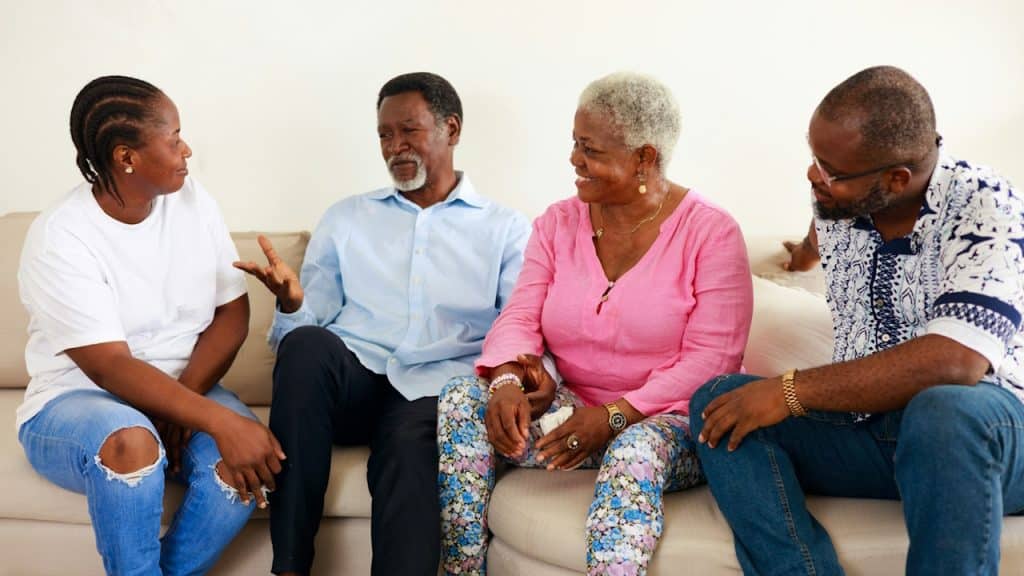
Sometimes external influence or interference, for instance, from extended family or friends, can play a negative role in a couple’s life. Even small matters can become too huge in impact if boundaries aren’t set around external interference.
Health Issues, Mental Illness, or Serious Life Stressors

Many health issues, mental illnesses, depression, or disabilities can ruin a marriage significantly. When two people vow to spend a lifetime together, such challenges should make them grow closer as a team rather than distant.
Lack of Growth, Personal Change, or Stagnation

With time, one spouse grows while the other stays stagnant in terms of growth. They may no longer feel mentally compatible. When they lose a shared vision for the future, they start drifting apart.
Final Thoughts
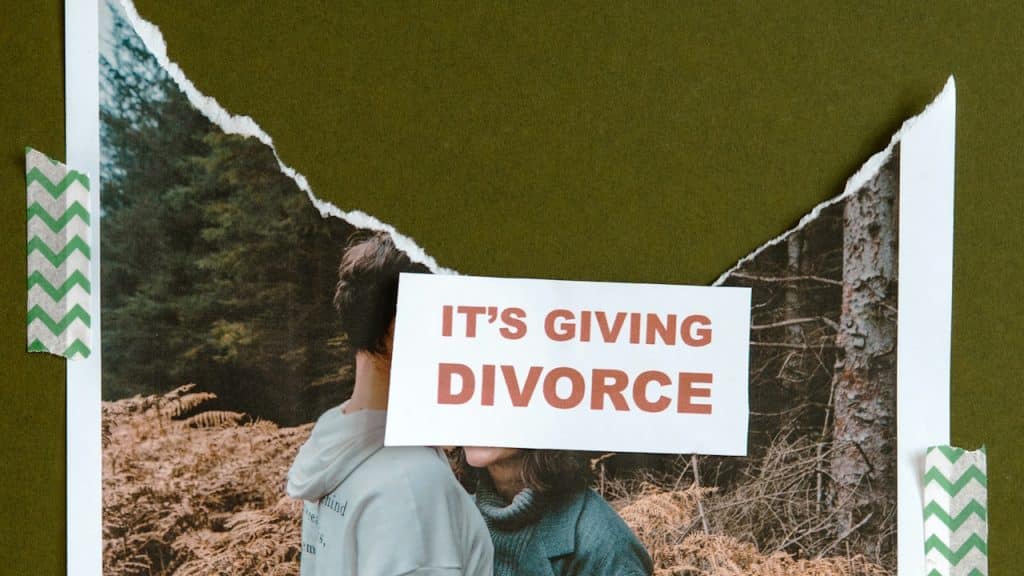
Divorce doesn’t happen overnight; the signs are there for quite some time, but by the time you realize, the damage has already been done. Silent internal battles, lack of clear communication, apathy, inability to adapt to new phases, or cheating, the reasons can be numerous. If you succeed in detecting the reversible signs early on, you can fix the marriage with the right kind of professional help, open communication, empathy, and a willingness to change for the sake of your marriage. And to walk away from an abusive relationship before you completely lose yourself in it and see divorce as the only way forward, toward reclaiming your growth, freedom, and identity.








Ask Me Anything