
Sometimes the line between “protective” and “controlling” is dangerously thin. A lot of behaviors that look caring on the outside—checking in, offering advice, intervening “for your own good”—slowly chip away at your independence. What makes them tricky is that many begin with good intentions or at least believable excuses. But real protection empowers you to feel capable, not incapable.
These 17 behaviors might seem sweet or thoughtful at first, but if you look closely, they reveal something much more restrictive.
“Just Checking Where You Are Constantly”

What starts as “text me when you get there” can morph into hourly updates, location tracking, and subtle pressure to always be reachable. They may frame it as safety, but constant monitoring is about managing their anxiety—not your wellbeing. A healthy partner trusts your ability to handle yourself. A controlling one needs digital breadcrumbs to feel secure. If you notice they get irritated when you have gaps in your updates, that’s the real red flag—not the check-in itself.
“I Only Want to Keep You Away From ‘Bad Influences’”
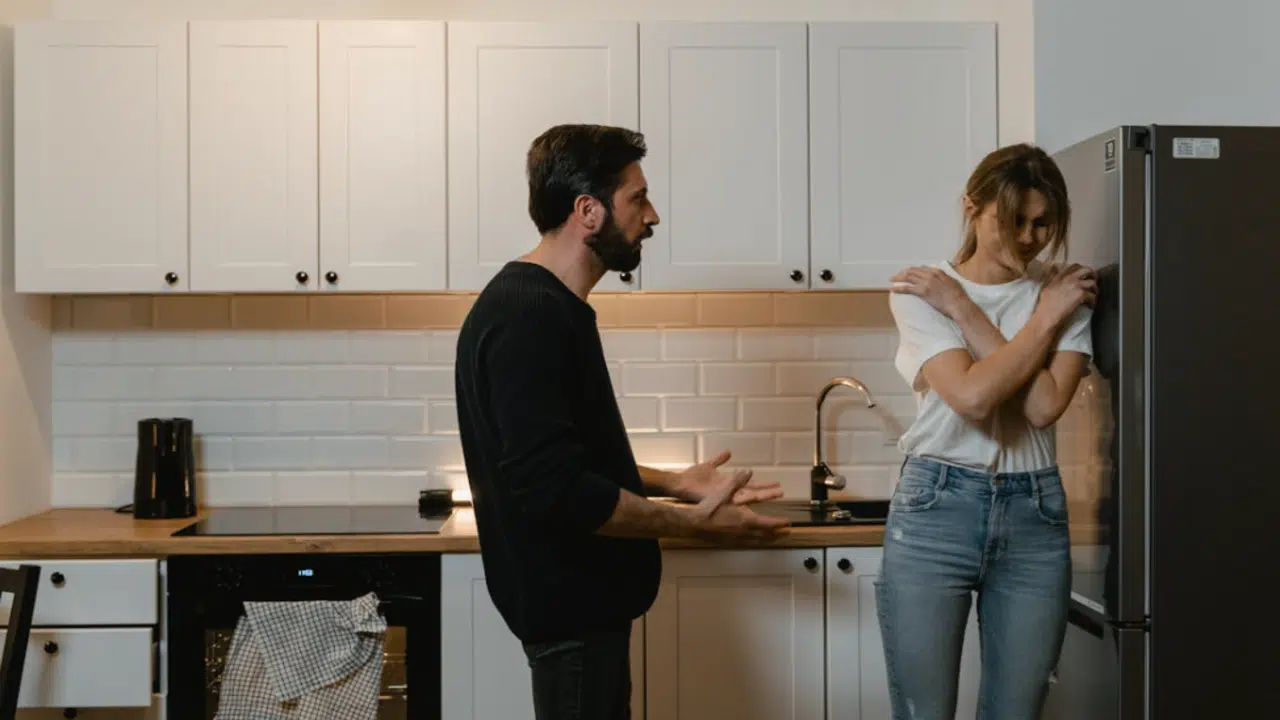
Labeling your friends as “problems” is a classic way to isolate you without seeming hostile. They may frame it as concern—“I just don’t want you getting hurt” or “They don’t have your best interests at heart”—but slowly, your social circle shrinks to the people they approve of. Protection doesn’t limit your connections; control thrives on it. The litmus test is simple: do you feel free to choose your relationships, or do you feel like you need permission?
“Let Me Handle That—You’ll Just Stress Yourself Out”

It sounds chivalrous when someone wants to take over tasks, solve problems, or make decisions “for you.” But if every disagreement turns into them insisting you’re too emotional, inexperienced, or overwhelmed, that’s not protection—it’s infantilization. Good support helps you build confidence. Controlling support quietly replaces your autonomy. Pay attention to whether they back off when you say, “I’ve got it,” or whether they double down and insist you don’t.
“I Just Worry When You Go Out Without Me”

Concern is normal; discomfort with your independence isn’t. When someone reacts negatively every time you make plans without them—questioning your intentions, guilt-tripping you, or showing sudden sulking—it’s a sign their “worry” is really about control. A healthy partner wants you to enjoy your life, not shrink it to fit their comfort zone. Real protection says, “Have fun.” Control says, “I don’t like that you have a life I’m not part of.”
“I Need to Approve What You Wear So You’re Safe”

Restricting your clothing choices often gets framed as caring: “I don’t want people looking at you,” “I’m just protecting you,” or “This is for your safety.” But policing what you wear sends a clear message—you’re responsible for other people’s behavior, and they get to dictate your self-expression. Actual safety comes from trust, communication, and boundaries, not wardrobe control. If they truly cared about your comfort, they’d ask what you feel good wearing—not impose their own rules.
“I Didn’t Tell You Because I Didn’t Want to Stress You Out”

Keeping information from you to “protect” you sounds noble until you realize it robs you of agency. Whether it’s about money, social plans, or decisions that affect you directly, withholding details shifts power silently. A controlling person chooses what you’re “allowed” to know. Someone who respects you trusts your ability to handle the truth. Protection involves transparency; control thrives in selective communication.
“I’m Only Hard on You Because I Want You to Be Your Best”

Criticism disguised as motivation can erode self-esteem over time. They may frame their harsh comments as “tough love,” but if you constantly feel inadequate, second-guess yourself, or worry about disappointing them, that’s not care—it’s control through insecurity. Real encouragement builds you up instead of nitpicking you down. A protective partner mentors; a controlling one micromanages your growth.
“I Just Want You to Be Safe Online”

Asking for your passwords, scrolling through your messages, or checking your DMs “just to make sure no one’s bothering you” is a privacy invasion. Even if they say it’s about safety, surveillance turns relationships into policing. Healthy digital boundaries mean trusting each other to handle online interactions like adults. If they insist transparency is necessary for the relationship to function, what they really want is access—not security.
“I’ll Come With You—Just in Case Something Happens”

Going places with your partner can be sweet, but if they insist on tagging along everywhere—errands, hangouts, appointments—it becomes a form of shadowing. They may say they’re worried or “just being supportive,” but constant presence eliminates your personal space. The question is whether their company feels welcome or obligatory. True safety gives you room to breathe; control crowds you out.
“Tell Me Everything So I Know You’re Okay”

Emotional sharing is healthy, but forced transparency is not. If they expect detailed play-by-plays of your day or interrogate you when you set boundaries, it’s control wrapped in concern. Oversharing becomes compulsory—a way for them to manage their own insecurities. Healthy partners let you decide what you want to disclose. Controlling ones expect full access to your inner world, often as a way to predict and shape your behavior.
“Don’t Worry, I’ll Talk to Them For You”

Stepping in to handle conflicts with your colleagues, friends, or family can feel supportive at first. But when they repeatedly insert themselves into your conversations or decisions, they essentially speak for you. That strips you of your voice and subtly trains everyone to negotiate through them instead. Someone who truly wants to protect you empowers your communication—not hijacks it.
“I’m Only Asking Because I Care About Your Health”

Monitoring your meals, exercise, sleep, or habits under the umbrella of “health” can become a policing mechanism. Health isn’t a weapon to control someone’s choices or shame them into compliance. It’s fair to express concern; it’s controlling to dictate behavior, criticize your habits, or track what you do daily. Support is collaborative. Control takes the steering wheel of your own body and life.
“I Want to Keep You Out of Drama”

They may try to filter your interactions, discourage you from joining conversations, or insist certain situations are “too messy” for you. On the surface, it sounds protective—but it’s also a way to restrict your participation in your own social environment. Avoiding drama should be your choice, not something mandated by someone else. Protection encourages wise decisions; control takes the decision away from you.
“It’s Better If You Don’t Worry About the Finances”

Money is a common place for control to hide. A partner may offer to handle everything financially “so you don’t have to stress,” but financial opacity limits your independence. Without access to information, you lose power. A truly protective partner educates, collaborates, and shares responsibility. A controlling one makes money a one-way mirror.
“I Just Want You to Avoid Unsafe Places”

Advising you about safety is normal; telling you where you can and can’t go is not. When someone dictates which neighborhoods, events, or activities are “dangerous,” they often exaggerate risks to keep your world small. Real safety advice provides information and respects your judgment. Control uses fear to shape your movements.
Advising you about safety is normal; telling you where you can and can’t go is not. When someone dictates which neighborhoods, events, or activities are “dangerous,” they often exaggerate risks to keep your world small. Real safety advice provides information and respects your judgment. Control uses fear to shape your movements.
“I Don’t Like You Doing Things Without Telling Me First”

They may frame it as respect or coordination, but needing to pre-approve your plans is a form of gatekeeping. It trains you to ask permission instead of sharing information. A healthy relationship involves communication, not clearance. The moment you feel anxious about how they’ll react to spontaneous decisions, you’re dealing with control—not care.
“I Only Act This Way Because I Love You So Much”

Love is the easiest shield for controlling behavior. When someone blames their intensity, jealousy, or restrictions on how deeply they care, they turn affection into a justification. But love isn’t meant to limit, restrict, or consume you. Love that requires you to shrink yourself to fit inside its boundaries is not love—it’s possession. Real love lets you grow, explore, and feel safe in your own autonomy.








Ask Me Anything