
Breakups in midlife rarely feel like simple endings; they feel like disruptions to an entire identity. Years of shared routines, mutual responsibilities, and emotional rhythms become intertwined, making separation far more complicated than it once was. Men at this age often absorb the weight quietly because they are expected to remain composed, even when the loss cuts deeply. The emotional impact lingers longer because fewer people notice or ask about their internal struggles. What hurts most is not just the relationship ending but the sudden void where purpose, partnership, and stability used to exist. The heaviness comes from realizing how much of life has been built around someone who is no longer there.
The Weight of Years Invested

Long-term relationships represent years of emotional labor, compromise, and shared history, making the sudden loss feel like losing a part of one’s life. Men often anchor their identity in the relationship’s stability, so a breakup disrupts their sense of direction. The realization that time cannot be reclaimed intensifies the emotional blow. Even if the separation is mutual, the sense of wasted years can create a lingering grief. This deep history makes it harder to accept that everything built together can vanish so quickly.
The Fear of Starting Over
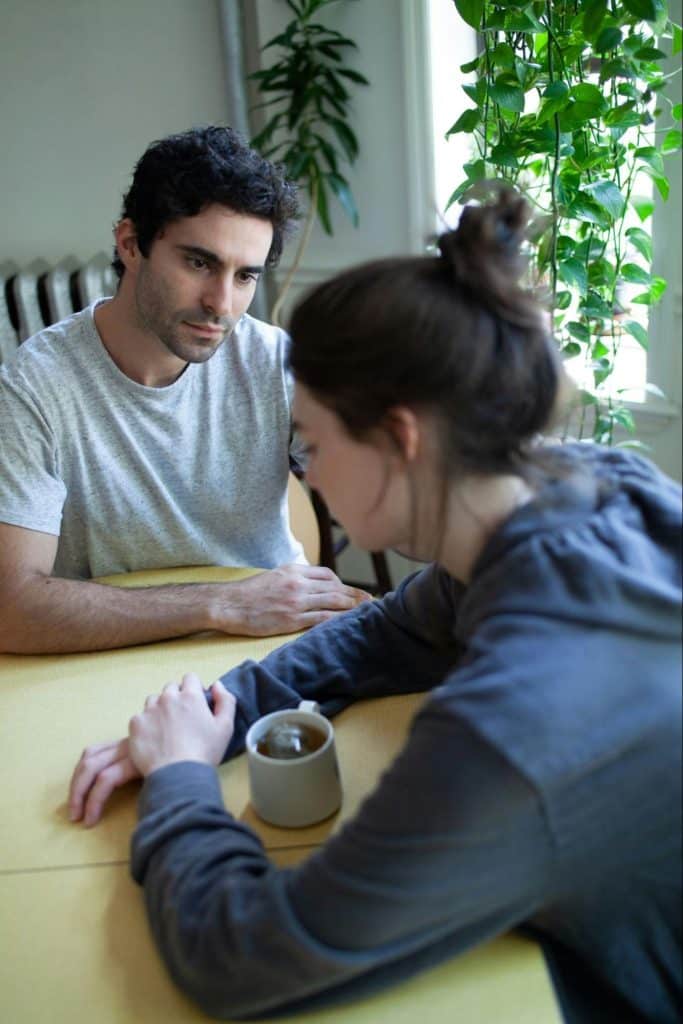
Beginning again at midlife feels overwhelming because men associate stability with success. The idea of rebuilding routines, trust, and emotional closeness requires energy they fear they no longer have. Dating again means confronting insecurities they thought were long buried. This anxiety quietly amplifies the pain of the breakup, making the future seem uncertain. The pressure to “bounce back” only makes the process feel heavier.
Loss of Identity Within the Relationship
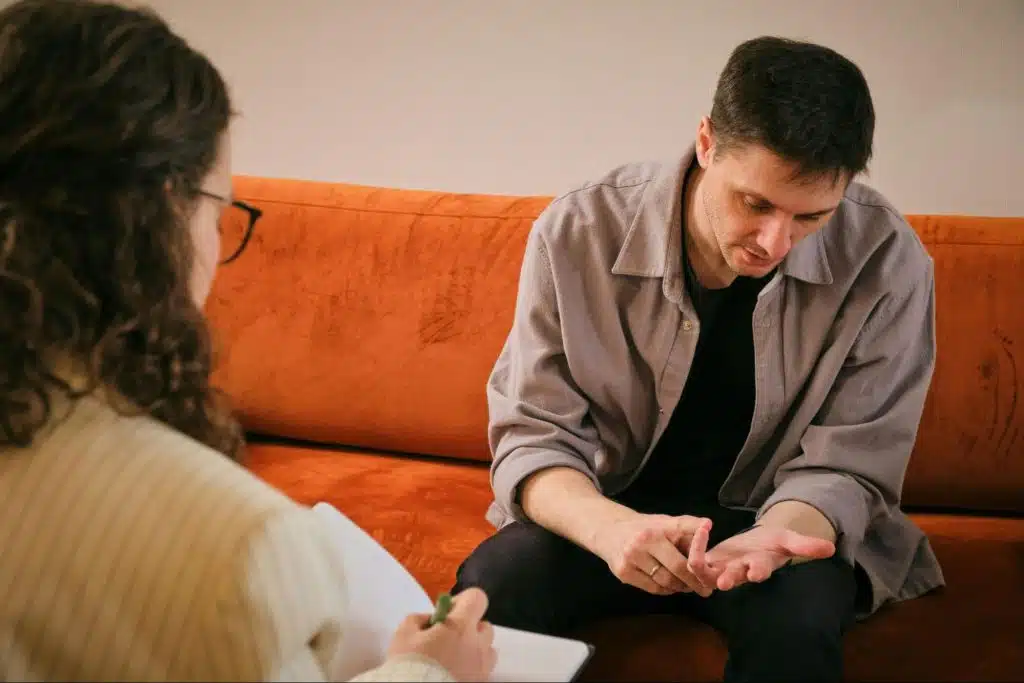
Many men base parts of their identity on being a partner, provider, or dependable spouse. When the relationship ends, the roles that once defined their purpose disappear with it. This creates a sense of internal displacement, as if they no longer recognize the man they have become. The breakup forces an unplanned reevaluation of values and priorities, adding emotional weight. The unfamiliarity of independence after years of partnership intensifies the feeling of loss.
A Smaller Emotional Support System

Men in their 40s and 50s often have fewer close friendships compared to women. This limited emotional network leaves them processing heartbreak internally with little support. Without people to confide in, the pain becomes heavier and lasts longer. The silence surrounding their hurt makes it harder to release or understand. The breakup thus becomes a private struggle rather than a shared healing process.
Responsibility Doesn’t Pause for Pain

Unlike younger years, responsibilities such as work, bills, or family obligations continue without sympathy for emotional turmoil. Men often suppress their grief because life requires consistent performance. This suppression delays healing and deepens emotional exhaustion. Having to function as if nothing happened increases the psychological strain. The inability to slow down magnifies the weight of the breakup.
Financial Stress Hits Harder

Breakups later in life often come with financial implications tied to shared assets, housing, or long-term planning. Men may fear the setback will affect retirement, savings goals, or personal stability. The financial adjustment can feel like another layer of loss, separate from the emotional impact. This stress reinforces the sense that the breakup has reshaped their entire life, not just their love story. Practical concerns add a heavy realism to the heartbreak.
Aging Changes Perception of Time

Men in midlife feel the pressure of limited time when facing major life changes. The idea of rebuilding a relationship or waiting for emotional recovery feels more daunting than it once did. This perception intensifies the pain because the future feels narrower. The breakup represents not only the loss of a partner but also time that can’t be regained. This makes the emotional weight extremely difficult to shake off.
Regret Becomes More Powerful

Midlife brings the awareness of past choices and missed opportunities. A breakup at this age can trigger deep reflection on mistakes made in the relationship. This reflection often turns into regret that feels heavier than youthful missteps. Men may worry they won’t get another chance to correct those errors. This emotional burden makes the healing process significantly slower.
Physical Loneliness Feels Sharper

Years of shared routines, sleeping next to someone, eating together, relaxing at home, create a rhythm that becomes hard to break. When these habits disappear suddenly, the absence feels physically jarring. The quiet moments once filled with companionship become reminders of what was lost. Men at this stage often feel this loneliness more intensely because their home life has been stable for years. The contrast between “before and after” hits harder than expected.
Emotional Expression Feels Riskier

Many men were raised to minimize vulnerability, making emotional expression uncomfortable. During a breakup, this conditioning prevents them from fully processing their feelings. They hold everything inside, which prolongs the pain. The inability to express grief or confusion leaves them feeling isolated. What could have been healing becomes a burden they carry alone.
Fear of Being Replaced

Seeing a former partner move on can strike deeply, especially when a man worries someone else will offer what he lacked. This fear isn’t just jealousy, it’s a questioning of value and worth. Midlife insecurity makes this feeling sharper and more personal. The fear of being forgotten intensifies the heartbreak. It becomes a silent wound that few men openly acknowledge.
Comparison to Younger Versions of Themselves

Breakups often cause men to compare their current selves to who they were decades ago. The realization that they no longer feel as confident, desirable, or energetic adds emotional weight. This self-comparison creates a quiet internal crisis. Instead of just mourning the relationship, they mourn the man they used to be. This dual loss makes healing more complicated.
The Loss of Shared Dreams

Relationships in midlife often involve long-term plans, retirement goals, lifestyle visions, or future family milestones. When the relationship ends, these dreams dissolve as well. The loss feels like watching a future that will never be lived. This emptiness adds layers to the heartbreak. It isn’t just losing someone; it’s losing what life was supposed to look like.
The Pressure to Appear Strong

Society still expects men to handle breakups with composure. This expectation discourages vulnerability and makes them mask their pain. The emotional strain becomes heavier when expression is suppressed. Trying to appear unaffected creates internal conflict. The need to look strong prevents genuine healing.
Self-Blame Intensifies

Men often replay conversations and decisions, analyzing where things went wrong. This tendency becomes stronger with age because they feel they “should have known better.” Self-blame becomes a quiet companion that heightens the grief. The pressure to understand the failure can overshadow the healing process. This introspection can become emotionally draining over time.
Healing Takes Longer

Emotional resilience changes with age. Responsibilities, stress, and physical fatigue make it harder to bounce back. Men in midlife often underestimate how long recovery will take. This slow healing process can lead to frustration and added sadness. The breakup becomes a marathon rather than a sprint.
Conclusion

Breakups hurt at any age, but for men in their 40s and 50s, the emotional impact is uniquely heavy. The loss intertwines with identity, time, stability, and future plans, creating a layered grief that’s difficult to articulate. These reasons don’t point to weakness; they point to the depth of investment that comes with midlife relationships. Understanding these emotional dynamics provides clarity, and clarity is the first step toward genuine healing. Even at this stage of life, rebuilding is possible, and connection can be rediscovered with intention and awareness.








Ask Me Anything