
You don’t need a psychology background to sense when a man is carrying emotional scars he rarely speaks about. You can often see it in the subtle ways he checks out of conversations, the moments where his humor feels like a shield rather than a personality trait, and the way his eyes harden when certain memories float through his mind. Trauma rewires a man’s emotional reflexes, and while many are conditioned to “be strong,” that strength often comes at the cost of genuine connection.
Understanding these signs isn’t about diagnosing him–it’s about recognizing the unspoken stress patterns that shape how he shows up in relationships and everyday life. The more you understand these cues, the easier it becomes to respond with empathy, patience, and awareness instead of frustration.
He Avoids Eye Contact at Emotional Moments

When a man has lived through something painful, eye contact becomes more intimate than he can comfortably handle. Instead of looking directly at you, he may glance away, blink rapidly, or stare into the distance to avoid feeling exposed. He’s not being evasive–his nervous system is trying to protect him from vulnerability. Holding someone’s gaze can feel like opening a door he’s spent years trying to keep shut. A gentle, non-pressuring presence makes it easier for him to eventually meet you where you are emotionally.
He Overreacts to Small Surprises or Sudden Changes
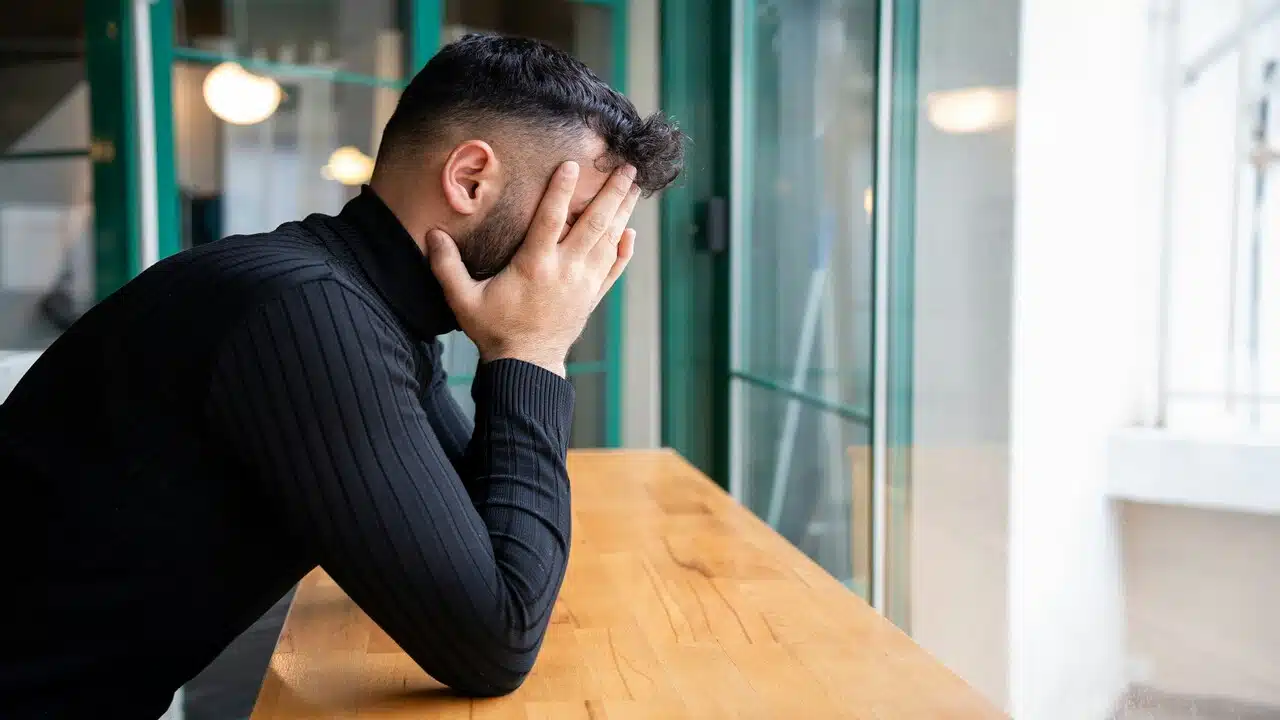
Men who carry old wounds often have heightened startle responses, even when nothing objectively threatening is happening. A slammed door, a sudden question, or an unexpected change in plans can trigger a flash of tension in his eyes. His body has learned to stay ready for danger, even when it’s not there anymore. This doesn’t mean he’s dramatic–it means his nervous system is conditioned to anticipate the worst. Staying predictable, communicating transitions clearly, and avoiding jump-scare energy around him can make him feel safer and calmer.
He Apologizes Excessively for Normal Things

If he says “sorry” for things that don’t require an apology–like taking a moment to think, expressing a preference, or needing help–there’s usually a story behind it. His eyes may give away that he’s bracing for backlash or criticism that once came from people he trusted. Over-apologizing is often a leftover survival habit from environments where he was made to feel like a burden. Reassuring him that his needs and presence are not inconveniences can slowly help him recalibrate his sense of worth.
He Gets Quiet When Conflict Begins

Some men shut down the moment tension enters the room. Their eyes shift from engaged to distant, as if they’ve mentally stepped into another space. This isn’t lack of interest–it’s a trauma response known as “fawning” or “freeze.” Conflict may remind him of explosive situations he had no control over, so silence becomes his safest move. Encourage slow, lower-volume conversations and reassure him that disagreement doesn’t equal danger. Over time, he may learn that conflict can be constructive, not catastrophic.
He Keeps His Guard Up Even in Safe Spaces

You may notice he always seems “on,” even when he’s supposedly relaxing. His eyes never fully soften; his shoulders rarely drop. Trauma teaches a man that comfort is a luxury, not a default state. If he grew up in chaos–or survived betrayal–his body struggles to recognize safe environments. Offering non-demanding companionship, predictable routines, and time without pressure can help his nervous system slowly relearn calm. It’s not a quick shift; it’s a gradual unlearning of years of survival mode.
He Minimizes His Own Pain or Experiences

Watch the way he talks about his own hardships–his eyes may flicker with something deeper even when he brushes them off verbally. Many men were taught that acknowledging pain is weakness, so they downplay everything. “It wasn’t that bad,” or “Other people have it worse,” becomes his script. But his eyes often reveal exhaustion or hurt that contradicts his words. Provide validation, not pity, and he may eventually feel safe enough to share the story behind the dismissal.
He Uses Humor to Deflect Anything Personal

When conversations get too close to emotional truth, he may instantly switch to sarcasm, wit, or playful teasing. His smile might be big, but his eyes will look tired or distant–because the humor is a shield, not a celebration. This defense mechanism keeps him from feeling exposed, but it also keeps people at arm’s length. Instead of calling him out, gently redirect back to what he was trying to avoid. It shows that you see past the jokes without shaming him for using them.
He Studies People Before He Trusts Them

A trauma-carrier often scans a room like it’s a map of potential harm. His eyes analyze micro-expressions, tones, and behaviors before he decides how open he can be. This hyper-vigilance comes from past environments where trust came with consequences. Though it can make him seem guarded or cautious, it’s actually a protective strategy he hasn’t learned to turn off yet. Patience, consistency, and authenticity are the materials that help rebuild his sense of safety.
He Struggles to Receive Compliments or Praise

When you compliment him, he may look away, tense up, or brush it off quickly–because letting positive words in feels foreign. His trauma may have taught him that praise is temporary or conditional. He might even believe he doesn’t deserve it. If he seems uncomfortable when admired, it’s not humility; it’s an internal conflict between who he is and who he believes he is allowed to be. Keep the compliments sincere and direct, and don’t force him to respond perfectly.
He Disconnects Emotionally When Stressed

Pay attention to the change in his eyes when life gets overwhelming–they may go flat, unfocused, or distant. Trauma can push a man into emotional shutdown as a coping mechanism. Instead of exploding outward, he retreats inward. This makes him seem cold or uninterested, but really he’s trying to keep from spiraling. Offering calm presence without demanding conversation helps him re-regulate faster than pressing him to open up immediately.
He Seems Surprised When Someone Shows Him Kindness

You might notice a quick flash of disbelief in his eyes when someone does something genuinely thoughtful for him. Trauma often conditions men to expect disappointment or hidden motives, so kindness can feel suspicious or undeserved. That initial look of confusion says more than he ever will. Show consistency, not grand gestures. Little-by-little kindness can help him relearn that goodness doesn’t always come with strings attached.
He Moves Carefully Around Other People’s Emotions

Men who’ve been hurt often treat other people’s feelings like fragile items they’re responsible for protecting. His eyes may show concern or fear of doing the “wrong thing,” especially if he grew up with unpredictable emotional reactions around him. Trauma makes a man hyper-aware of how his actions affect others. Make it clear that your emotions are not landmines–invite him to share openly, and remind him mistakes don’t equal punishment.
He Keeps His Past a Mystery

When he talks about his life, he might skillfully skip entire chapters. His eyes shift or dim when certain topics come up, signaling stories he’s not ready to revisit. Trauma often teaches men that silence equals safety. Instead of pushing him to reveal everything, show that you’re someone who can sit with pieces rather than demand the whole picture. When he senses that pressure isn’t part of the deal, he may eventually open up.
He Overthinks His Every Move
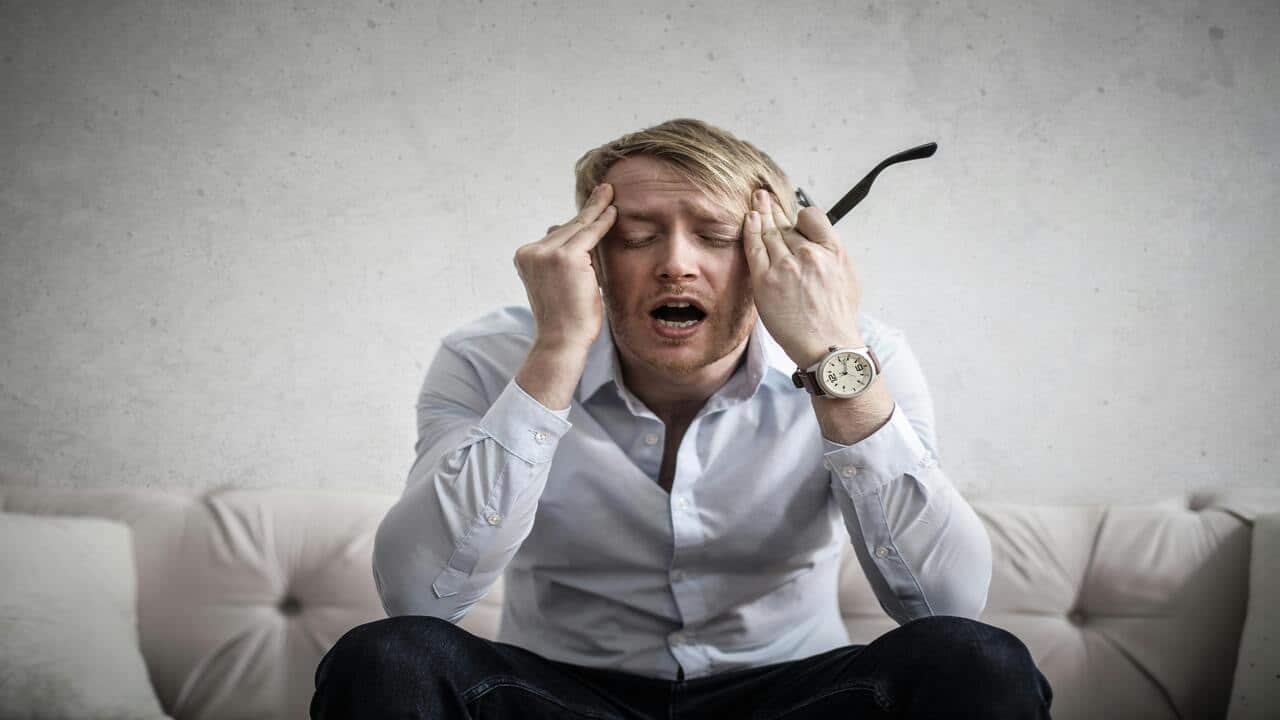
A man carrying emotional wounds often second-guesses himself constantly. His eyes dart as he mentally replays conversations or tries to predict outcomes before they happen. Trauma creates a loop where he feels responsible for preventing disaster. Reassure him that he doesn’t need to earn safety by overperforming or perfectionism. The more stable and consistent your presence, the more he learns that not everything requires strategizing.
He Struggles to Relax or Enjoy the Moment

Even during downtime, his eyes reveal tension–as if part of him is waiting for something to go wrong. Relaxation feels threatening because it means lowering his guard. Men with trauma often find joy unfamiliar or fleeting, so they stay semi-alert even when life is calm. Offer gentle, low-stakes experiences where he can unwind without expectation. Over time, safety becomes something he can feel instead of something he has to earn.
He Pulls Away When Someone Gets Too Close

Closeness can be terrifying for a man who’s been hurt. When emotional intimacy grows, he may suddenly seem distant, distracted, or cooler toward you. Watch his eyes–they often show fear long before he creates distance. This retreat isn’t rejection; it’s panic at the thought of being vulnerable again. Move slowly, don’t chase, and show that connection doesn’t have to be overwhelming. Space gives him room to return willingly.
He Tries to Handle Everything Alone

You’ll see it in the tired determination in his eyes–the belief that he must solve every problem by himself. Trauma teaches men that needing help makes them weak or burdensome. So he carries everything alone, even when he’s breaking down quietly. Instead of insisting he open up, offer supportive partnership and remind him that sharing the load isn’t a failure. Over time, he learns that strength isn’t silence–it’s connection.








Ask Me Anything