
You know that weird feeling when you’re dating someone, but it still feels like you’re pretending to be in a grown-up relationship. It’s like the emotional version of playing house. Everything looks right on the outside, but something in you knows it’s not landing. Men in their 30s to 50s feel this more than they admit because life experience makes them more aware when a connection is surface-level instead of solid.
Your Communication Still Stays on the Surface

You keep talking about plans, schedules, and logistics, but not what you actually feel. When your conversations avoid real vulnerability, the relationship stays in a holding pattern. Studies show that emotional self-disclosure is strongly linked to deeper intimacy and long-term satisfaction. You know this, but you still default to safe topics because it feels easier. The problem is that surface talk keeps you in roommate energy instead of partner energy. You start feeling like you’re managing a connection instead of building one.
You Avoid Hard Conversations

You skip difficult talks because you don’t want to ruin the mood. The truth is that avoiding tension keeps the relationship fake. Conflict handled well actually builds trust. When you dodge uncomfortable topics, you train yourself to act calm instead of being honest. This makes things feel like a performance. You want peace, but you end up creating distance. You feel the gap every time you walk away from something you should have talked through.
You Still Try to Impress Instead of Connect

You show the polished version of yourself instead of the real one. You keep selling your accomplishments, your lifestyle, or your personality like you’re interviewing for a role. That energy blocks intimacy. Authenticity is one of the strongest predictors of relationship satisfaction for men and women. When you hide parts of yourself, you feel disconnected from the relationship you built. It feels like you’re performing confidence instead of feeling it. This leaves you stuck in a shallow dynamic.
You Do Not Feel Safe to be Vulnerable

You analyze every emotion before you share it because you’re worried she won’t get it. That hesitation creates emotional distance. Men who feel emotionally safe are more likely to form long-term, stable bonds. If you keep holding back, the relationship never levels up. You end up feeling like the connection is “pretend deep.” You want to open up, but you do not trust the space enough yet. That uncertainty makes everything feel temporary.
You Keep Waiting For Her to Make the First Move

You stay passive because you are tired of being the emotional initiator. The issue is that passivity makes the relationship feel unbalanced. When you want something deeper but avoid leading, the connection stays stalled. Mutual initiation predicts healthier partnership dynamics. You keep hoping she will bridge the gap, but that rarely happens without your engagement. This makes the relationship feel like you are observing it instead of participating in it. You end up feeling disconnected from your own role.
You Still Act Like You’re Single

You say you want a partner, but you still protect your independence like it is sacred territory. You avoid blending routines or making choices that signal commitment. This keeps you in a “just dating” mindset. Research on commitment behaviors shows that shared rituals strengthen the feeling of partnership. When you resist merging your life, the relationship always feels temporary. The distance becomes the default setting.
You Have Not Defined the Relationship

You avoid labels because you want things to unfold naturally. The problem is that an unclear status creates emotional limbo. Ambiguity increases anxiety and reduces relationship satisfaction. When you are unsure what you are building, you cannot fully invest. You start behaving like a guest in her life instead of a partner. That makes everything feel like a trial run. The uncertainty keeps you acting instead of settling in.
Your Emotional Needs Aren’t Being Met

You feel connected at times, but something is still missing. Maybe you want more affirmation or deeper conversations. Emotional needs ignored over time create resentment and disconnect. Research links unmet emotional needs to the feeling of instability in romantic relationships. You start doubting if the relationship can support the weight of your real self. This makes you hold back. You stay in a “play it safe” mode instead of building something real.
You Focus More on Chemistry Than Compatibility

You enjoy the spark but avoid asking if your values match. Chemistry feels good, but it fades without alignment. Studies show compatibility is a stronger predictor of long-term success than infatuation. When you rely only on attraction, the relationship feels exciting but hollow. You sense the emptiness during quiet moments. This creates a fantasy dynamic instead of a grounded partnership. You feel like you are acting out a romance instead of living one.
You Don’t Trust Her Decision-Making

You like her, but you hesitate to rely on her. You second-guess her judgment or feel unsure she can handle life with you. Without trust, you cannot relax into the relationship. Trust is the top predictor of relationship commitment. When trust is weak, you take on everything yourself and keep emotional distance. This makes the dynamic feel fragile. You feel like you have to manage the relationship instead of sharing it.
You Still Carry Past Relationship Trauma
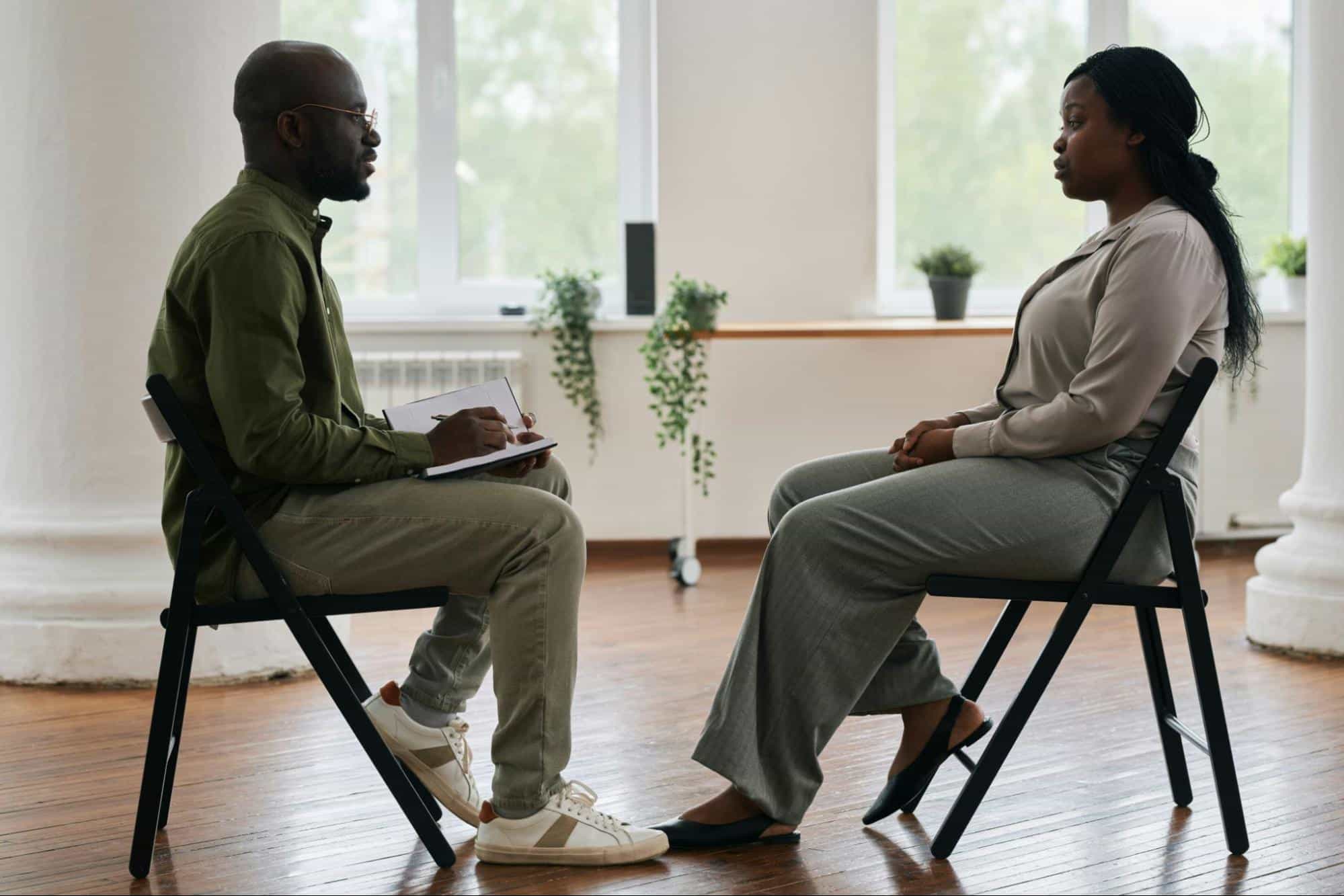
Your body remembers what your mind tries to forget. You stay cautious because you were burned before. Studies show that unresolved attachment wounds strongly affect new relationships. When you stay guarded, you cannot feel grounded. You keep waiting for the other shoe to drop. This creates a constant sense of acting. You never feel fully present.
You Feel Like You Must Control Everything

You take the lead in every plan and every decision because you fear things will fall apart. Control gives you safety, but also creates pressure. Controlling tendencies are linked to relationship instability. When you carry everything, you do not make space for a true partnership. You end up exhausted and resentful. This makes the connection feel like a performance. You feel alone even when you are not.
You Don’t Let Her Into Your Real Life

You keep parts of your world separate. Maybe it is your routines, your friends, or your personal goals. Segmentation prevents genuine partnership. Studies show shared social circles and integrated routines predict relationship longevity. When you compartmentalize, the relationship stays in a bubble. It feels staged instead of lived. You never feel fully anchored.
You Ignore Red Flags Because You Want It To Work

You see the signs, but you tell yourself it is fine. You want the relationship to succeed, so you avoid acknowledging the problems. Minimizing red flags increases long-term dissatisfaction. When you ignore the truth, you build a relationship that does not match reality. This makes you feel disconnected from your own choices. It also keeps you stuck in “pretend mode.” You act like everything is good even when it is not.
You’re Afraid of What Real Partnership Demands

A real partnership asks for vulnerability, compromise, and shared responsibility. You want it, but you also fear the loss of control. This fear makes you hold back even when you like her. Studies show fear of intimacy affects commitment patterns, especially in men over thirty. When you avoid the discomfort of growth, the relationship stays shallow. You feel like you are rehearsing instead of living. The result is a connection that never becomes what you want.








Ask Me Anything