
Dating after 50 brings a completely different landscape from what many men remember in their younger years. Expectations, communication norms, and emotional readiness all shift with age, yet many men approach dating with outdated habits. What feels confident, stable, or practical to a man often reads differently to a woman seeking connection at this stage of life. Re-entering the dating world requires new awareness, not recycled strategies. This guide highlights subtle mistakes men commonly make without realizing how much they affect attraction and compatibility. Each point offers insight into how these patterns develop and why they quietly undermine potential relationships.
Assuming Experience Replaces Effort

Many men assume that because they have decades of life experience, they can skip the small gestures that build early connection. Women at this stage are not impressed by the idea of “I’ve been through this before,” because it feels dismissive rather than confident. Effort is still attractive, no matter the age bracket. When effort declines too early, it signals complacency rather than maturity. Modern dating rewards presence, attentiveness, and emotional curiosity, not autopilot. This mindset causes promising conversations to fade before they develop.
Treating Dating Like a Transaction Instead of a Connection

Some men unintentionally present dating as a checklist, focusing on compatibility points rather than emotional chemistry. This can make interactions feel mechanical or evaluative. Women sense when they’re being interviewed rather than engaged with. Emotional connection is now a priority, not a bonus. A transactional approach signals emotional detachment or fear of vulnerability. This mistake often results in women losing interest despite practical compatibility.
Showing Confidence That Reads as Emotional Guarding

Confidence is attractive, but many men over 50 present an overly polished version of themselves. This can come across as guarded or emotionally unavailable. Women sense when a man is holding back to protect himself. They want steady confidence, not defensiveness disguised as strength. Without vulnerability, the dynamic remains shallow. This creates early-distance that women interpret as a long-term barrier.
Expecting Old Dating Rules to Still Apply

Many men rely on outdated dating norms that no longer align with how women communicate or form relationships today. Modern women value collaboration, mutual effort, and emotional transparency. When men lean on decades-old expectations, it signals a disconnect from current interpersonal norms. This is not about being “out of touch,” but about being unadapted. Without updating expectations, conversations feel mismatched. This subtly discourages deeper connection.
Over-explaining Past Relationships

Men often share past relationship stories to seem honest or relatable. However, too much detail makes women feel like they’re being compared to an ex. Emotional oversharing creates discomfort and hints at unresolved issues. Women look for emotional readiness, not lingering narratives. Talking about the past in a controlled, intentional way is healthy, but turning dates into therapy sessions is not. This mistake quietly disrupts early rapport.
Minimizing Their Own Emotional Needs
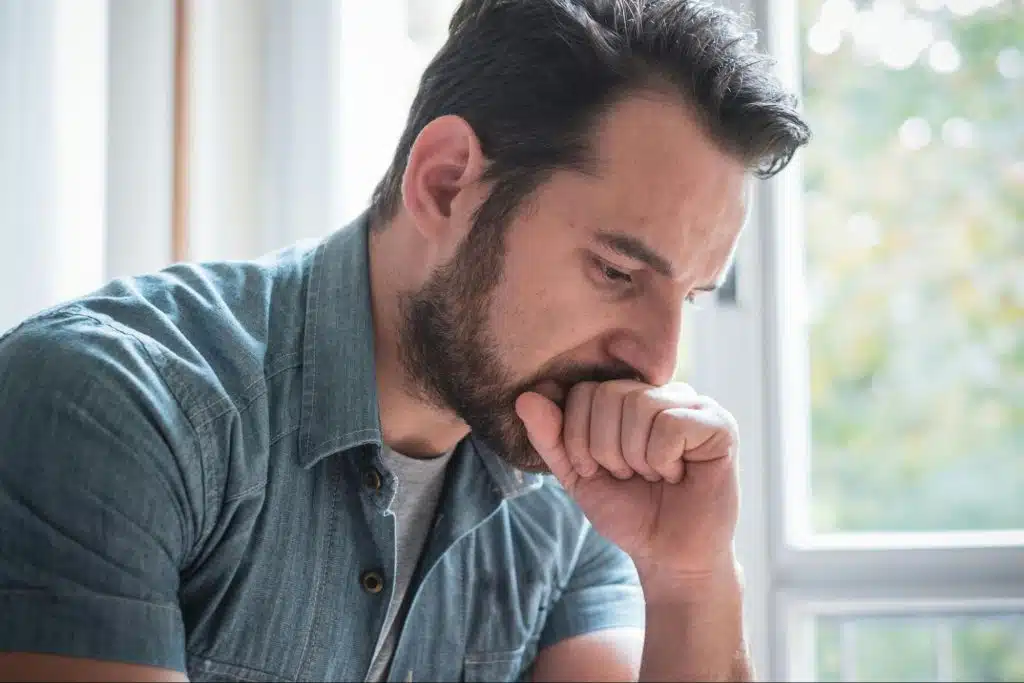
Many men over 50 think expressing needs makes them appear weak or demanding. Instead, they stay overly self-reliant, believing it shows strength. Women, however, read this as emotional distance. When a man seems unreachable, they assume he lacks space for intimacy. Not voicing needs removes opportunities for mutual connection, causing subtle disconnection early on.
Responding to Stress With Withdrawal

When midlife stress rises, many men retreat to regain control internally. While logical from their perspective, women interpret withdrawal as rejection. Emotional silence creates confusion and discourages open communication. Even brief detachment shifts the tone of the relationship. Without explanation, women assume the emotional door is closing. This quiet distancing builds tension that men often do not notice.
Trying to Fix Instead of Listen

A common pattern is offering solutions rather than empathy. Men often believe they’re being helpful, yet women interpret this as avoidance of emotional depth. Listening without solving builds trust and connection. Fixing too quickly can suggest impatience or discomfort with vulnerability. This dynamic creates an emotional mismatch that weakens early chemistry. Women seek understanding before resolution.
Being Too Slow to Show Intent

Many men take a “wait and see” approach, revealing interest cautiously. Women over 40, however, value clarity and emotional direction. Slow-moving signals can make them question whether the man is genuinely invested. This hesitation risks losing momentum. Delayed intent feels like uncertainty, not respect. Without timely engagement, interest fades quickly.
Keeping Conversations Surface-Level for Too Long

Safety-driven men often stay in light, factual conversations to avoid missteps. While polite, this prevents emotional depth. Women look for shared vulnerability to determine compatibility. Surface-level dialogue becomes repetitive and uninspiring. A woman doesn’t need intense disclosure, she simply wants authenticity. Staying shallow unintentionally stalls the connection.
Overusing Humor to Avoid Depth

Humor is an asset, but excessive jokes or deflections signal emotional avoidance. Women can sense when humor becomes a barrier rather than a bonding tool. This pattern creates a disconnect between intention and perception. Lightness is welcome, but depth is necessary. Without balance, women may feel the man is hiding something or unwilling to be serious.
Communicating in “Safeguarded” Responses

Many men choose safe, neutral statements to prevent misinterpretation. While it avoids conflict, it also avoids connection. Women feel they’re speaking to someone who holds back too much. Safeguarded communication signals reluctance to let someone in. Over time, this creates emotional flatness. Women often disengage because the conversation lacks substance.
Expecting Compatibility to Outweigh Chemistry

Some men rely heavily on shared values or life stages as indicators of compatibility. While important, chemistry is equally crucial. Women need emotional spark, not just logical alignment. Over-focusing on compatibility makes the relationship feel practical rather than inspired. Chemistry grows from presence, curiosity, and responsiveness. Ignoring this creates a connection that feels functional, not romantic.
Showing Interest Only Through Practical Actions

Many men express interest through help, planning, or stability, but overlook emotional gestures. Women interpret this as limited engagement. Practicality does not replace intimacy. Emotional signals matter more at this stage of life. Without emotional expression, attraction weakens gradually. Women want effort they can feel, not just see.
Sending Mixed Signals Without Realizing It

Men often act interested one moment and neutral the next, assuming it appears balanced. Women interpret inconsistency as uncertainty. Mixed signals lead to emotional hesitation. Even subtle shifts in tone or responsiveness affect momentum. Consistency is now more attractive than intensity. Small inconsistencies accumulate into doubt.
Assuming She Wants the Same Pace as You

Some men prefer slow, comfortable pacing while women often seek steady emotional development. Misaligned pace creates tension. If the man appears too relaxed, she interprets it as lack of investment. If he moves too quickly, it feels overwhelming. Alignment requires awareness of her rhythm, not just his own. Without pace-matching, attraction weakens silently.
Ignoring Early Emotional Feedback

Women communicate discomfort or uncertainty subtly. Missing these cues gives the impression of indifference. Men often overlook slight tone changes or withdrawal as insignificant. These early signals matter more than they seem. Ignoring them leads to repeated missteps. Women disengage when they feel unseen or unheard.
Treating Compatibility as a Destination Rather Than a Process

Some men assume that once compatibility seems established, effort can plateau. Women expect continued curiosity and engagement. Viewing compatibility as static makes the relationship feel stale. Growth requires ongoing attention. Without evolving connection, the dynamic becomes predictable rather than fulfilling.
Conclusion

Dating after 50 rewards awareness, adaptability, and emotional presence. The mistakes listed here are common, subtle, and often unintentional, yet they shape attraction more powerfully than most men realize. Modern relationships require clarity, vulnerability, and consistent engagement, not perfection. When men shift these patterns, connection becomes deeper and more mutual. The opportunity to build a meaningful relationship remains strong at any age, as long as the approach evolves with the person you hope to connect with.








Ask Me Anything