
Men often get painted as emotionally simple, but spend five minutes talking to any guy privately and you’ll hear a much more complicated story. Many men carry fears they’ve never put into words–not because they don’t trust their partners, but because they’ve spent a lifetime being taught to “just handle it.” The result? A gap between what they feel and what they say.
This list pulls back the curtain on the real worries men admit they keep to themselves. If you’re reading this as a partner, think of it as a guide for spotting the things he won’t openly confess. And if you’re a man, you might find relief in realizing you’re not the only one who quietly struggles with these thoughts. Understanding these fears can deepen connection, reduce miscommunication, and help build a relationship where honesty actually feels safe.
1. Fear of Not Being “Enough”

Many men worry they aren’t measuring up–whether it’s financially, emotionally, or even socially. This isn’t about ego but pressure: men are raised to believe they should be the steady rock, even when life feels unpredictable. He might downplay it, but the fear of disappointing his partner can keep him awake at night. One way to ease this? Reassurance that love isn’t tied to performance. Small reminders that you value who he is, not what he provides, go a long way.
2. Fear of Losing Attraction

Men can be surprisingly insecure about their looks–muscles, hairlines, waistlines, all of it. They just rarely say it out loud. Many worry their partner will wake up one day and realize they could “do better.” Instead of fishing for compliments, they stay quiet and hope the topic never comes up. Practical fix: compliment specifics, not generalities. Saying “I love how you look in that shirt” lands stronger than a vague “you look fine.”
3. Fear of Failing Financially

Money is one of the biggest unspoken stressors for men. Even if both partners work, many guys feel deeply responsible for financial stability. Admitting financial anxiety can feel like admitting incompetence. Encourage open, non-judgmental money talks. Shared budgeting apps or monthly check-ins help normalize money conversations instead of letting silent fear build resentment.
4. Fear of Being Rejected Emotionally
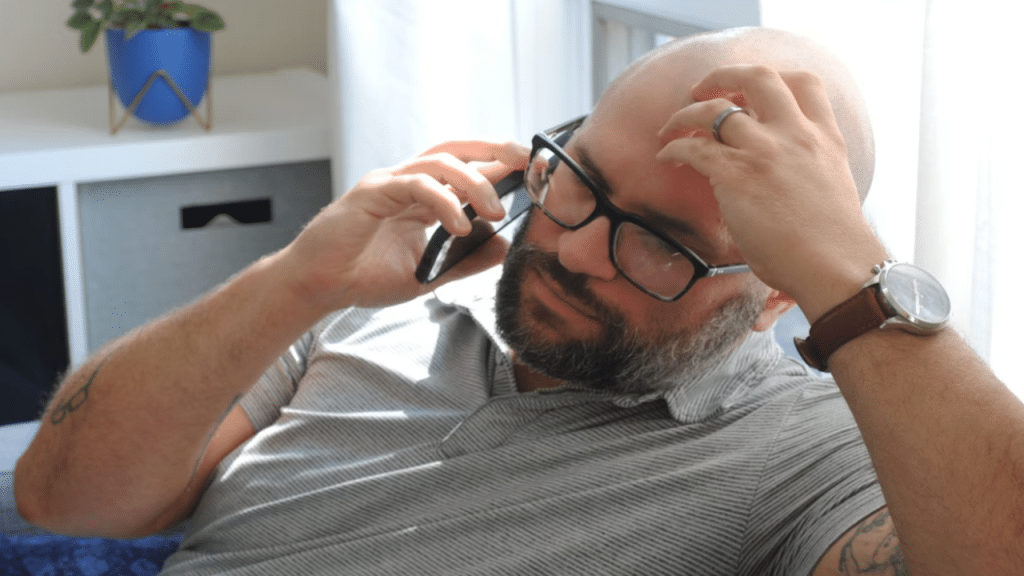
Men often fear that opening up will make them look weak, needy, or “too much.” They want to share their feelings but hesitate because vulnerability hasn’t always been welcomed in past relationships–or even in childhood. If you want him to open up, respond with curiosity, not correction. When men feel emotionally safe, they tend to offer more of themselves without being asked.
5. Fear of Not Making Their Partner Happy

A lot of men tie their self-worth to their partner’s happiness. If she’s stressed, distant, or upset, he may secretly blame himself. The tricky part? He won’t always ask what’s wrong–he’ll just assume he is what’s wrong. Help by separating your emotions from his responsibility. A simple “I’m having a rough day, but it’s not about you” can remove unnecessary pressure.
6. Fear of Getting Old

Aging hits men in quiet ways–slower recovery after workouts, body changes, decreasing stamina. But society gives men even fewer spaces to talk about aging insecurity. What helps? Framing aging as evolution, not decline. Encourage healthy routines, shared physical activities, and celebrate signs of maturity rather than pretending they aren’t happening.
7. Fear of Losing Independence

Men value autonomy, and some quietly worry that commitment means giving up hobbies, downtime, or identity. They may fear that voicing this will make them seem selfish. The key is balance: relationships thrive when both partners have personal space. Encouraging him to maintain friendships and passions actually strengthens the connection, not weakens it.
8. Fear of Not Being Good Enough in Bed

Performance anxiety is extremely common among men, but rarely admitted. Porn, bravado, and cultural expectations create pressure to be “amazing” every time. When things don’t go perfectly, he may spiral internally. Clear communication about what you like–and removing pressure to “perform”–can turn intimacy into connection rather than a scorecard.
9. Fear of Being Compared to Past Partners

Even confident men get uneasy wondering how they stack up against exes–emotionally, physically, financially, everything. He may never ask, but he absolutely notices details that trigger comparison. Reassure him by focusing on what makes your relationship unique instead of referencing past ones. He wants to feel like he’s chosen for a reason, not by default.
10. Fear of Conflict Turning Into Betrayal

Men often hesitate to bring up issues because they fear it will spark arguments or push their partner away. Some grew up in households where conflict meant chaos or abandonment. A practical workaround is creating a “calm window”–a set time to discuss things without phones, interruptions, or raised voices. This signals that disagreements don’t threaten the relationship.
11. Fear Their Partner Will Stop Respecting Them
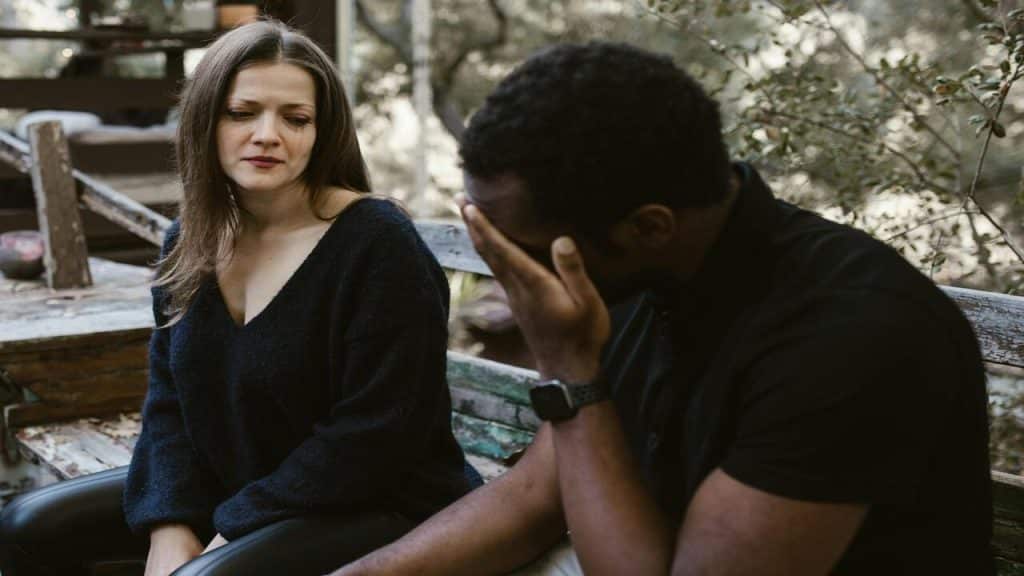
Many men equate respect with love. If they feel dismissed, talked down to, or constantly corrected, it hits hard. They may not voice this because it sounds old-fashioned, but the feeling is real. Building mutual respect–asking for opinions, acknowledging effort, avoiding belittling jokes–keeps the partnership healthy and balanced.
12. Fear of Being a Burden

Men often avoid sharing stress or sadness because they don’t want to “add more” to their partner’s plate. They’d rather shoulder everything quietly than risk appearing like a problem. The solution? Normalize check-ins. Ask, “What’s been on your mind lately?” in a warm, low-pressure way. It signals that his feelings aren’t an inconvenience.
13. Fear They’re Not Living Up to Their Potential

A lot of men privately fear they’ve fallen behind–career-wise, financially, or in personal growth. Even successful men wonder whether they’ve wasted time or taken the wrong path. These thoughts can create guilt and restlessness. Encouraging small, consistent goals and celebrating progress helps shift his mindset from self-criticism to momentum.
14. Fear of Being Taken for Granted

Men may not always express their appreciation needs, but they feel it deeply when their efforts go unnoticed. Whether it’s fixing things, planning dates, or showing up consistently, they want to feel seen. Regular gratitude–specific, genuine, and timely–keeps resentment from building on his end. A simple “I noticed that, thank you” can change the tone of an entire week.
15. Fear of Their Partner Leaving Suddenly

Even in strong relationships, many men fear sudden abandonment–often rooted in past breakups or childhood experiences. They may seem calm on the surface but fear abrupt emotional withdrawal. Reassurance through consistency is key. Predictable responses, reliability, and clear communication help counteract this underlying worry.
16. Fear of Being Misunderstood

Men often feel like their intentions get lost in translation. They may fear that one wrong word will be taken the wrong way, causing a blow-up or days of tension. Encourage clarification instead of assumption. Saying “Help me understand what you meant” creates a safer environment than jumping to conclusions.
17. Fear of Not Having the Right Answers

Men are often expected to fix things–emotionally, financially, practically. But sometimes they genuinely don’t know what to do, and admitting that feels embarrassing. Instead, they make quiet guesses and hope for the best. Normalize collaboration. Turning problems into team efforts removes the pressure to always have a perfect solution.
18. Fear of Losing Themselves in the Relationship

Even in loving relationships, men often fear that over time they’ll lose parts of themselves–their interests, ambitions, or identity. They may not say this aloud because it risks sounding uncommitted. The healthiest approach is to treat individuality like a shared project: encourage his passions, ask about his long-term goals, and make space for both of you to grow independently while growing together.








Ask Me Anything