
Marriage rarely cracks loudly. Instead, it often erodes quietly–through overlooked efforts, small dismissals, and emotional silence. Many husbands won’t complain when they feel unappreciated; they’ll keep doing their part while quietly wondering if any of it matters. But that silence builds.
It affects how invested they are, how connected they feel, and how much they continue to show up with heart. Understanding these subtle signs isn’t about blame–it’s about noticing what often goes unseen. Because just a little appreciation can revive a connection that’s quietly fading.
1. When Efforts Start to Feel Expected, Not Appreciated
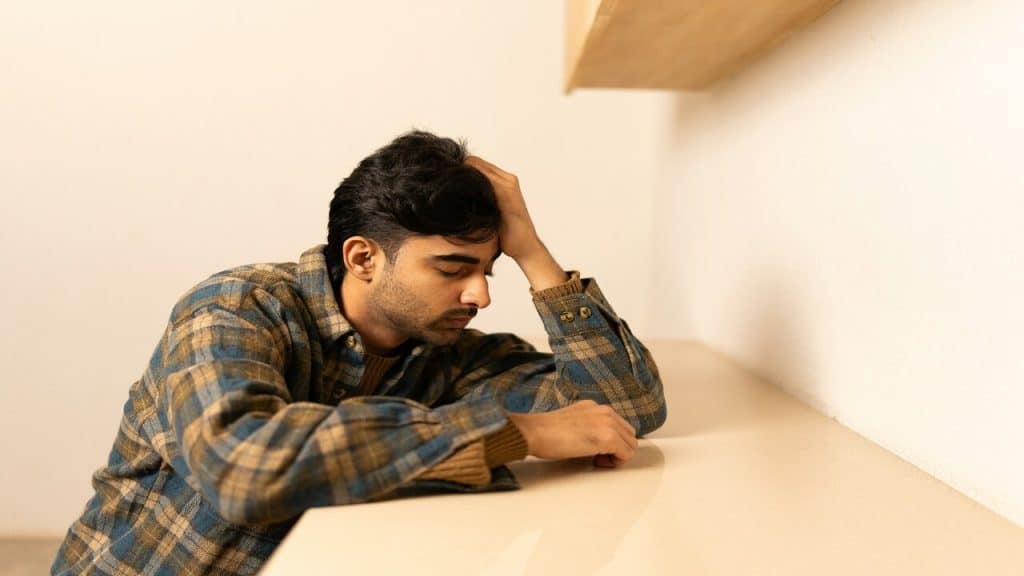
Most men don’t mind carrying responsibilities–but when their efforts become routine rather than recognized, they start to feel invisible. It’s not the work that drains them–it’s the lack of acknowledgment that follows it. Over time, “thank you” becomes rarer, and the things they do become seen as obligations instead of contributions. This leads to silent resentment–not because they want praise, but because they want to feel seen.
2. Feeling Like the “Backup Parent” Instead of an Equal One

Many men feel unappreciated when they’re treated like substitutes in their own family–called in only when mom is tired or busy. They want to be active participants in parenting, but when their opinions or instincts are dismissed, they pull back emotionally. Feeling sidelined as a father makes them feel sidelined as a husband too. Respecting their parental role builds connection–not only with their spouse but with their children as well.
3. When Every Conversation Turns Into a To-Do List

It’s easy for couples to become business partners instead of romantic partners–especially when conversations revolve only around bills, schedules, and chores. Many men feel unappreciated when talking to their spouse feels like receiving a list of instructions. What they quietly crave is connection–humor, curiosity, real interest. A moment of warmth in conversation can change everything. Without it, they begin to feel like a household employee, not a loved partner.
4. Their Ideas Get Shut Down Before Being Heard

A lot of men stop sharing ideas–not because they don’t care, but because they got used to being dismissed. When every suggestion gets met with “No, that won’t work” or “I’ve already thought of that,” they learn to stay silent. They stop offering solutions–not because they don’t have them, but because they don’t feel they’ll be respected. Appreciation doesn’t always mean agreement–it means listening with an open mind.
5. Feeling Invisible When They Walk Through the Door

The first few minutes after someone comes home can set the tone for the entire evening. Many men feel unappreciated when their arrival goes unnoticed–no greeting, no eye contact, just business as usual. It’s not about needing fanfare–it’s about wanting to feel welcomed. When their presence doesn’t register, they start to believe their absence wouldn’t either. That quiet realization changes how deeply they show up in the relationship.
6. Only Being Noticed When Something Goes Wrong

Some husbands feel like they only get attention when they make a mistake. If they fix ten things but miss one, the focus quickly shifts to the failure. When positive efforts are ignored and small errors are magnified, they feel like they’re constantly on trial. Over time, this creates emotional distance. They don’t want perfection–they just want fairness and acknowledgment of the good they do.
7. Feeling More Like a Provider Than a Partner

Many men equate love with contribution–working hard, earning money, taking care of needs. But when they feel valued only for what they provide financially, they start to feel like their emotional presence doesn’t matter. They want to be more than a credit card with shoes on. Hearing “I appreciate how hard you work” reaches deeper than most people realize–it validates not just their efforts, but their identity.
8. When Physical Affection Becomes Rare

A lack of affection doesn’t just impact intimacy–it impacts identity. When hugs, touches, or intentional closeness become scarce, many men begin to wonder if they are still attractive or desired. They may not voice it, but physical affection is often one of the few ways they feel emotionally connected. Even simple touches–a hand on the back, a kiss before leaving–can make them feel grounded and seen.
9. When Their Stress Is Minimized or Dismissed

Men are often expected to “handle it” and “stay strong,” which makes it harder for them to express stress without feeling weak. When their worries are brushed off with “That’s nothing” or “You’ll be fine,” they stop opening up. What they really want isn’t solutions–it’s empathy. Sometimes the most powerful appreciation is simply hearing, “That sounds tough. I’m with you.”
10. Feeling Judged Instead of Supported
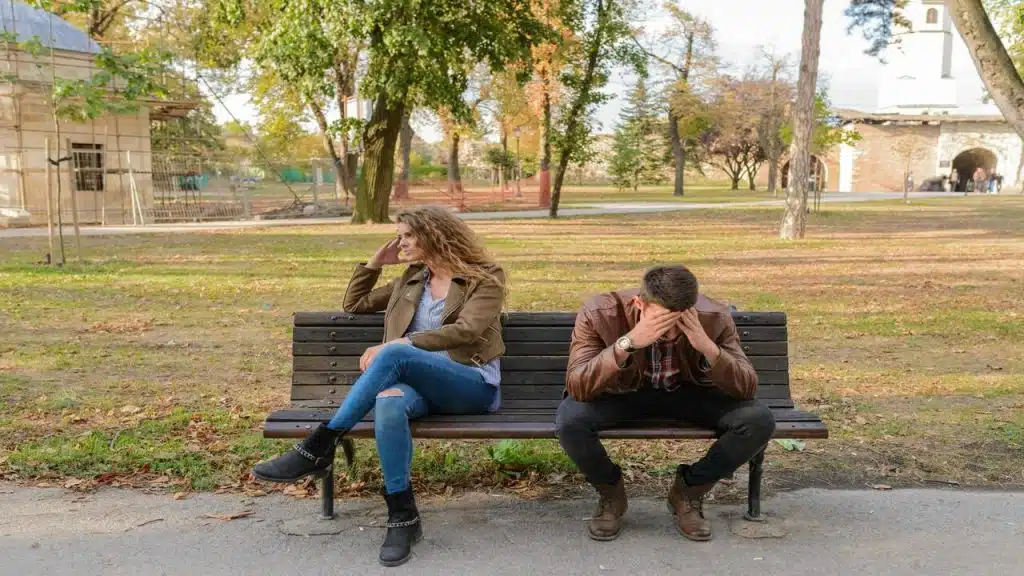
Men quietly shut down when every action is met with critique–how they drive, how they spend, how they talk, how they fix things. Being corrected constantly makes them feel incompetent at home, even if they’re highly capable outside of it. Support doesn’t mean blind agreement–it means believing in their ability to try, figure things out, and grow without being put on a leash.
11. When Their Hobbies Are Treated Like Wasted Time
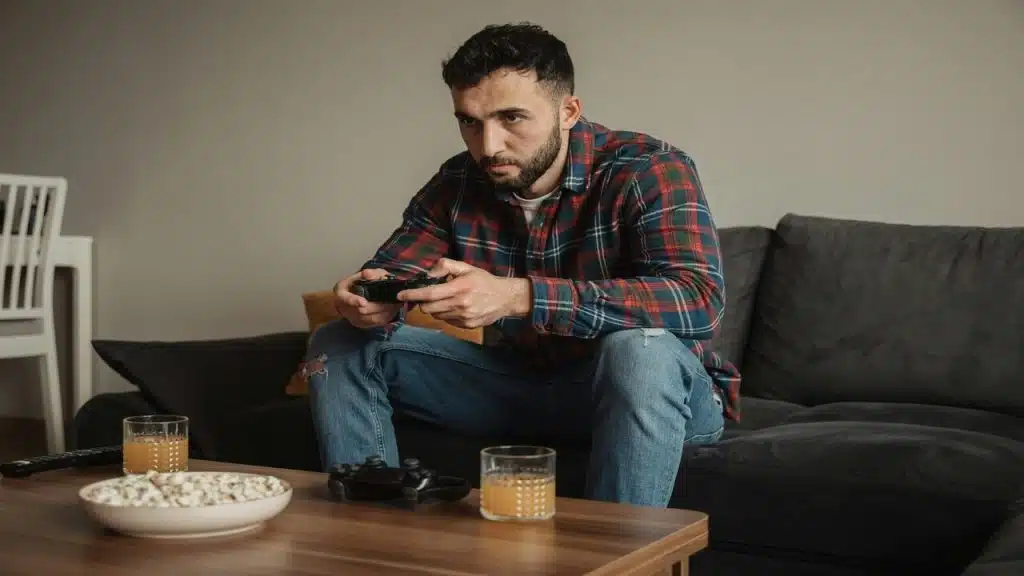
Many men recharge through hobbies–gaming, sports, music, building things. But when these interests are dismissed as childish or pointless, they feel indirectly criticized for needing downtime. Having space for personal interests isn’t selfish–it’s mental maintenance. Respecting their hobbies is another way of respecting their individuality–and without that, resentment slowly replaces joy.
12. Feeling Like Their Opinion Doesn’t Matter

It’s not always about winning arguments–sometimes, it’s simply about being heard. When decisions are made without their input, or their ideas are consistently ignored, men start to feel like outsiders in their own home. They don’t necessarily want control–they want collaboration. Being consulted isn’t just practical–it signals respect.
13. When Compliments Disappear Completely

A lot of men can’t remember the last time they heard a compliment from their spouse. Not about their looks, their effort, or their character. While many women receive encouragement naturally from friends or family, men often rely on their partner for that emotional fuel. When compliments disappear, so does confidence. Validation may seem small, but it carries quiet power.
14. Constant Comparison to Other Men

Even subtle comparisons–“He makes more,” “He helps more with the kids,” “He’s more romantic”–can sting. They don’t push men to improve–they make them feel inadequate. Every husband wants to feel like the chosen one, not the runner-up. Instead of comparisons, most men respond strongly to personal encouragement: “I believe in you.” Those words can change everything.
15. When Emotional Needs Aren’t Seen as Valid

Some men feel unappreciated simply because their emotional needs are treated as secondary–or nonexistent. They might not express them clearly, but they still want warmth, affirmation, and partnership. When emotional care is one-sided, they don’t push back–they just withdraw. The truth is: emotional support isn’t gendered. It’s human.
16. Being Taken for Granted During Tough Times

When life gets stressful–illness, financial pressure, family drama–many men step up without hesitation. But during those moments, their efforts often go unnoticed because everyone is in survival mode. Ironically, that’s when acknowledgment matters most. Even a simple “I couldn’t have handled this without you” makes the weight feel lighter. Without that, they carry the load–but feel alone doing it.
17. When Appreciation Only Comes After Conflict

Some men notice that the only time they receive appreciation is after an argument–almost as damage control. But appreciation shouldn’t be crisis-based–it should be consistent. When gratitude comes only after tension, it stops feeling sincere and starts feeling strategic. Consistent appreciation creates emotional safety–meaning conflict becomes easier to resolve, and love becomes easier to give.
18. Feeling Like Their Presence Doesn’t Make a Difference
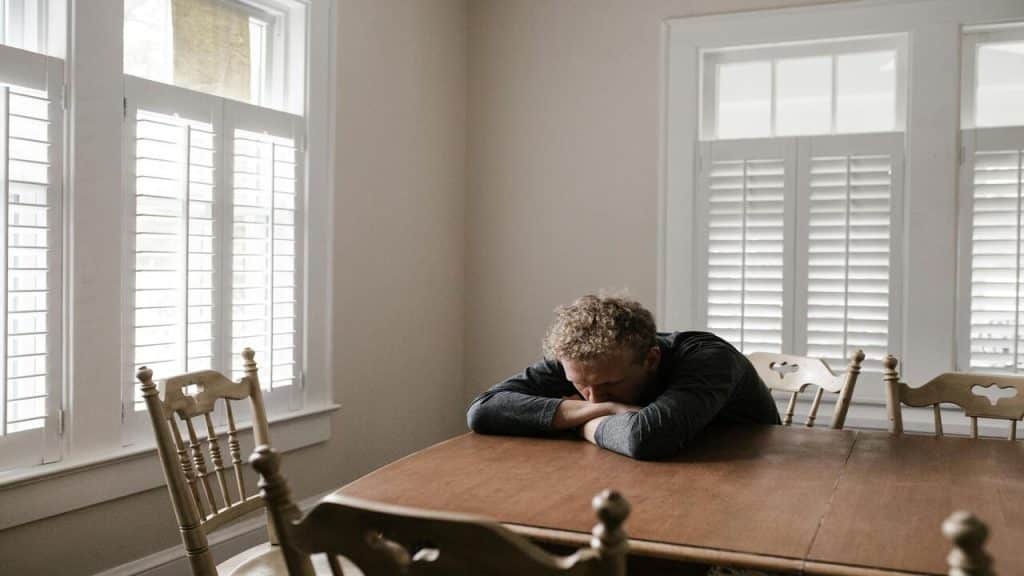
The most painful kind of unappreciation isn’t loud–it’s subtle. It’s the feeling that if they disappeared for a day, not much would change. That thought cuts deeper than criticism. Men don’t want grand gestures–they want to feel that their being there matters. Sometimes the most meaningful thing a wife can say is, “I’m glad it’s you. I’m glad you’re here.” And for many husbands–that would mean everything.








Ask Me Anything