
©Timur Weber/pexels.com
A woman getting tired of a man
Emotional imbalance doesn’t arrive with warnings; it shows up in subtle shifts that are easy to miss. A partner who has carried the emotional load for too long often begins expressing her fatigue through quiet behaviors rather than direct conversations. These signals don’t come from anger but from exhaustion that has stacked over time. The connection may still function, but it feels different, slower, quieter, and less responsive. Many men don’t notice the early signs because the relationship still “works” on the surface. But beneath the routine, she’s giving clues that she’s running out of energy to hold everything together. Recognizing these small shifts can prevent tension from turning into distance.
Her Enthusiasm for Conversations Slowly Fades

A woman who feels emotionally overloaded doesn’t stop talking entirely; she simply becomes quieter. Responses shorten, the warmth drops, and the little details she used to share start disappearing. Conversations that once flowed naturally become limited to necessities and practical topics. She listens, but her emotional engagement is weaker than before. When someone carries too much responsibility, even speaking starts to feel like labor. That diminished enthusiasm is often one of the earliest signs she’s tired of being the emotional anchor. The silence isn’t indifference, it’s fatigue.
She Stops Initiating Important Discussions

When she’s no longer the one who brings up issues, future plans, or emotional check-ins, it’s rarely because everything is perfect. It usually means she has grown tired of being the only one who starts the hard conversations. Carrying the responsibility for communication wears down her motivation over time. She may choose quiet over repeating the same concerns she feels haven’t been fully heard. The absence of initiation becomes a signal of emotional depletion. She hasn’t stopped caring, she’s stopped leading because she’s exhausted.
Her Patience Shortens in Situations She Used to Handle Easily

Patience wears thin when emotional capacity runs low. Small inconveniences begin to frustrate her more quickly, even if she doesn’t express it directly. The shift isn’t about the situation, it’s about accumulated emotional strain. When she feels like she supports everything, even minor tasks can feel overwhelming. Her reactions become sharper, not because she’s upset with the relationship but because she’s stretched too thin. This change signals internal overload, not a loss of affection.
Her Tone Turns Neutral More Often Than Warm

Emotional labor often shapes how someone communicates, and fatigue influences tone before words change. Her voice may sound flatter, more neutral, or less expressive than before. It’s not irritation or coldness, it’s emotional dryness from carrying too much for too long. The warmth she once offered freely becomes muted because she has fewer reserves left to give. This shift is subtle but consistent. Over time, tone becomes one of the clearest indicators she’s tired.
She Withdraws from Planning or Organizing

Someone who always takes responsibility eventually reaches a point where they step back. She stops organizing schedules, events, or routines, not out of disinterest, but because she no longer wants to manage everything alone. This withdrawal is a sign that the emotional weight of coordination has become too heavy. The things she once handled easily now feel like burdens she wants to let go of. When she stops taking charge, she’s signaling a need for shared responsibility. It’s a quiet request for partnership rather than dependence.
Affection Becomes Less Frequent and More Reserved

Affection requires emotional energy, and exhaustion often reduces her ability to express it. She may not reject closeness, but she offers less of it than before. The warmth behind gestures feels weaker because she’s running low on emotional reserves. This decline isn’t punishment, it’s a sign that she’s been giving too much without being replenished. Her affection becomes cautious, slower, or more selective. The shift reflects the need for emotional support, not a withdrawal of love.
She Stops Filling in the Emotional Gaps for Both of You

People who carry emotional responsibility often compensate for their partner’s silence, frustration, or distractions. When she grows tired, she stops covering those gaps. She no longer smooths over tension, reassures automatically, or interprets unspoken feelings. Instead of stepping in, she steps back. It’s a sign she can no longer be the stabilizer for both people. This change signals that she needs emotional reciprocity before continuing.
Her Interest in Shared Activities Starts to Decline

Activities you once enjoyed together may no longer appeal to her, not because she dislikes them, but because she no longer feels emotionally present. Shared moments feel heavier when her mind is tired from carrying the relationship. She participates less, suggests less, and invests less energy into planning togetherness. This shift reflects emotional depletion rather than disconnection. She wants to enjoy the relationship, but she needs recovery first.
She Responds to Emotional Conversations with Practical Answers

When emotional exhaustion is high, emotional conversations become difficult to engage with. She may default to practical responses rather than emotional ones. Instead of exploring feelings, she redirects to solutions, steps, or tasks. This shift is a protective mechanism to avoid deeper emotional strain. Her practicality doesn’t signal detachment, it signals overwhelm. The conversation style becomes a clue that she’s at her limit.
Her Expectations Quietly Lower

Lower expectations aren’t a sign of acceptance, they’re a sign she’s given up trying to improve the situation. She stops hoping for effort, gestures, or emotional partnership because she no longer has the energy to be disappointed. This quiet lowering is one of the strongest signs she’s tired. It shows she’s withdrawing emotionally to protect herself. When expectations fade, connection begins to thin.
She Becomes More Independent Than Before

Increased independence can be empowering, but it can also be a sign of emotional withdrawal. She begins handling more things alone, not out of strength, but necessity. She stops asking for help, stops sharing stress, and stops leaning on the relationship for support. This self-reliance can look positive, but emotionally, it reflects detachment. Independence becomes a refuge when partnership feels one-sided.
She Avoids Conversations That Require Emotional Vulnerability

When emotional load becomes heavy, vulnerability feels unsafe or exhausting. She may avoid deeper discussions, deflect personal questions, or keep feelings brief. Protecting her emotional energy becomes more important than opening up. This avoidance isn’t secrecy, it’s self-preservation. Vulnerability requires trust that the emotional weight will be shared, not added to.
She Appears Distracted Even When She’s Physically Present

Emotional fatigue creates mental distance. She may seem preoccupied, lost in thought, or less attentive during normal interactions. It’s not disinterest, it’s emotional overload. Her mind is juggling too much, and presence becomes difficult. This distraction is a sign that she needs relief, not correction.
She Stops Trying to Fix Tension After Disagreements
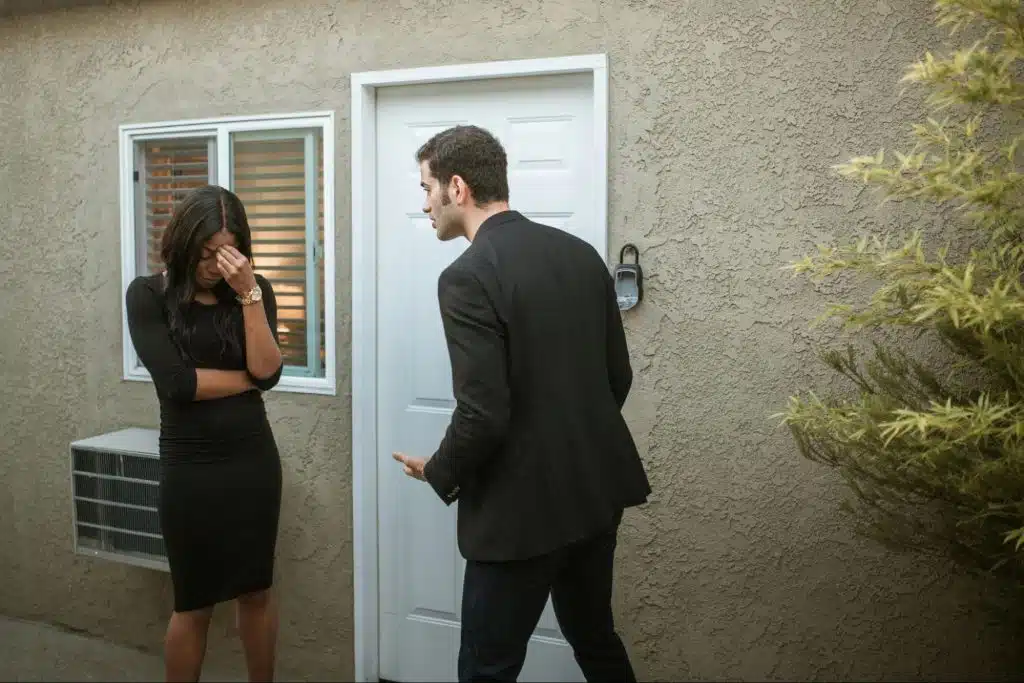
A partner who carries emotional weight often becomes the peacemaker. When she stops working to resolve disagreements, it means her emotional energy is depleted. Silence replaces repair, not because she doesn’t care, but because she’s too exhausted to mediate. She waits for you to address issues instead of stepping in first. This shift signals a need for shared effort in maintaining harmony.
Her Body Language Changes Before Her Words Do

Body language often reveals exhaustion earlier than conversations. She may lean away slightly, fold her arms more often, or reduce physical closeness subconsciously. These subtle cues show emotional tension she hasn’t verbalized yet. Her body reacts to the weight long before she expresses it aloud. Noticeable distance in posture is one of the quietest signs she’s carrying too much.
She Relies More on Others for Emotional Support

Friends, family, or even quiet solitude become safer outlets than the relationship when she’s overwhelmed. She begins expressing emotions elsewhere because she feels drained inside the relationship. This shift is not betrayal, it’s survival. When she stops turning to you first, it signals she no longer feels emotionally supported. Her outward connections reflect her internal fatigue.
Her “I’m Fine” Becomes More Frequent

“I’m fine” is often a placeholder for emotions she doesn’t have the energy to explain. It becomes a shield to avoid deeper conversations she fears will require more from her than she can give. The phrase grows more common as her emotional reserves shrink. It’s not dismissal, it’s exhaustion. When “fine” becomes her default, she’s signaling that she’s overwhelmed.
Conclusion – Emotional Weight Is Meant to Be Shared, Not Carried Alone

When a partner begins showing these subtle signals, it doesn’t mean she wants to leave, it means she needs support. Emotional imbalance becomes visible through small behaviors long before major conflict appears. These shifts aren’t accusations; they’re quiet calls for partnership, empathy, and shared responsibility. Recognizing them early allows both partners to re-center the relationship before distance becomes damaged. Emotional connection thrives when both people carry the weight together.








Ask Me Anything