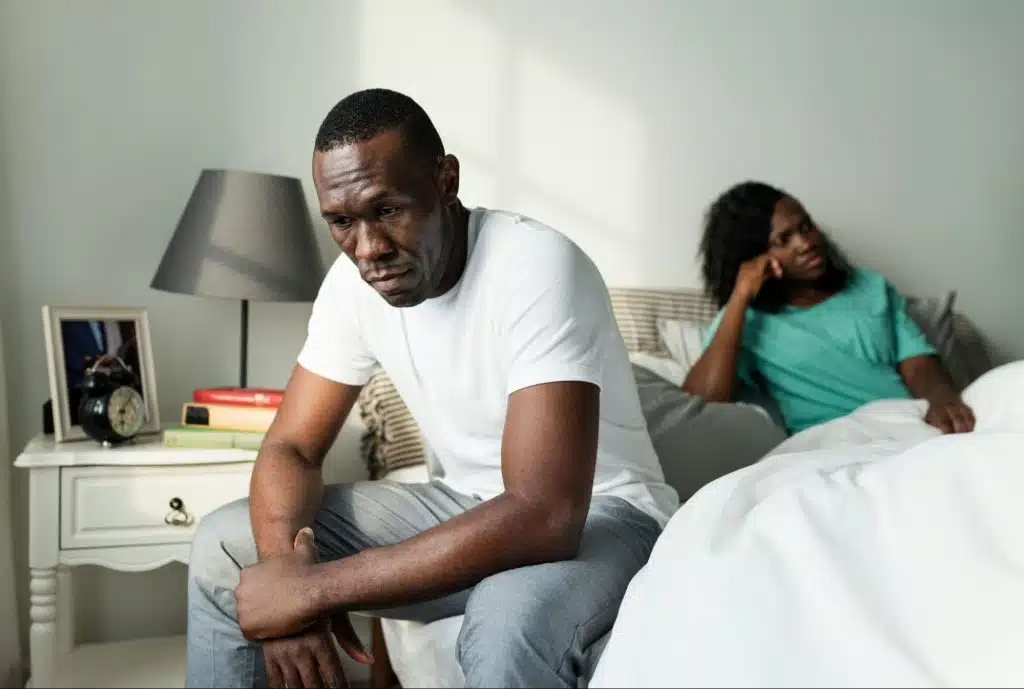
Reassurance in long-term relationships rarely disappears in one big moment; it fades slowly through small, unnoticed changes. Routine makes communication quieter, assumptions stronger, and emotional signals easier to overlook. Many men believe stability means comfort, but women often measure stability through consistent reassurance, not just reliability. When reassurance fades, it doesn’t always spark conflict; it creates an emotional gap that grows quietly. These changes aren’t intentional, but their impact becomes deeply felt over time. Understanding these subtle shifts helps prevent distance that neither partner meant to create. Recognizing them early makes rebuilding closeness far easier than repairing full disconnect later.
You Assume She Already Knows How You Feel

With years together, it becomes natural to believe your affection is obvious. Yet comfort often replaces expression, and what feels stable to you can feel uncertain to her. Silence creates room for doubt, especially when compliments and affirming words used to be normal. She may not mention it, but emotional reassurance weakens when words disappear completely. Assuming she “should know” makes her feel responsible for interpreting feelings that were once clearly communicated. Over time, this erodes the emotional security she relied on.
You Don’t Acknowledge the Things She Still Does for You

People change, but effort remains meaningful no matter how long the relationship has lasted. When her gestures go unnoticed, she senses a shift in appreciation even if you didn’t reduce your gratitude intentionally. Familiarity sometimes makes routine acts invisible, but they’re still expressions of care. She doesn’t expect grand praise, only recognition that her effort still matters. When appreciation fades, so does the emotional connection behind her actions.
Your Tone Became More Practical Than Warm

Long-term relationships often shift toward efficiency, but warmth is still part of emotional safety. A practical tone, while not unkind, lacks the reassurance she once felt in your voice. Over time, speaking only to convey information weakens the emotional layer beneath communication. She may interpret this as distance, even if you believe you’re simply being efficient. What feels normal to you can feel emotionally flat to her.
You Stopped Offering Small Encouragements She Used to Hear Often

Early in relationships, men naturally offer reassurance, “you’ve got this,” “you look great,” “I’m proud of you.” As years go by, these affirmations become less frequent, not because the feelings changed but because habits did. She notices their absence more than you realize. Encouragement acts as emotional glue, keeping her connected to you during stressful moments. Without it, she starts relying on herself more, which quietly widens the emotional distance.
You Underestimate How Much Your Presence Affects Her Stability

Many men believe that simply being around is enough, but emotional presence means more than physical proximity. When you become mentally distracted or withdrawn due to work, fatigue, or stress, she feels the shift even if you don’t. Her reassurance comes from shared moments of connection, not just coexisting. When that presence weakens, she starts filling the gap alone. This creates a one-sided emotional load she never wanted to carry.
You Don’t Clarify Misunderstandings the Way You Used To

Early on, small misunderstandings were quickly resolved, often with gentle explanations or reassurance. Now, assumptions take the place of clarity, and conversations move on without resolving concerns. She begins filling in the blanks with her own worries, even when the truth is harmless. Leaving misunderstandings hanging creates unnecessary emotional weight. Reassurance thrives on clarity, not guesswork.
Your Compliments Became Infrequent or Predictable

What used to be spontaneous becomes rare, and what used to feel sincere becomes routine. Predictable compliments eventually feel like placeholders rather than genuine observations. Women often read sincerity through variety and attentiveness. When the emotional nuance disappears, reassurance feels weaker even when the words are still spoken. The decrease in meaningful compliments is often interpreted as emotional drift, not comfort.
You Look Less Engaged When She Talks

You may be listening, but subtle changes in eye contact, body language, or patience can make her feel unheard. Over time, she begins editing what she shares, assuming certain things no longer interest you. This quiet filtering often happens before either partner notices. Emotional safety weakens when she no longer feels fully received. Engagement isn’t about the length of conversation, it’s about presence.
You Don’t Initiate Affection as Much as Before

Even if the relationship feels stable, she still interprets affection as emotional reassurance. When she becomes the primary initiator, she senses a shift in desire or connection. Lack of initiation isn’t always rejection; sometimes it’s simply habit or distraction. Yet to her, it signals change. Affection that once felt mutual begins to feel uncertain.
You Handle Your Stress Alone, Shutting Her Out Accidentally

Men often protect their partners by bottling emotions, believing it keeps the relationship calm. But emotional isolation creates unintended distance. When she sees you withdrawing, she assumes she’s losing closeness rather than respecting your need for space. Sharing even small pieces of your stress reassures her that she’s still part of your emotional world. Without this, she feels like a spectator instead of a partner.
You Give Short Answers to Conversations That Used to Be Longer

She notices when your responses become shorter, quicker, or less thoughtful. This change may not be intentional, but it signals a drop in emotional engagement. Short answers make her feel like she’s interrupting rather than connecting. Over time, she shares less because she feels the conversation isn’t mutual anymore. This slowly shifts the dynamic from partnership to polite coexistence.
You Assume Time Together Is Enough, Even When It’s Not Quality Time

Men often equate time with connection, while women look for quality within that time. Sitting together, watching TV, or sharing a room doesn’t always translate to emotional closeness. When meaningful interaction fades, she feels disconnected even if you believe you’re spending time together. Reassurance comes from intention, not proximity. Without quality moments, the emotional bond weakens.
You Don’t Affirm Her Role or Efforts in the Relationship

Whether she manages the home, career stress, emotional labor, or family responsibilities, affirmation matters. When you stop acknowledging the weight she carries, she feels unseen rather than supported. Men often assume her competence means she doesn’t need reassurance. But even strong partners need to feel valued. Lack of affirmation slowly erodes emotional closeness.
You Avoid Difficult Topics Instead of Addressing Them Gently

Avoidance feels peaceful in the moment but creates uncertainty in the long run. She interprets this as emotional withdrawal rather than conflict prevention. Difficult topics handled with reassurance strengthen trust, not tension. When issues are ignored, she fills the silence with her own fears or assumptions. This subtle emotional distance becomes more impactful than the problem itself.
You Don’t Show Interest in Her Growth, Dreams, or Challenges

As years pass, some men assume their partner’s goals stay the same. But women evolve, emotionally and personally, and they notice when their partner stops keeping up. Lack of curiosity feels like a lack of care. She wants to feel witnessed as she grows, not taken for granted. Without active interest, she feels emotionally unsupported even if the relationship seems functional.
You React More to Problems Than to Her Needs

When life becomes stressful, men often shift into problem-solving mode. But emotional reassurance requires responding to her feelings, not just the situation. If your first instinct is logic instead of empathy, she feels misunderstood. Over time, she stops bringing emotional concerns to you. This removes one of the core channels of closeness you once shared.
You No Longer Express Gratitude for the Stability She Helps Maintain

A stable relationship doesn’t maintain itself. When gratitude fades, she feels like the stability she contributes is invisible. Men often express gratitude through actions, but she may need words to feel appreciated. Without vocal recognition, she interprets silence as indifference. Over time, lack of expressed gratitude becomes one of the strongest forms of emotional distance.
Conclusion

Reassurance isn’t a luxury in long-term relationships; it’s part of the foundation that keeps emotional closeness alive. When small expressions fade, uncertainty grows slowly and quietly. None of these changes reflect lack of love, they reflect habits that shift with age, stress, and routine. But once awareness returns, closeness becomes rebuildable. Reassurance doesn’t require grand gestures, only consistent attention to the emotional cues that keep partners connected. Rediscovering these small expressions can restore a level of intimacy that routine often takes for granted.








Ask Me Anything