
Not every argument in a marriage sounds loud. Sometimes, it sounds polite. Couples don’t always fight with raised voices–many slowly disconnect using quiet, careful language. When politeness becomes a shield, it can signal emotional distance, suppressed frustration, or the fear that honesty will start a conflict. Experts warn that when couples start prioritizing peace over truth, the relationship may already be in trouble.
Here are 17 polite phrases that seem harmless–but might be silent warning signs that your marriage needs attention.
“It’s fine, don’t worry about it.”

This phrase is often used to avoid conflict–but usually when something isn’t fine. It signals emotional retreat and a lack of safety in expressing true feelings. When a spouse constantly uses this line, it may mean they’ve given up on being understood. Over time, these small buried frustrations build emotional distance. A healthier alternative is asking, “I want to understand–can we talk about it later when things are calmer?”
“Do whatever you want.”

This might sound permissive, but it often means “I don’t feel heard anyway.” It can indicate surrender–not agreement. When a partner stops giving input, it may signal they feel powerless or dismissed in decision-making. That silence chips away at emotional intimacy. Strong marriages don’t avoid disagreement–they create space for both opinions to matter equally.
“Never mind.”

This phrase can hide deeper pain: “I don’t think you care.” It often signals loneliness in a relationship, where one person no longer expects emotional support. Eventually, they may start turning to friends, family–or silence–for comfort instead of their spouse. Real intimacy begins when both partners feel like their worries are welcome, not burdensome.
“Let’s just drop it.”

When used occasionally, this can keep conversations from escalating. But when it becomes a pattern, it shuts down communication completely. It suggests one partner doesn’t believe resolution is possible–or worth the effort. Healthy couples don’t avoid difficult topics–they learn to revisit them calmly when emotions settle. Silence isn’t always peace; sometimes it’s a warning sign.
“I’m just tired, that’s all.”

Fatigue is real–but sometimes “tired” is a cover for emotional burnout. If one partner repeatedly retreats behind this excuse, it may be their way of avoiding connection, conversation, or intimacy. When exhaustion becomes a habit, not a moment, it could be a sign of prolonged stress–or quiet dissatisfaction within the marriage. Genuine rest heals. Emotional withdrawal doesn’t.
“Whatever makes you happy.”

This sounds supportive–but at times it really means, “My happiness doesn’t matter anymore.” It may suggest imbalance in the relationship, where one person feels they must accommodate the other to keep the peace. Compromise is healthy–but emotional self-erasure is not. Strong marriages allow room for both happiness and honest negotiation.
“I understand” – said without real discussion.
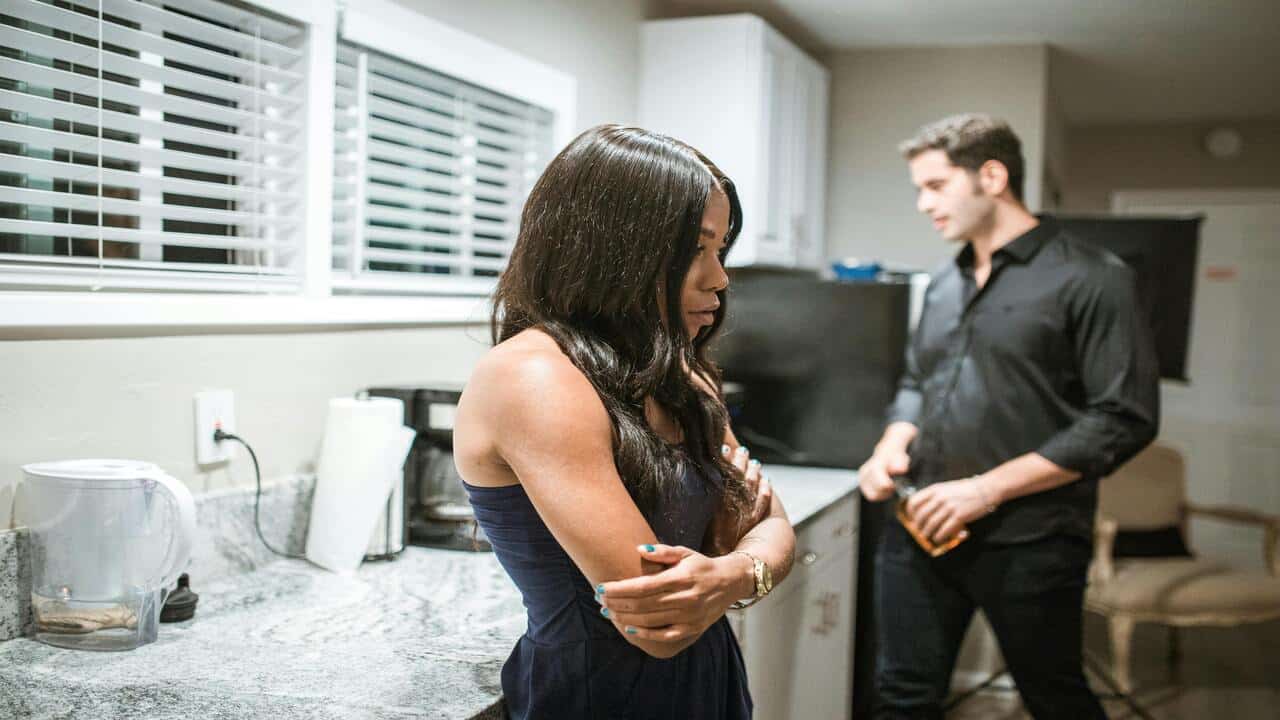
Understanding should come with conversation–not silence. When a spouse immediately says, “I understand” but doesn’t ask questions or express feelings, it could mean they’re avoiding deeper engagement. It’s a shortcut response that prevents emotional connection. Real understanding takes time, curiosity, and patience–not just polite agreement.
“It’s your decision.”

Delegating decisions is fine sometimes–but constant deferral may signal emotional withdrawal. It can indicate that one partner no longer wants responsibility–or doesn’t feel their opinion is valued. A good partnership involves shared decisions, even in small things. When one person stops weighing in, it may reflect a quiet step away from the relationship.
“I don’t want to argue.”

Avoiding conflict isn’t always noble–it can also be a fear response. Couples who never argue may not be as healthy as they seem. If one partner uses this phrase to shut down conversation, it signals emotional avoidance rather than maturity. Growth doesn’t come from silence but from learning how to disagree safely. The goal isn’t fewer arguments–it’s healthier ones.
“I’ll do it myself.”

Independence turns unhealthy when it becomes isolation. This phrase can hide resentment–especially if one partner feels unsupported or habitually let down. Doing everything alone is often a defense mechanism: “I’d rather not be disappointed again.” The problem isn’t capability–it’s lack of teamwork. A strong marriage doesn’t divide tasks–it shares them.
“It’s not a big deal.”

If someone says this while visibly upset, it’s often the opposite of true. This phrase minimizes feelings and blocks honest communication. It can lead to long-term emotional numbness where one partner stops acknowledging their needs entirely. Small things matter because they reveal deeper patterns. Ignoring them doesn’t solve them–it simply delays the fallout.
“I just want you to be happy.”

This can be a genuine statement–or a sign someone has stopped advocating for their own needs. One-sided emotional sacrifice may look loving, but it often turns into resentment. Healthy love isn’t about abandoning your identity for your spouse–it’s about growing individually and together. When spoken too often, this phrase might signal a disappearing sense of self.
“We’ll talk about it later.”

“Later” often means “never.” This phrase delays important conversations and eventually trains both partners to ignore issues entirely. The danger is that the more things are postponed, the harder they are to address. Emotionally healthy couples don’t always talk right away–but they do set an intentional time to revisit the topic and follow through.
“You deserve better.”

This sounds selfless–but sometimes it’s actually an exit strategy. It may signal a partner who has mentally checked out of the relationship and is preparing for detachment. Instead of confronting what’s going wrong, they frame it as a noble sacrifice. That mindset often hides guilt, shame, or a quiet loss of hope. What’s needed instead is teamwork–not surrender.
“Let’s just keep the peace.”

Keeping the peace is healthy–avoiding the truth is not. This phrase often signals that harmony has become more important than honesty. Couples who fear conflict may avoid necessary conversations until resentment silently grows. The strongest bonds don’t come from being conflict-free–but from knowing you can face hard moments together and come out stronger.
“I don’t want to make things awkward.”

This often masks a fear of vulnerability. But avoiding awkwardness prevents growth and blocks emotional closeness. Marriage sometimes needs uncomfortable conversations to evolve. When people are too careful with each other, intimacy suffers. If the emotional air always stays perfectly smooth, it usually means someone is holding back more than they show.
“It is what it is.”

This phrase represents acceptance–but sometimes it’s actually defeat. It may signal that one partner has stopped believing things can change or improve. Hopelessness is one of the quietest signs of trouble in a marriage. Real love fights for solutions, even when things feel heavy. If either spouse starts surrendering to “what is,” it’s time to ask: When did we stop hoping?








Ask Me Anything