
Sometimes relationships don’t end with fireworks or betrayal–they quietly fade because of small habits we brush off as “no big deal.” But psychologists say the slow, subtle erosion is often what kills love the fastest. It’s not always the arguments that are dangerous–it’s the silence, the routine, the emotional shortcuts we take.
These habits may seem harmless on the surface, but over time they weaken connection, create distance, and make two people feel more like roommates than partners. If you want your relationship to last, these are the behaviors to watch out for–before they go from unnoticed… to irreversible.
Keeping Score Instead of Solving Problems

When partners start keeping mental tallies of who did what, the relationship shifts from “us” to “me vs. you.” Keeping score is rooted in resentment and often leads to petty arguments–or worse, emotional detachment. Healthy couples don’t aim for fairness in every single moment; they aim for mutual effort over time. Be aware of thoughts like “I did this, so they should do that.” It’s a sign you’re no longer giving freely. Instead of scorekeeping, talk openly: “I’m feeling overwhelmed–can we rebalance things a bit?” That keeps you on the same team.
Using Jokes to Hide Real Issues

Humor can be a healthy coping mechanism–but it can also be a smokescreen. If everything turns into a joke, real concerns never get addressed. Sarcasm disguised as “teasing” can also chip away at confidence and trust. Experts call this deflection, and it usually creates emotional distance. Try being honest instead of witty. The difference between laughter that bonds and laughter that hurts is whether the other person feels respected afterward. Ask yourself: “Am I joking to connect–or to avoid vulnerability?”
Expecting Your Partner to Read Your Mind

Many people believe that if someone truly loves them, they should just know what they need. But mind-reading isn’t romantic–it’s unrealistic. When needs go unspoken, they don’t disappear; they turn into disappointment and resentment. Clear communication isn’t nagging–it’s respect. Try replacing silent expectations with simple, direct statements: “It would mean a lot to me if…” or “I feel loved when…” The more specific you are, the more connected you’ll feel.
Treating “Quality Time” as Optional

A relationship can survive occasional conflict–but it cannot survive emotional starvation. Many couples assume that being physically near each other counts as quality time, but proximity isn’t presence. Real connection requires intention. Put the phones away, ask real questions, and show interest in each other’s world. Even 20 focused minutes can do more for a relationship than an entire evening spent multitasking. When time together becomes automatic, love slowly becomes background noise.
Believing Small Criticisms Are Innocent

Those tiny comments–“Why do you always do that?” or “You never listen”–may seem harmless, but over time they drain confidence and trust. Psychologists call this micro-criticism, and it slowly convinces your partner they’re not good enough. It’s not about avoiding conflict–it’s about choosing how you phrase it. Try shifting from blame to collaboration: “Can we find a better way to handle this?” That simple change keeps dignity intact and prevents resentment from building.
Ignoring Your Own Growth

A relationship struggles when one–or both–partners stop evolving. When someone abandons their goals, social life, or hobbies, they start relying on the relationship for identity–and that creates pressure. Growth brings energy into love. Learning something new, trying a hobby, or expanding your world makes you a better partner. The more fulfilled you are as an individual, the more you can give as a couple. Stagnation kills attraction; growth creates it.
Refusing to Apologize Properly

“I’m sorry you feel that way” is not an apology–it’s deflection. Real apologies take ownership: “I see how that hurt you. I understand. I’ll do better.” A proper apology builds trust because it shows accountability and emotional maturity. Without it, arguments keep looping, never really resolved. The goal isn’t to win–it’s to repair. A genuine apology doesn’t weaken you; it strengthens the relationship.
Avoiding Difficult Conversations

Silence doesn’t prevent conflict–it just delays it. Many couples avoid tough topics because they’re afraid of rocking the boat, but avoidance makes problems grow in the shadows. Healthy relationships are built on emotional safety, and that includes talking about money, boundaries, sex, and future plans–even when it feels uncomfortable. Courageous conversations prevent resentment from silently building. If you never argue, it doesn’t mean you’re great together–it might mean someone is holding everything in.
Comparing Your Relationship to Others

Social media has convinced many people that love is supposed to look perfect–and comparison quietly poisons contentment. When you measure your relationship against curated highlights online, you stop appreciating what’s real. Instead of asking “Why aren’t we like them?” ask “What works for us?” Turn comparison into curiosity: What do we need more of? What already works? Love thrives when it’s customized–not copied.
Making Your Partner Responsible for Your Happiness

One subtle mistake is believing your partner’s job is to keep you happy. That creates pressure–and ultimately disappointment. A partner should add to your happiness, not carry it. A healthy relationship is like a team: both people bring their own sense of purpose, calm, and self-awareness. Work on your own emotional health, and the relationship will usually follow. When you walk in full instead of empty, connection becomes much easier.
Forgetting to Show Appreciation

People don’t stop loving each other because of a single big problem–they stop feeling seen. When everyday efforts go unnoticed, affection fades. A simple “Thank you, I noticed that” can be more powerful than grand gestures. The longer appreciation goes unspoken, the more invisible someone feels. Try making it a daily habit: call out one thing your partner did that made your life easier. Appreciation costs nothing–but it deposits emotional wealth.
Treating the Relationship Like a Routine

The most dangerous phase of a relationship isn’t arguing–it’s autopilot. When everything becomes predictable, passion quietly fades. Think of relationships like living things–they need new experiences to stay alive. Surprise each other. Ask new questions. Try different routines. Even tiny shifts–a new walking route, a new recipe, a weekly check-in–can bring energy back. Comfort is good, but curiosity keeps love awake.
Talking More Than Listening

Some people don’t realize that their partner has stopped opening up–not because there’s nothing to say, but because they stopped feeling heard. Listening means more than waiting for your turn to talk. It means putting your phone down, making eye contact, and resisting the urge to fix everything. Sometimes people don’t need solutions–they need space to be understood. Listening is one of the most underrated forms of love.
Not Setting Boundaries with Family or Friends

Outside influence can silently damage a relationship–especially when neither partner sets healthy boundaries. If every decision needs approval from parents, friends, or group chats, the relationship loses its foundation. You’re a couple first–everything else comes second. Protect your privacy. Agree on what stays between you. Unity creates safety, and safety builds closeness. A third party should never have a louder voice than your partner.
Avoiding Physical Affection Outside of Sex

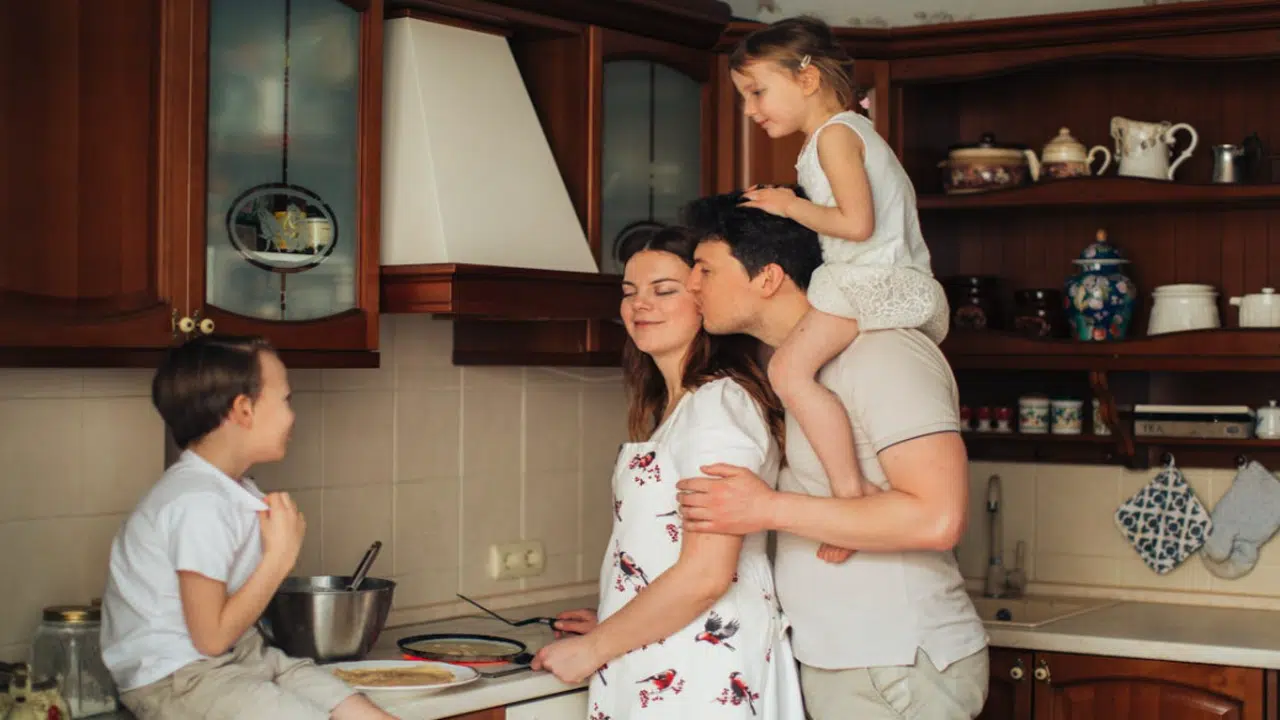
Touch is one of the most powerful ways humans experience connection–but when it only happens in the bedroom, it creates pressure instead of comfort. Non-sexual affection (a hug from behind, a hand squeeze, a forehead kiss) triggers bonding hormones that make people feel safe and wanted. It’s not about passion–it’s about presence. The smallest gestures often speak the loudest: I’m here. We’re okay. I choose you.
Neglecting Emotional Check-Ins

A relationship can look fine on the outside while cracks form underneath. Emotional check-ins help you catch them early. Ask once a week: “How are we doing? Anything we need to improve?” These conversations don’t have to be heavy–they just need to be consistent. When you build a habit of openness, problems don’t have time to grow roots. The strongest couples talk about the relationship before it’s in trouble.
Believing Love Should Be Effortless
One of the biggest myths about love is that “if it’s meant to be, it should be easy.” But anything valuable–health, career, growth–requires effort. Relationships don’t fail because they’re hard; they fail because people stop trying. Effort doesn’t mean struggle–it means intention. Choosing to care. Choosing to show up. Passion might spark a relationship–but commitment keeps it alive. Real love isn’t effortless. It’s practiced.








Ask Me Anything