
Emotional gaps in long-term relationships rarely appear because of major mistakes; they emerge through subtle habits men don’t even realize they’re repeating. Most husbands care deeply, but the quiet pressures of work, routine, and aging can slowly pull attention away from connection. Over time, these unnoticed shifts accumulate, leaving partners feeling less understood or less emotionally held. Nothing dramatic happens, yet the bond feels thinner and harder to access. This introduction explores how small, unintentional behaviors become the silent roots of emotional distance. Understanding these patterns helps prevent misunderstandings that never needed to happen in the first place.
He Starts Responding With Logic Instead of Emotion

Many husbands default to problem-solving even when their partner is seeking empathy instead of solutions. The intention is helpful, but the impact feels like emotional dismissal. When feelings are met with logic, it unintentionally communicates distance. A partner may walk away feeling unheard even though effort was made to respond. Over time, this mismatch in communication style creates a quiet emotional gap.
He Underestimates How Much His Tone Changes Under Stress
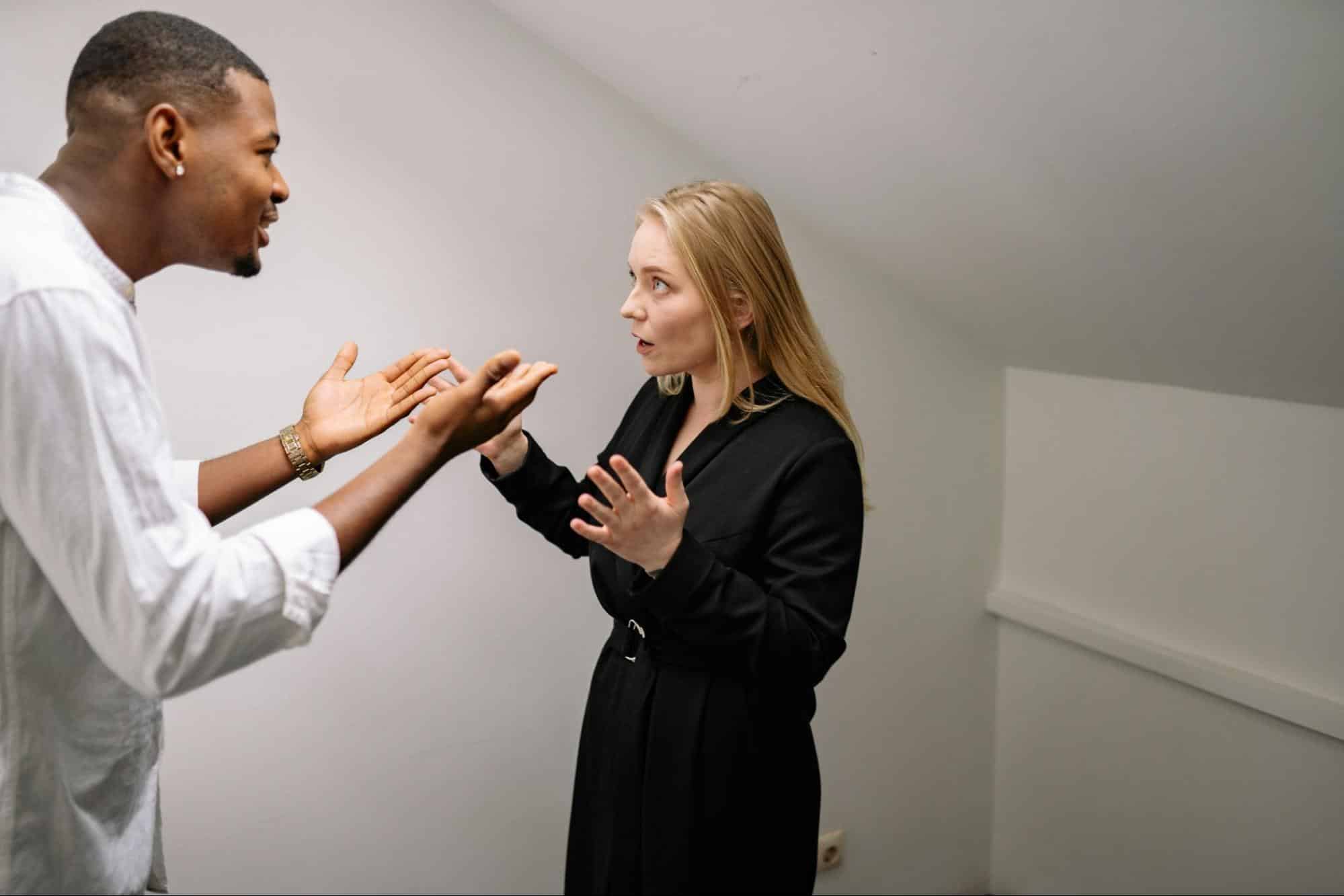
Stress alters tone in subtle ways long before words change. Shorter replies, flatter delivery, or accidental sharpness can make a partner feel pushed away. Even when stress has nothing to do with the relationship, it reshapes the emotional atmosphere at home. A small shift in vocal warmth can feel like a large shift in connection. These changes go unnoticed by husbands but not by the person listening.
He Stops Verbalizing Appreciation Because the Routine Feels Familiar

Long-term stability can make appreciation feel implied rather than expressed. Husbands often assume their gratitude is understood without needing to be spoken aloud. Over time, silence replaces acknowledgment, creating space for doubt and emotional distance. Even small affirmations strengthen connection, and their absence is more noticeable than expected. The gap appears not from lack of love but from lack of reminders.
He Multitasks While She’s Talking Without Realizing How It Feels

Responding while scrolling, typing, or half-listening gives the impression that attention is divided. Even if the husband hears every word, the partner feels secondary to whatever is happening on the screen. This unintentional distraction communicates that the conversation isn’t a priority. Emotional gaps grow widest in moments of subtle inattention. Presence matters as much as participation.
He Assumes Silence Means Everything Is Fine

Many men interpret quiet moments as signs of stability, but their partner may interpret silence differently. Emotional needs often go unspoken, not because they’re absent but because expressing them feels tiring. Assuming calmness equals contentment causes partners to drift emotionally without realizing it. Small concerns accumulate when they’re not gently checked on. A gap forms from what goes unsaid, not what goes wrong.
He Doesn’t Notice When His Partner’s Emotional Cues Change

Subtle signs, reduced eye contact, shorter replies, or quieter energy, often go unnoticed. Husbands may not see these signals because they’re not framed as problems. Yet these cues are often early warnings that connection needs attention. When shifts in mood aren’t acknowledged, partners feel unseen. Emotional gaps grow fastest when emotional cues are missed entirely.
He Uses Humor to Defuse Tension That Needed to Be Discussed
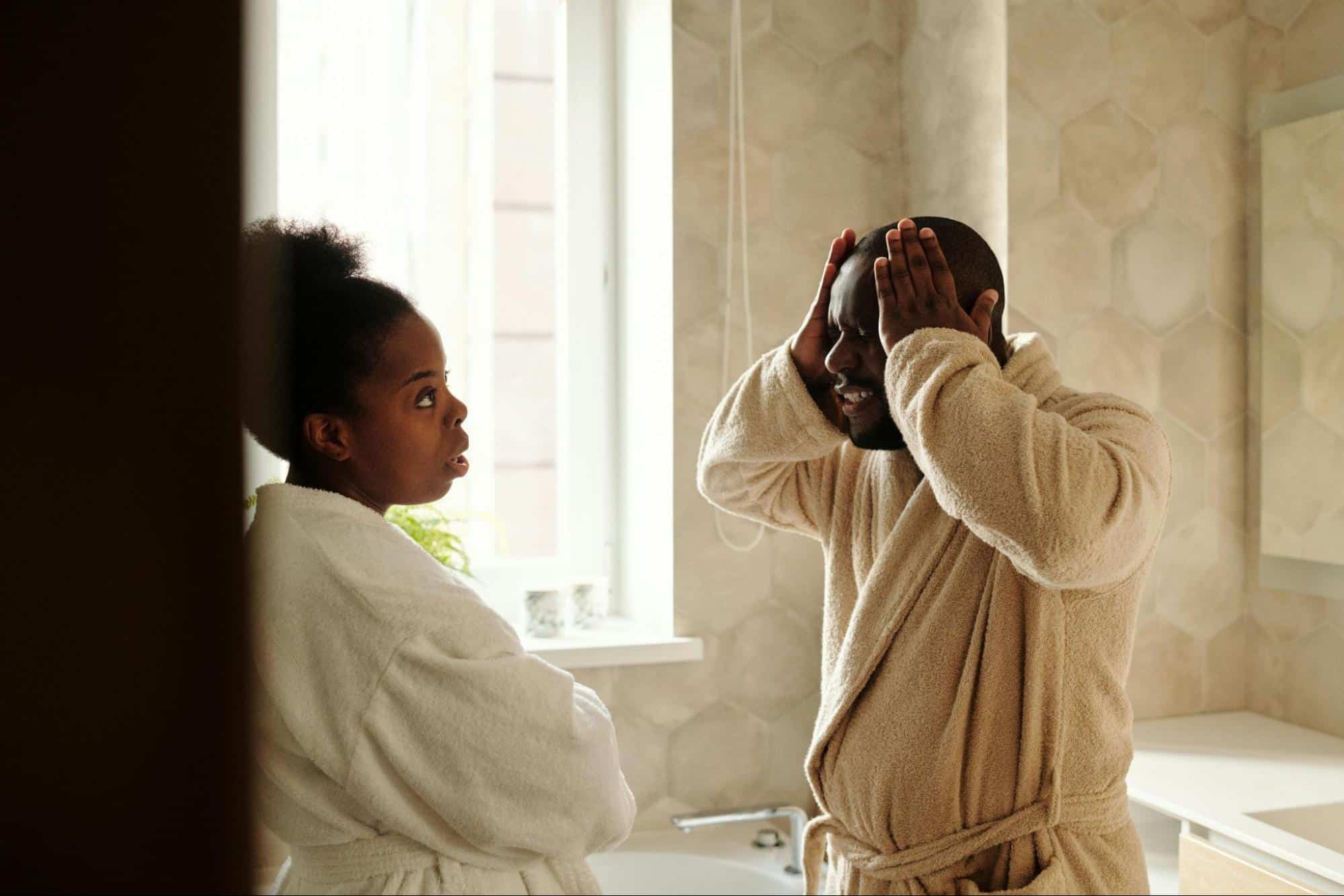
Humor often serves as a soft way to redirect discomfort, but sometimes it derails needed emotional conversations. Jokes can unintentionally minimize feelings that were meant to be taken seriously. A partner may feel brushed aside instead of comforted. Avoiding conflict with humor creates distance disguised as lightness. Over time, laughter replaces understanding in a way that widens emotional space.
He Becomes Predictably Reserved Instead of Communicative

A consistent pattern of quiet withdrawal becomes easier than emotional engagement. Husbands often pull inward when overwhelmed, not realizing how isolating this feels to their partner. Even if nothing is wrong, the emotional absence becomes noticeable. Predictability without emotional openness creates a steady sense of distance. The routine becomes comforting to him and concerning to her.
He Focuses on Providing Stability Instead of Emotional Presence

Many men show love through responsibility, protection, and reliability. While these efforts matter, emotional presence can unintentionally fall behind. A partner may appreciate the support yet still feel disconnected. The emphasis on doing can overshadow the importance of simply being. Relationships weaken when practical care replaces emotional availability.
He Misses Opportunities for Small Reassurances

Partners don’t always need grand gestures; they often need simple acknowledgment. When these small moments are overlooked, emotional warmth slowly fades. Husbands may not realize how much reassurance keeps connection strong. A missed check-in or a delayed response may seem minor, but their cumulative effect is significant. Emotional gaps often begin with neglected moments, not conflict.
He Doesn’t Realize When His Withdrawal Feels Personal

Men often retreat to recharge, but their partner may interpret the withdrawal differently. It can feel like a shift away from closeness rather than a need for space. Without clarity, distance becomes the default interpretation. The intention may be self-preservation, but the impact feels like exclusion. Emotional gaps widen when motives aren’t communicated.
He Thinks Fixing Practical Problems Solves Emotional Ones

Many husbands address issues by repairing what’s physical or logistical. Emotional problems require a different kind of presence, one that can’t be solved through action alone. When practical solutions replace emotional understanding, partners feel unseen. The gap grows not from lack of effort but from misaligned effort. Emotional healing asks for connection, not correction.
He Underestimates How Much His Facial Expressions Communicate

A neutral or tired expression can appear uninterested or frustrated without intention. Husbands may be thinking about something unrelated, yet their partner interprets the expression emotionally. These misunderstandings accumulate over time. Nonverbal signals carry more weight in long-term relationships than most realize. Emotional gaps grow when outward cues don’t match inward feelings.
He Becomes Less Curious About His Partner’s Inner World
Interest often fades unintentionally when routines take over. Questions become practical rather than emotional. A partner may feel their thoughts or changes no longer matter as much. Emotional connection thrives on curiosity, and its absence signals distance. When curiosity fades, closeness fades with it.
He Responds to Emotional Conversations With Efficiency Instead of Empathy

Many men try to reduce tension by reaching quick resolutions. Emotional topics often require slow processing instead. A partner may feel rushed or minimized when conversations are handled too efficiently. The intention is to help, but the impact feels hurried. Emotional gaps grow when conversations lack space to breathe.
He Doesn’t Notice When His Partner Stops Bringing Things Up

Silence isn’t always peace, sometimes it’s resignation. A partner who stops expressing concerns may feel unheard or exhausted. Husbands may interpret the quiet as improvement, not emotional withdrawal. Disengagement is one of the strongest signs of distance. When communication ends, connection weakens.
He Overlooks the Emotional Cost of Routine Disconnection

Small disconnections, late nights, distracted dinners, rushed mornings, accumulate subtly. None feel harmful individually, but together they reshape emotional closeness. Partners feel the slow erosion before husbands recognize it. Without intentional reconnection, routine becomes distance. Emotional gaps often form in the spaces where attention used to live.
CONCLUSION

Emotional Gaps Aren’t Created on Purpose, They Appear When Awareness Fades
Most husbands don’t create emotional distance intentionally; it appears through habits formed under stress, fatigue, or routine. These small behaviors accumulate until the connection feels thinner than it used to. Recognizing these signals allows partners to address emotional drift before it becomes resentment. Awareness restores closeness where silence once grew. When both partners feel seen, heard, and valued, emotional gaps have no space to form.








Ask Me Anything