
Midlife introduces subtle shifts in energy, priorities, and emotional bandwidth that many men don’t immediately recognize. Responsibilities increase while personal reserves decrease, and the relationship quietly absorbs the effects. Partners often sense these shifts long before they are acknowledged, interpreting them through emotional cues rather than explanations. What feels like routine or harmless habit from a man’s perspective can register as distance, indifference, or disconnection to a partner. These small behaviors rarely feel intentional, yet they accumulate into a pattern that silently affects the relationship. Understanding these habits is less about blame and more about awareness of the emotional signals partners naturally respond to. Recognizing them early can prevent long-term misunderstandings that are difficult to untangle later.
Defaulting to Routine Instead of Intention
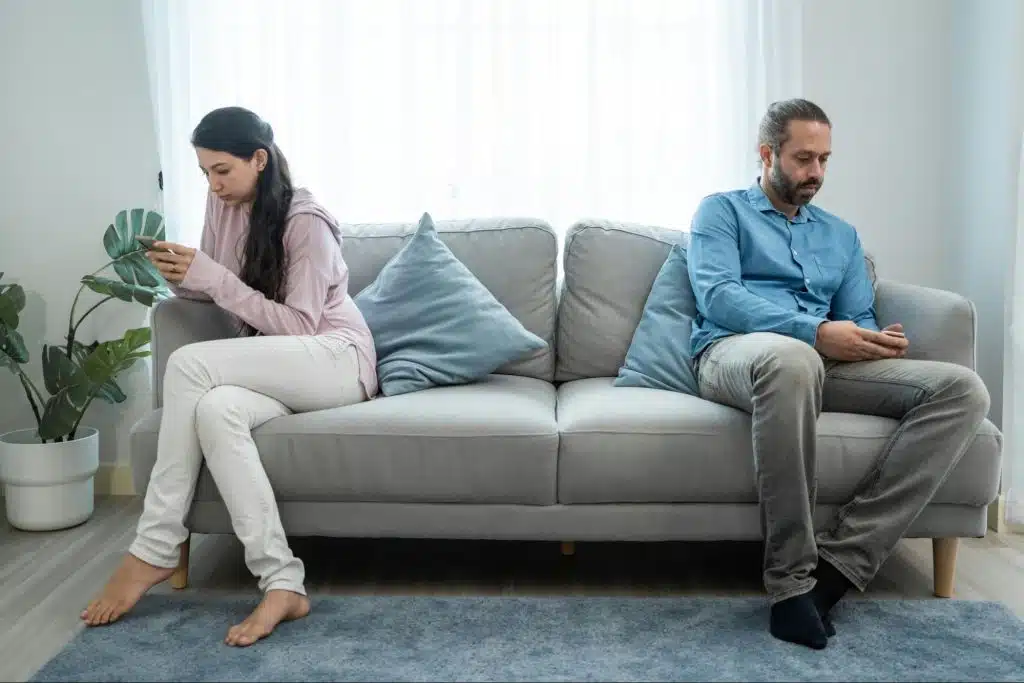
As midlife settles in, many men lean heavily on routine because it feels efficient and predictable. However, patterns that once represented stability can begin to feel impersonal when they lack thoughtful intention. A partner may interpret the lack of change as emotional stagnation rather than comfort. Predictability without warmth can slowly erode the feeling of being chosen, not just lived with. Even small gestures, when repeated without variation, lose their emotional impact. Over time, the relationship shifts from meaningful effort to automatic habit in ways a partner feels more deeply than expressed.
Letting Stress Replace Presence

The mental weight of midlife responsibilities often pushes men into a quiet survival mode. Stress becomes the filter through which conversations and interactions pass, reducing emotional availability without deliberate choice. A partner may interpret this as disengagement rather than pressure. When stress consistently overrides presence, it signals that the relationship ranks lower than whatever is occupying the mind. Even when the behavior isn’t intentional, the emotional distance it creates feels personal. This subtle shift slowly changes how supported a partner feels during everyday life.
Giving Practical Solutions Instead of Emotional Responses

Midlife encourages efficiency, so offering solutions feels like the most helpful response. Yet many partners look for emotional connection, not quick fixes. When discussions repeatedly turn into problem-solving sessions, it can feel dismissive rather than supportive. A partner may interpret the lack of emotional engagement as a lack of interest. Over time, this pattern makes conversations feel transactional instead of bonding. The absence of emotional acknowledgment often resonates louder than any advice given.
Assuming Long-Term Stability Requires Less Effort

Years together can create a sense of automatic security, leading men to believe the relationship doesn’t require the same level of nurturing. A partner may interpret this as declining interest rather than comfort. Effort that once felt natural becomes sporadic, and small gestures fade into the background. While men often view stability as proof of commitment, partners frequently see effort as the true indicator. When effort fades, appreciation feels uncertain. This quiet shift changes the emotional landscape without any explicit conflict.
Being Physically Present but Emotionally Withdrawn

Daily routines allow men to show up physically while mentally occupied elsewhere. A partner often senses when emotional presence is missing even if there are no obvious signs. Conversations begin to feel shallow, and shared time loses depth. This creates a subtle emotional void that grows unnoticed by the one withdrawing. To a partner, emotional absence often feels more significant than physical absence. Over time, the relationship begins to feel less connected despite functioning normally on the surface.
Allowing Fatigue to Replace Engagement

Midlife fatigue can be persistent and overwhelming, affecting how much energy a man brings into the relationship. A partner may interpret chronic exhaustion as lack of interest rather than physical depletion. When engagement decreases, even unintentionally, it changes the tone of daily interactions. The emotional energy that once supported closeness becomes inconsistent. This slow shift makes a partner feel less prioritized even if the intent is not to withdraw.
Mistaking Silence for Peace

Silence feels comfortable to many men, especially after years together. Yet partners may interpret prolonged quietness as emotional distance rather than companionship. When silence replaces conversation, the relationship loses opportunities for connection. A partner may begin to question whether the lack of communication reflects disinterest. Over time, what feels like calmness to one person feels like detachment to the other. This misunderstanding slowly widens the emotional gap.
Expecting Understanding Without Communication

Midlife often brings an assumption that long-term partners should “just know.” However, unspoken expectations create tension when needs shift but aren’t verbalized. A partner may feel responsible for interpreting emotional changes without guidance. This dynamic places strain on the relationship in subtle ways. When communication declines, misunderstandings multiply. Even without conflict, the emotional disconnect becomes noticeable.
Letting Small Annoyances Replace Appreciation

Daily irritations grow more noticeable with age and stress. When small frustrations overshadow expressions of gratitude, the overall tone of the relationship subtly changes. A partner may begin to feel undervalued when complaints outnumber compliments. This creates a slow erosion of emotional security. Even minor negativity, when consistent, feels heavier over time. The absence of appreciation often leaves a stronger impact than any single comment.
Treating Affection as Routine Instead of Connection

Long-term relationships often turn affection into habit rather than intentional expression. A partner notices when physical closeness stops carrying emotional weight. Quick gestures replace meaningful touch, and affection feels obligatory instead of intimate. This shift changes how appreciated a partner feels. Emotional warmth becomes inconsistent even if physical presence remains steady. Over time, affection loses its value when it feels mechanical.
Avoiding Vulnerability to Maintain Strength

Midlife teaches men to stay composed, especially under pressure. However, avoiding vulnerability creates emotional distance that partners feel immediately. When deeper feelings remain unshared, connection weakens even during calm moments. A partner may interpret this as emotional shutdown rather than protection. Over time, the lack of openness feels like a wall rather than strength. Emotional intimacy declines quietly but consistently.
Letting External Responsibilities Dominate Internal Dynamics

Work, aging parents, finances, and personal worries often consume mental space. A partner senses when external demands repeatedly outrank the relationship. Even if unintentional, this creates a hierarchy in which the relationship feels secondary. Small dismissals accumulate into a sense of being emotionally sidelined. Over time, the imbalance becomes a silent point of hurt. The relationship begins to feel reactive rather than shared.
Taking Emotional Labor for Granted

Partners often manage subtle emotional tasks, remembering details, planning ahead, soothing conflicts. When these efforts go unnoticed, it creates quiet resentment. Men may view these actions as minor or automatic, while partners see them as acts of care. The absence of acknowledgment changes the emotional tone of the relationship. Over time, the imbalance feels heavier. Silent effort becomes silent disappointment when unrecognized.
Assuming Longevity Means Security

Time together can create a sense of permanence that feels reassuring. Yet partners often measure closeness through emotional signals, not years. When those signals fade, longevity doesn’t replace connection. A partner may interpret this assumption as complacency. Over time, emotional gaps widen even when the relationship looks stable from the outside. Security without effort becomes a source of quiet hurt.
Using Humor to Deflect Instead of Connect

Humor often becomes a shield during midlife stress. While jokes lighten the mood, overuse can make partners feel dismissed rather than understood. Serious topics may get brushed aside in favor of keeping the peace. This prevents emotional depth from resurfacing. A partner may interpret deflection as avoidance. Over time, humor that once connected becomes a barrier instead.
Responding Out of Habit Instead of Emotion

Midlife often pushes conversations into automatic responses. Partners quickly recognize when engagement feels rehearsed or shallow. This pattern makes emotional exchanges feel less meaningful. A partner may interpret these responses as lack of care rather than fatigue. Over time, habitual replies replace genuine connection. This shift changes the emotional rhythm of the relationship.
Becoming Comfortable With Minimal Effort

Comfort in long-term relationships can mask declining effort. Activities that once involved planning, attention, or creativity become simplified over time. A partner may interpret the decline as decreasing interest. Effort signals appreciation, and its absence signals emotional drift. Even when love remains, lack of initiative leaves a lasting impression. Over time, minimal effort feels like emotional neglect.
Conclusion

Midlife habits rarely form out of malice; they emerge from stress, responsibility, and shifting priorities. Yet partners often interpret these behaviors emotionally, not logically, leading to unspoken disappointment. Recognizing subtle patterns is an opportunity to re-engage rather than criticize. Rebuilding connection requires small but intentional shifts that restore emotional balance. When awareness replaces autopilot, appreciation naturally becomes visible again. This awareness not only strengthens the relationship but also lightens the emotional weight both partners quietly carry.








Ask Me Anything