
There’s rarely just one big moment when it hits–often, it’s small shifts that build up over time. The laughter fades. Conversations become surface-level. You find yourself craving peace more than connection. These moments don’t always lead to divorce–but they do force a reality check. Healthy marriages require effort, communication, and emotional safety. When those disappear, people start asking one question they never thought they would: Did I choose the right person? Here are the moments when that realization often begins.
1. They Stop Confiding in Each Other

When you stop sharing your real thoughts, the relationship subtly shifts from intimate to distant. You start telling friends things you no longer share with your spouse. You edit your words around them. Emotional safety fades–and communication becomes transactional. Healthy couples confide in each other, not just coordinate schedules. When emotional walls go up, it’s often the first silent sign something is wrong.
2. Arguments Become About Winning, Not Understanding

Early in a relationship, disagreements might lead to growth. But when you’re with the wrong person, arguments become battles to win–not problems to solve. You defend instead of communicate. You prepare counterpoints instead of listening. The goal isn’t connection–it’s survival. And once conflict turns competitive, emotional intimacy disappears.
3. They Feel More Like Roommates Than Partners

You still live together–but the relationship feels flat. There’s no romance, no curiosity, no “I can’t wait to see you.” The day becomes a routine rather than a shared life. You manage bills, kids, schedules–but not emotions. When passion is replaced by maintenance, the marriage shifts from partnership to cohabitation.
4. They Dread Coming Home
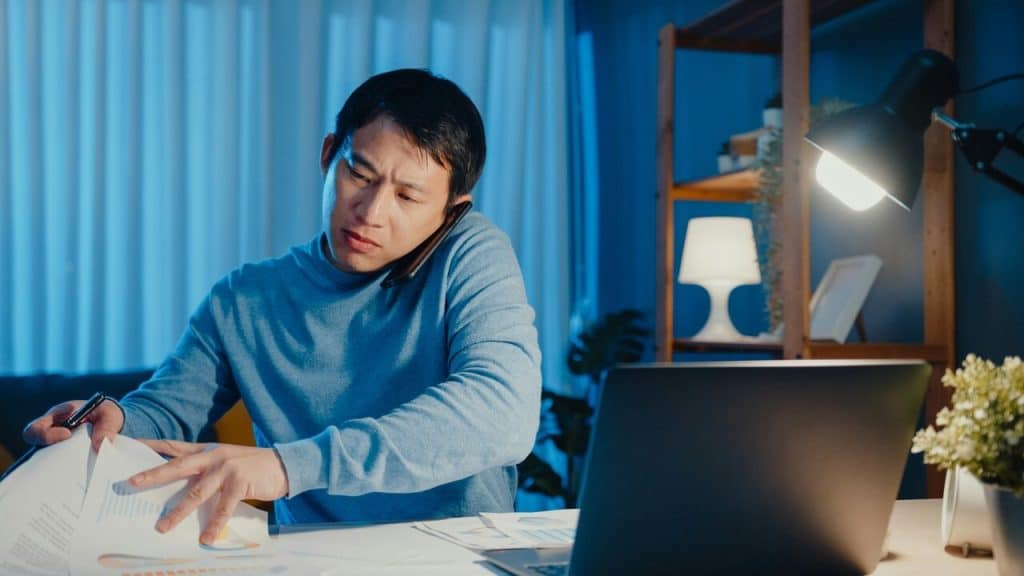
Your home should be your safe place–but for some, it becomes a source of stress. You take longer routes home. You run extra errands. You breathe easier when they’re not around. That’s not normal–and it’s not sustainable. When peace exists only in their absence, the relationship dynamic has already changed.
5. They Realize Their Core Values Don’t Match
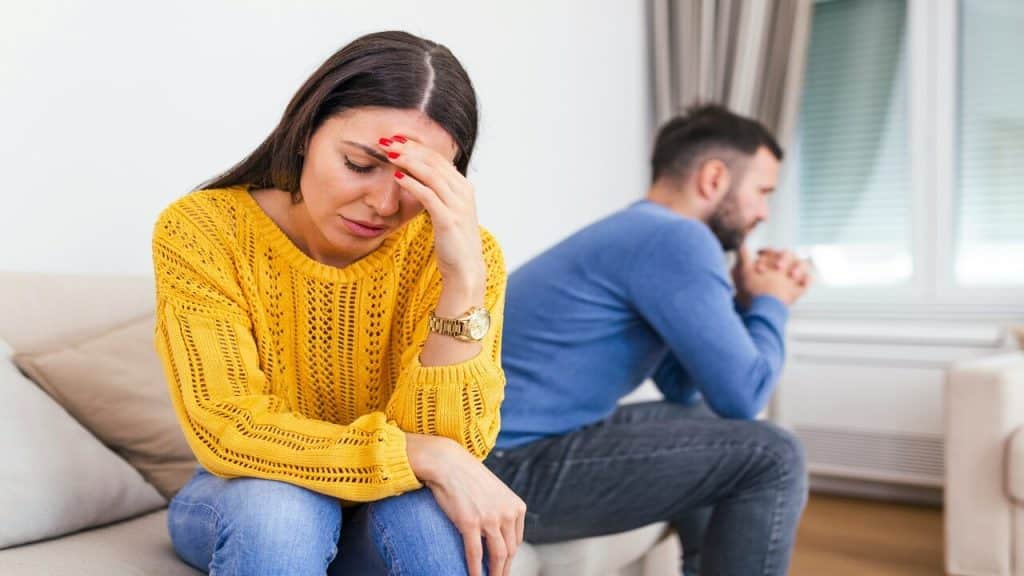
Love can be powerful–but values determine direction. Topics like finances, lifestyle, children, faith, career–all become high-stakes after marriage. If the visions don’t align, resentment grows. A strong marriage doesn’t require identical values–but it does require shared direction. Without it, one person will always feel like they’re compromising who they are.
6. They Feel Invisible or Unappreciated

You do your part. You support the family. You try. Yet it still feels unnoticed. Being taken for granted is one of the most painful emotional experiences–and it rarely improves without communication. People don’t always leave because they’re angry. Sometimes they leave because they’re tired of feeling unseen.
7. Intimacy Feels Forced–or Disappears Completely

Physical closeness is often a mirror of emotional closeness. When intimacy becomes rare, mechanical, or nonexistent, it signals a deeper issue. Lack of desire often points to lack of connection. And when physical touch feels like a chore rather than a bond, couples quietly start questioning the relationship in ways they never voice out loud.
8. They Can’t Picture a Future Together

You imagine trips, retirement, or future goals–and they’re not in the vision. It isn’t dramatic–it’s just the quiet truth. Some people realize they’ve built a life they no longer want to live in. When your goals require their absence, your heart has already started moving on–even if your body hasn’t yet.
9. They Feel More Lonely Inside the Marriage Than Being Single

Loneliness with someone beside you hits differently. You’re not just alone–you’re unheard. Emotional neglect feels heavier when it comes from the person who should understand you most. This is often when people start thinking, “I used to be happier by myself… and I might be again.”
10. They Start Envying Other Relationships
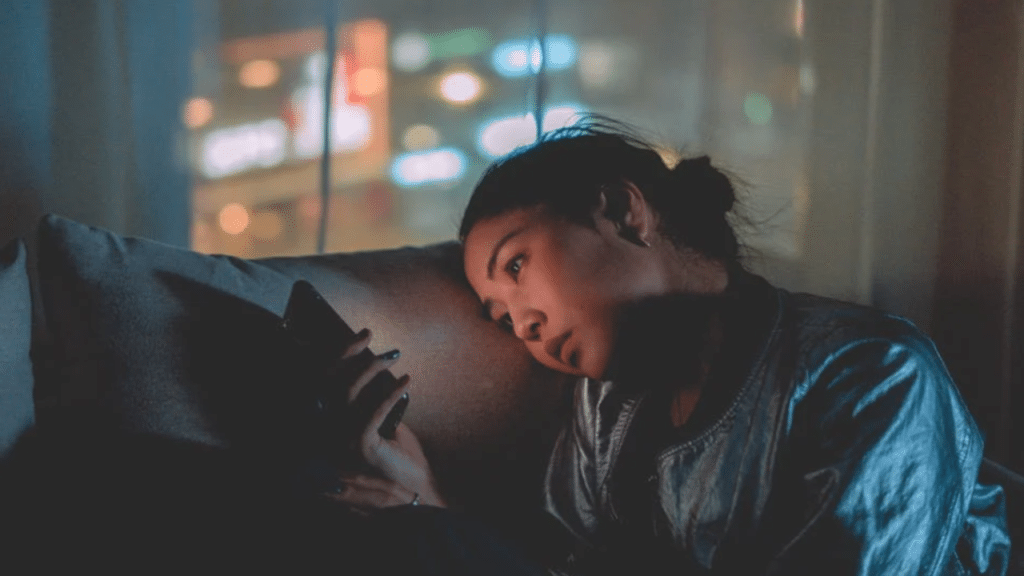
It starts subtly. You notice how other couples talk. How they laugh. How they protect each other’s peace. Instead of inspiration, it sparks jealousy. This isn’t about unrealistic expectations–it’s about realizing what’s missing. Healthy couples don’t make you jealous–they make you hopeful. When envy replaces hope, something deeper is wrong.
11. They Find Peace When Their Partner Isn’t Around

Silence becomes soothing. Their absence brings more calm than their presence. That shift is powerful–and often irreversible. The body recognizes emotional danger before the mind does. If you feel relief when they leave the room, your nervous system may already be telling you something your heart hasn’t admitted yet.
12. They Stop Trying to Fix Things

There’s a moment when someone stops fighting–not because things are better, but because they’ve accepted they won’t change. Silence replaces effort. Indifference replaces frustration. When someone stops trying, it isn’t always maturity–sometimes it’s surrender. And surrender in a relationship is often a sign they’ve already emotionally moved on.
13. They Start Imagining Life With Someone Else

Not necessarily cheating–but mentally exploring what kind of partner would actually make them feel loved, understood, and supported. That imagination reveals unmet needs. It highlights everything missing at home. Fantasizing about someone else doesn’t always mean infidelity–but it often means emotional misalignment.
14. Every Conversation Turns Defensive

A simple question receives a sharp response. Calm moments escalate quickly. You begin walking on eggshells–choosing words carefully to avoid conflict. Defensive communication is exhausting and often signals deeper unresolved issues. Marriage shouldn’t feel like a courtroom where everything is interpreted as an accusation.
15. They Grow–But Their Partner Doesn’t

Sometimes one person evolves–emotionally, mentally, spiritually–and the other stays in place. Growth can actually widen the distance between two people. A healthy partner celebrates your evolution. An unhealthy one resents it. When your growth threatens the relationship… the relationship may not be built on real partnership.
16. They Feel Like They’re Losing Themselves

They used to laugh more. Dream more. Be bolder. But over time, they’ve dimmed themselves to keep the peace. Losing your identity inside a relationship is a quiet form of heartbreak. Love shouldn’t require self-erasure. Marriage should be a space where both people become more of themselves–not less.
17. They Realize They’re More Afraid of Change Than Unhappy
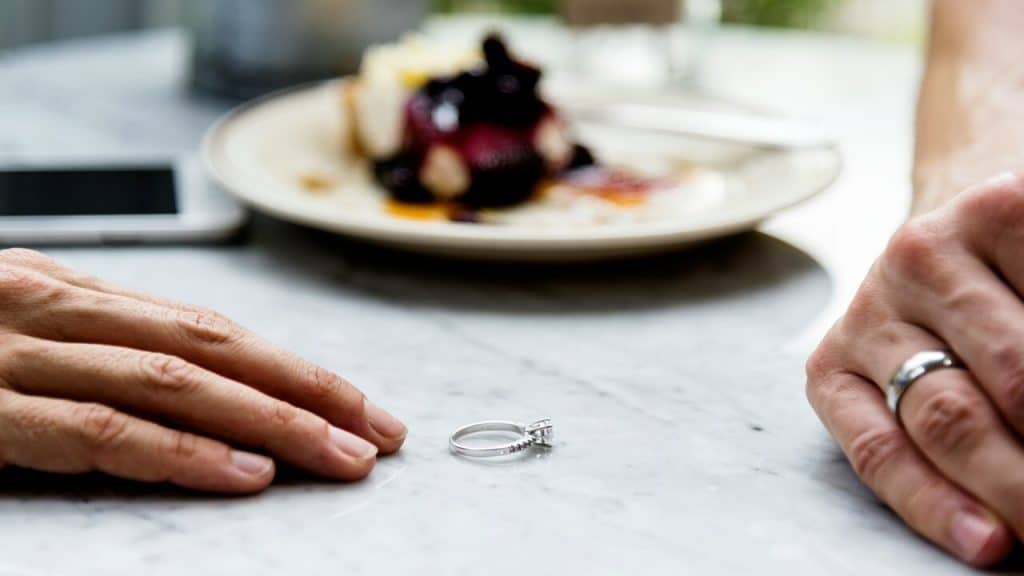
The final realization often doesn’t come from misery–it comes from fear. They stay because starting over seems overwhelming. Because loneliness is scary. Because comfort feels safer than growth. But deep down, they know the truth: staying unhappy isn’t strength. Sometimes, the bravest choice is choosing a different future.








Ask Me Anything