
Going through a divorce in the 50s is unique. Divorce is devastating, regardless of age you’ve experienced it, but in your 50s, you have the wisdom from having experienced life so that you can navigate this new chapter of your life with strength and clarity. However, a gray divorce is also filled with uncertainty. Is it too late to start over? The change can be challenging to accept, but remember that this is your opportunity to rediscover yourself.
Coping With Loneliness

Loneliness hit really hard. From togetherness, you are now alone. The sudden shift from shared routines to doing everything alone can feel heavier at this stage of life. Being alone can be good sometimes, but the reality is, the memories might haunt you, and you will miss the routines.
In this stage of your life, you need to learn how to be comfortable with this shift. It might be hard at first, but over time, you’ll accept that loneliness is a part of healing.
Explaining Divorce to Adult Children

You might think it’s easier to discuss divorce with adult children, but it can be a struggle, too. It might be harder for them to accept because they might take sides or question memories of your marriage.
Explaining divorce to your adult children requires patience and assurance. You should let them know that your divorce won’t change the love you have for them.
Rebuilding Trust in Relationships

Divorce can make trusting again hard for you. You might find yourself doubting people’s intentions. You might put your walls up to protect yourself from being hurt again. Divorce is devastating, so you don’t want to feel that pain again.
When trust is broken, it’s difficult to feel safe again in trusting other people. However, through consistent efforts and following through with actions, trust can be rebuilt.
Accepting a New Identity Post-Divorce

You are no longer part of a couple, so it might change how you see yourself. You might have been used to being in the role you once played, but now, you are on your own. However, to navigate this part of your life effectively, it’s important to see it from a different perspective. You’ve let go of your identity when you were a part of the couple, so you now have the space to rediscover who you are.
You might have muted some parts of yourself before for the relationship, but now, you have the freedom to pursue passions you weren’t able to do before. This way, you’ll slowly start growing to a fuller version of yourself.
Facing Retirement Alone

Most people picture retirement as a shared milestone. But now that you’re alone, it can bring a mix of anxiety and loneliness. You wonder what life would look like years from now. It brings you grief knowing that you don’t have someone to be with.
Yet this shift also pushes you to redefine what retirement means. Instead of something lost, you begin building a vision rooted in independence and personal fulfillment.
Navigating Property Division

It’s overwhelming to think of property division. It can be emotionally draining on deciding what to keep on what to sell, as every item holds a memory. Sometimes, those items are hard to let go of because you might think that it’s the only thing tying you to your ex-spouse. And as you go through these things, it’s painful to relive the memories associated with them.
To navigate this situation, see it as letting go of the things that no longer serve you to give space to better things ahead.
Rebuilding Financial Stability

Money takes on a different weight after 50. It might give you anxiety, knowing that you need to save because you are getting closer to retirement. You can’t afford to make financial decisions or lifestyle changes.
In this stage of your life, you will learn how to create a budget and stick to it. You will learn how to prioritize and be more disciplined in your finances.
Handling Blended Family Tensions

New relationships sometimes come with new family dynamics. Adult children, stepchildren, or extended relatives may resist changes, creating tension you didn’t expect. Even with good intentions, blending families at this stage can feel delicate.
With patience, you discover how important communication and boundaries are. While not every moment is smooth, you gain clarity about how to support harmony while protecting your peace.
Handling Legal Complexities

When you divorce later in life, it means you now have a lot of decisions you made together. Now that you’re filing for divorce, handling legal matters can be a lot complicated. You need to go through major investments and retirement accounts to settle on what’s fair for both of you while also protecting your future.
The paperwork might feel overwhelming, and it might feel endless, but remember that everything will be alright in the end.
Rebuilding Self-Confidence

Divorce in your 50s can shake your sense of worth. You might question if you are still worthy of love or if anyone can still see your worth. But as time passes, you’ll feel more confident about yourself. You’ll be able to get through this hard chapter of your life, and you’ll be reminded that there is strength within you. You are resilient and worthy of love.
But confidence grows again as you rediscover your strengths. Each new step, no matter how small, reminds you that you are capable, resilient, and worthy of love.
Dealing With Social Isolation

You are used to having company, but now isolation hits hard. Even if you are usually independent, being alone can make you feel lonely.
For now, be comfortable in having your own space. Take time to heal. When the right time comes, you’ll be ready to open up again and reconnect with old friends ot exploring new interests.
Coping With Reduced Income
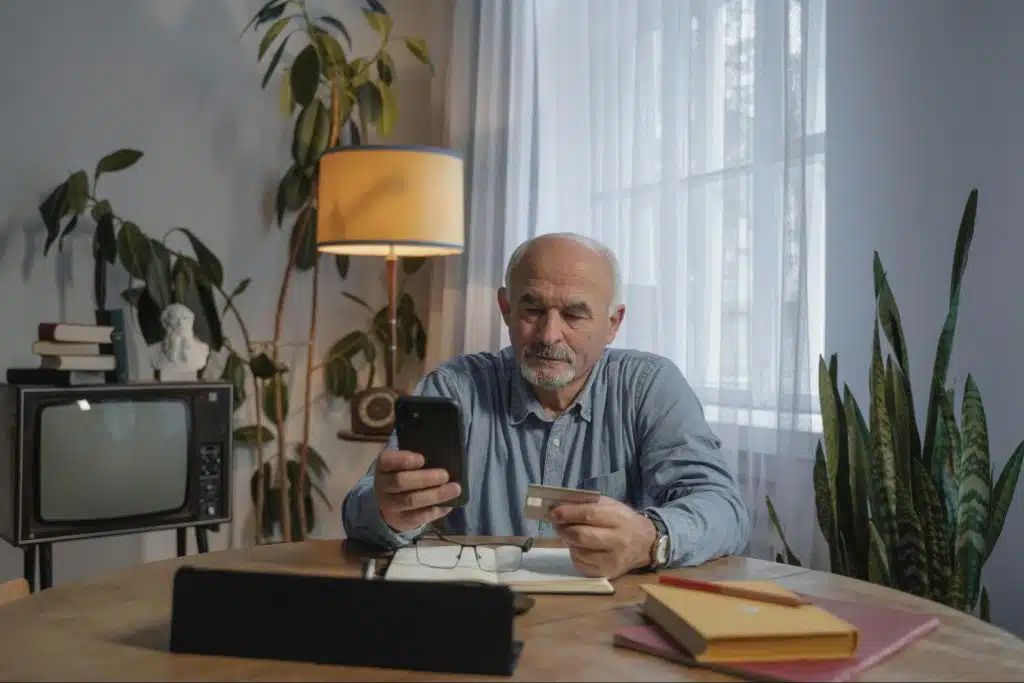
Going from a shared household to a single income brings lifestyle changes. You might need to adjust spending habits to make ends meet. You’ll also have to be smarter in your investments and other financial decisions. It’s an uncomfortable reality that no one wants to confront, yet it often comes with divorce at this age.
Adjusting to Previous Holiday Traditions

Holidays carry emotional weight after a divorce. Traditions that once brought joy may now feel bittersweet. You might struggle with reminders of the past or feel unsure how to create new celebrations.
Over time, you start shaping holidays in ways that reflect your life now. You introduce new traditions, invite new people in, and reclaim the season on your own terms.
Handling Emotional Baggage

Even if the divorce was necessary, the emotional residue lingers. Memories, regrets, and unresolved feelings can surface when you least expect them. You might feel frustrated that healing isn’t as quick as you hoped.
With time and self-compassion, the heaviness lightens. You learn to process what happened without carrying it everywhere you go, freeing space for new growth.
Managing Long-Term Plans

Your future plans need rewriting, and that can feel disorienting. Travel goals, living arrangements, or financial strategies may no longer fit your new reality. It takes courage to rethink your vision for the years ahead.
As you reshape your plans, you start aligning them with who you’ve become. The future may look different, but it can still be meaningful and full of possibilities.
Losing Mutual Friendships

One thing people don’t warn you about having a divorce is that friendships can shift, too. Some friends might distance themselves, while others might take sides. It’s a painful process, but it reveals the people who are true to you.
Don’t be afraid of letting go of people who are not true to you. Make room for new friendships that align with who you are today.
Re-Entering the Dating Scene

Dating in your 50s is an entirely new experience. The rules have changed, the platforms are different, and your needs are far more precise now. It’s both intimidating and surprisingly exciting once you get used to it.
As you open yourself to connection again, you learn to approach dating with honesty and intention. Each interaction teaches you more about who fits into your next chapter and who doesn’t.








Ask Me Anything