
Dating after a failed marriage hits different. You think you’re starting fresh, but a lot of the old patterns end up sneaking back in without you even noticing. It’s because your brain runs on habits, especially when it’s trying to protect you from getting hurt again.
Divorce triggers long-term emotional reflexes that show up in new relationships if you don’t consciously rewire them. And that’s exactly why your dates might feel “off,” even when you really like someone.
You Assume Conflict Means the Relationship is Ending

You lived through fights that turned into cold wars, so now even tiny disagreements feel like red flags. Your body goes into defensive mode fast because your nervous system remembers chaos, even if the person in front of you isn’t bringing any.
Couples who associate conflict with danger tend to shut down emotionally. You’ve done that for years, so it’s automatic now. On new dates, you might change the subject, withdraw, or gloss over your real feelings.
You Over-Explain Yourself

In your marriage, explaining yourself became routine, maybe because you were always “wrong,” or everything turned into an interrogation. Now you overshare or justify simple choices because you expect pushback. This comes off as insecurity, even when you’re just trying to be transparent.
Studies on post-divorce adjustment show men often carry communication anxieties into new relationships. You don’t realize you’re doing it, but you’re trying to prevent a fight that isn’t coming.
You Step Into “Fixer Mode”
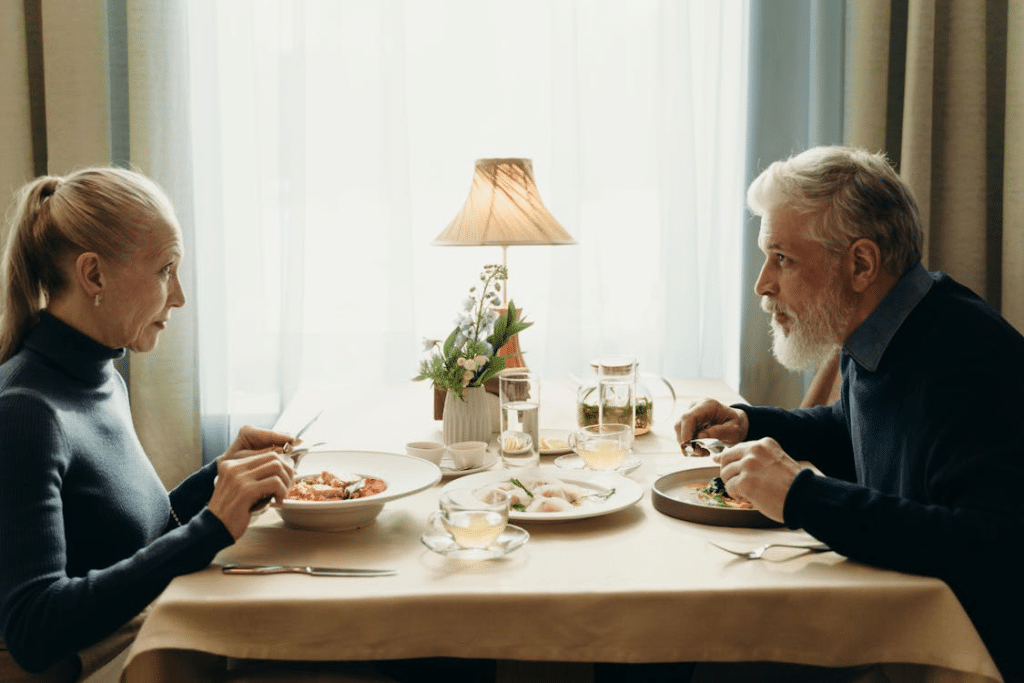
You spent years trying to solve emotional fires at home, so now you jump into rescue mode automatically. But new women want presence. Turning toward emotions builds intimacy more than advice ever does. When you skip straight to fixing, you accidentally shut down vulnerability. You think you’re helping, but you’re actually creating distance. Slow down and just listen.
You Expect Criticism

Your marriage may have conditioned you to brace for negative feedback, so now compliments feel suspicious and neutral comments feel loaded. Past criticism makes you interpret neutral cues as negative. On dates, this shows up when you overthink her tone, her mood, or a tiny change in her texting pattern. You’re being conditioned. But it can sabotage something good.
You Apologize Too Quickly

Years of keeping the peace turn you into a serial apologizer. It sounds polite, but it actually signals insecurity and past damage. You’re trying to avoid conflict before it even exists. The problem is women want confidence, not fear-based humility. You don’t owe an apology every time you express a boundary, disagree, or show a preference. That’s conditioning from a relationship where your needs didn’t matter.
You Shut Down When Someone Gets Too Close

After a marriage that wore you down, intimacy might feel risky. So you pull back the second a woman starts showing deeper interest. This is classic emotional withdrawal says men struggle with more than women. You don’t want to reject her. You just fear repeating the same pain. But shutting down looks like you’re not interested, even when you are.
You Treat Independence Like a Shield

You finally got your freedom back: your space, your time, your peace. So now you guard it like your life depends on it. You think letting someone in means giving all that up again. But that mindset makes you come off as unavailable. Healthy independence is attractive. Emotional isolation isn’t. If you want a meaningful connection, you can’t live in “lone wolf mode” forever.
You Compare New Women to Your Ex
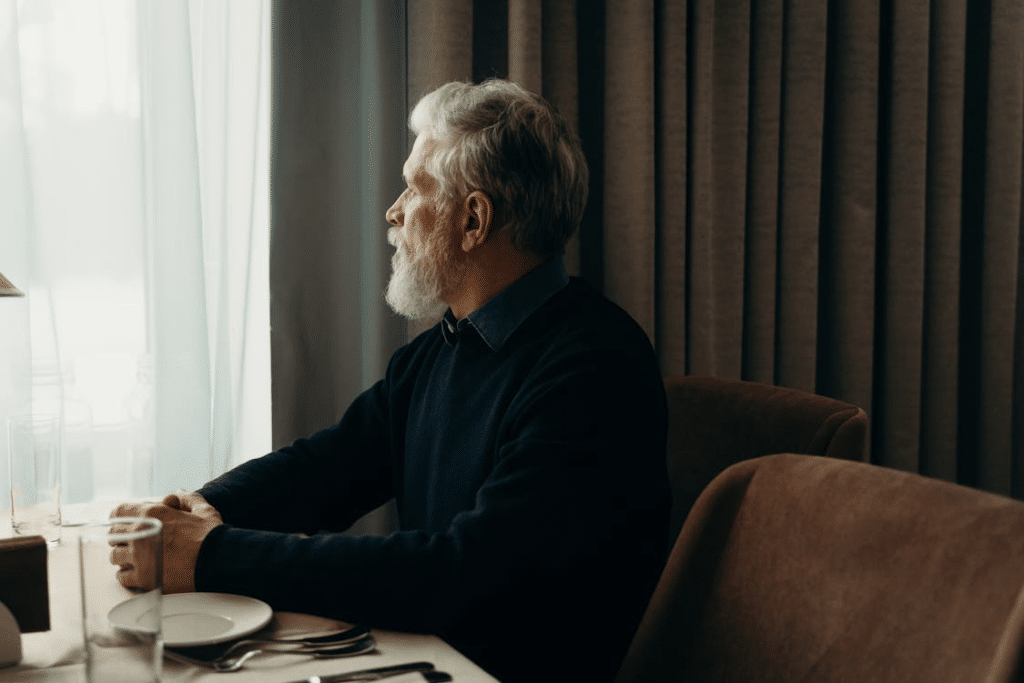
Even if you don’t talk about your ex, your brain is comparing patterns, tone, reactions, and behavior subconsciously. It’s survival. Divorced men often use their ex as a mental template for evaluating new partners. But comparison blocks chemistry because you’re not seeing the woman in front of you. You’re seeing the ghost of your marriage.
You Match Energy

Your marriage taught you to read the room and adapt to survive emotionally. Now, instead of showing interest clearly, you mirror her energy because you fear coming on too strong. That kills romance. Women want direction and clarity, not emotional copy-pasting. You can’t build a connection when you’re acting like a reflection instead of a man with intention.
You Expect Emotional “Tests”

When you’ve been tested in a marriage: ignored, guilt-tripped, and stonewalled, you assume every woman does it. So you read into everything: the delayed response, the subtle tone, the unplanned silence. Most of the time, she’s just living her life. Carrying that suspicion can turn a calm, healthy woman into a perceived threat. Let the past stay in the past.
You Don’t Talk About Your Needs

In your marriage, needs were weapons used against you, dismissed, or minimized. So now you stay silent, even when something bothers you. Men often hide emotional needs after divorce to avoid conflict. But healthy women want clarity, not guessing games. Speak up. It’s not dangerous anymore.
You Jump Into Serious Territory Too Fast
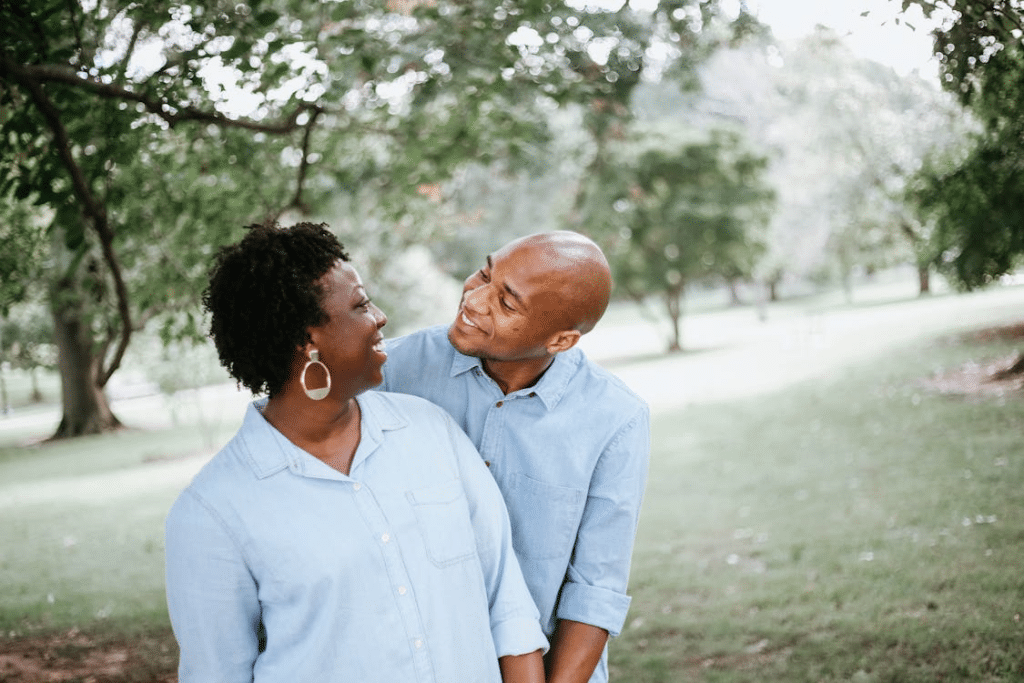
Marriage gave you a long-term mindset. So now early dating feels like you’re already planning the next chapter. You start imagining compatibility, long-term issues, future conflicts way too early. This pressure can suffocate a connection before it grows. Slow pacing is key. You don’t have to define everything on date three.
You Misread Independence as Rejection

When a woman is independent, your marriage-trained reflex might say: “She’s pulling away.” But she’s not your ex. She’s just living her life. Research on attachment (Bartholomew & Horowitz model) shows that avoidant patterns can develop after turbulent marriages. You’re reacting to old wounds, not current reality. Let her breathe. It doesn’t mean she’s losing interest.
You Overthink Small Red Flags

You ignored early warning signs once, so now your brain goes full detective mode over little things. You don’t want to repeat the same mistake, but hyper-vigilance kills fun and connection. You’re scanning for danger when you should just be present. Not every quirk is a dealbreaker. Some things just are what they are.
You Rush to Prove Yourself

After years of feeling unappreciated, you might try too hard: flexing accomplishments, achievements, or stability. It comes from a good place, but it reads like insecurity. You don’t need to audition for anyone. Being authentic beats being impressive every time. Let her discover you naturally.
You Expect Relationships to Feel Heavy

Your marriage probably felt stressful toward the end. So now, when things feel calm and easy, you get suspicious. But healthy relationships aren’t supposed to feel like emotional weightlifting. Stable couples have a 5:1 ratio of positive to negative interactions. Peace isn’t a trap. It’s the baseline you should’ve had all along.
You Don’t Let Yourself Enjoy the Moment

You spent years anticipating the next problem, so joy feels foreign. You keep waiting for something to go wrong. That mentality keeps you from showing up fully, flirting freely, and actually enjoying the date. A good woman can feel that guardedness instantly. You deserve to experience happiness without scanning the room for danger.








Ask Me Anything