
Marriage isn’t supposed to feel heavy–yet thousands of couples quietly reach a point where love starts to feel like labor. It doesn’t always happen with loud fights or dramatic exits. Sometimes it begins with silence, tired eyes, and a feeling you can’t quite name.
What used to be exciting now feels routine. What used to be “we” becomes “you” and “me.” The signs rarely show up all at once, but they do show up–and when they do, it’s a wake-up call. If any of these feel familiar, it doesn’t mean it’s over–but it may mean something needs to change. These are the subtle (and not-so-subtle) shifts people often notice when marriage begins to feel like a burden.
1. You Start Keeping Score Instead of Solving Problems

In healthy marriages, problems are tackled together. But when resentment builds, every argument starts to feel like a scoreboard. You remember every favor you did–and every mistake they made. This turns small issues into personal battles instead of finding solutions. Keeping score drains intimacy and replaces generosity with obligation. If you catch yourself thinking “I always do more,” it’s time to talk openly about balance before bitterness becomes the marriage’s new foundation.
2. Conversations Turn Into Daily Reports, Not Real Connection

You still talk–but it’s mostly logistics. Bills, schedules, errands, the kids. What’s missing? Curiosity. Excitement. The “How are you really?” kind of conversations. When emotional connection fades, the marriage feels like a business partnership rather than a loving bond. Couples who keep the spark alive don’t just talk daily–they talk deeply. Try asking questions you haven’t asked in years. You may find your spouse is carrying things you know nothing about.
3. You Feel More Alone With Them Than When You’re Actually Alone

Loneliness in marriage is a quiet crisis. You might share a roof, a bed, and years of memories–but emotionally, you’re miles apart. The hardest part? You stop expecting closeness. You accept the disconnect. But isolation in marriage is a sign that something has gone unspoken for far too long. Reconnection doesn’t start with grand gestures–it starts with honesty. Naming your loneliness is often the first step to healing it.
4. Little Habits Suddenly Become Big Annoyances

The things that once felt cute–or simply tolerable–now seem unbearable. The way they chew. The clothes left on the floor. The TV volume. Annoyances multiply when emotional distance grows. What you’re reacting to isn’t the habit–it’s the tension. Couples who manage this well don’t suppress frustration; they stay curious about the emotion underneath it. Ask: “Why is this bothering me now when it didn’t before?” Sometimes the answer leads to the real issue.
5. You Feel Like You’re Walking on Eggshells

When communication becomes unpredictable, everything feels risky–words, questions, timing. You rehearse what you want to say before you say it. That’s a sign the relationship has lost emotional safety. Healthy marriages allow room for mistakes and messy feelings. If your emotions start to feel censored, it’s time to rebuild trust through honest, calm conversations–not accusations. Safety in marriage isn’t about avoiding conflict–it’s about knowing love won’t disappear because of one.
6. Affection Becomes a Chore Instead of a Choice

Touch becomes rare. Kisses become quick. Intimacy becomes “let’s just get it over with.” When physical closeness loses its warmth, people start to feel unwanted–even if no one says it aloud. The solution isn’t just “have more intimacy”–it’s understanding why it faded. Stress, resentment, shame, insecurities, or exhaustion often sit quietly between two people. Physical distance is usually the symptom–emotional distance is often the cause.
7. You Both Start Living Separate Lives Under the Same Roof

Two people can slowly become roommates without realizing it. Separate schedules. Separate interests. Separate screens. You share space–but not experiences. When marriage becomes parallel instead of intertwined, emotional gravity weakens. You don’t have to share every hobby, but you do need shared moments. Try a joint project, a weekly ritual, or rediscover something you once loved together. What you nurture will grow. What you neglect will drift.
8. Your Future Plans No Longer Automatically Include Them

When marriage becomes heavy, the future stops feeling shared. You start imagining trips, goals, or life changes–and they’re not always in the picture. This doesn’t mean you’re done–but it may mean you don’t feel supported or seen. Long-term couples who thrive often revisit their dreams together. They evolve as a team, not just as individuals. If your spouse doesn’t know your desires for the future anymore–that’s where to start.
9. Date Nights Disappear–and You Don’t Even Miss Them

Date nights aren’t just romantic–they’re preventive care. When they stop happening, it’s easy to say, “We’re just busy.” But when you stop wanting them, the marriage is drifting. The trick isn’t to force a fancy dinner–it’s to reintroduce playfulness and novelty. Even a coffee at a different café or a walk without phones can feel refreshing. Rekindling connection doesn’t require big money–it requires big intention.
10. You Start Comparing Them to Other Couples–or Other Options

Comparison creeps in when gratitude moves out. You might see other couples and think, “Why can’t we be like that?” Or worse–“Maybe I’d be happier with someone else.” Comparison steals contentment and replaces appreciation with longing. Instead of measuring your marriage against others, focus on strengthening what can be improved between you two. Every relationship has unseen struggles. The strongest ones choose to grow instead of compare.
11. Every Decision Feels Like a Negotiation

Where to go. What to buy. How to spend weekends. Minor decisions begin to feel like battles of power and preference. When compromise begins to feel like defeat, resentment starts to take root. Healthy couples compromise freely because they trust they’ll be heard next time. If every discussion feels like a debate, the issue isn’t compatibility–it’s cooperation. You don’t have to agree on everything, but you do need to agree on how you’ll disagree.
12. You Feel Drained Instead of Energized Around Them

Some people recharge with their spouse. Others feel emotionally exhausted. If being around your partner feels more tiring than refreshing, it might mean your emotional connection is strained. Instead of blaming each other, explore what’s wearing you down. Is it stress? Unspoken conflict? Overcommitment? The goal is not to “fix” your spouse–but to identify together what’s draining the joy out of the relationship.
13. You Stop Sharing the Best Parts of Your Day

When your spouse is no longer the first person you want to call with good news, that’s a quiet sign of distance. Joy is a powerful connector–but only if it’s shared. Couples often forget that celebration is just as important as conflict resolution. Rebuild the habit of sharing wins, jokes, small highlights. Positivity strengthens trust and creates momentum. Don’t just process problems together–celebrate life together.
14. You Feel Unappreciated No Matter How Much You Do
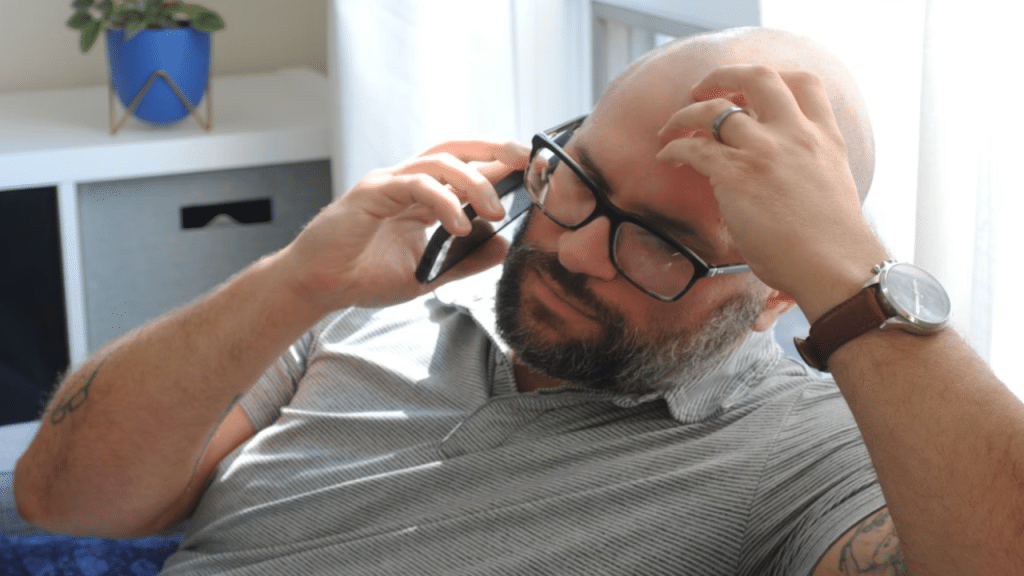
Feeling invisible is one of the fastest ways to make marriage feel like a burden. You put in effort–but it goes unnoticed. The key is to communicate, not accumulate resentment. Try using specific examples when you feel undervalued. And when they do something right? Acknowledge it. Appreciation is contagious–once it returns, so does warmth. A marriage with gratitude becomes lighter again.
15. Arguments Never Really End–They Just Pause

Some couples don’t resolve fights–they simply shelve them until the next blow-up. This creates a cycle of recycled arguments that never truly die. When issues don’t get resolved, trust erodes. The solution isn’t more arguments–it’s better ones. Set rules: no shouting, no interrupting, no character attacks. Add follow-up discussions to actually close an issue. You don’t need fewer fights–you need cleaner ones.
16. You Start Wondering Who You’d Be Without Them

This thought alone doesn’t always mean the marriage is over–but it does mean identity may be shifting. Maybe you’ve outgrown old roles. Maybe you want independence you never had. Instead of suppressing this, explore it. A strong marriage has room for personal growth, not just shared routines. You don’t have to lose yourself to keep the relationship–but you do have to communicate what you want to reclaim.
17. You’re Not Sure Where the Love Went–Only That It’s Harder to Find

Perhaps the most painful change is when love still exists–but feels out of reach. You care. You remember the good times. But everything feels heavier now. That’s when many people quietly think, “Is this it?” This moment is critical. It can be a breaking point–or a turning point. Many couples have rebuilt even after years of distance–but only when they admitted something was wrong and decided to work together. Love doesn’t always disappear–it sometimes just needs to be recalibrated.








Ask Me Anything