
The pressure men feel today isn’t always loud or obvious–it’s often silent, unspoken, and piled on over time. Most men won’t complain about it openly, not because they don’t feel it, but because they were raised to carry things quietly. From being the “rock” in every situation to pretending they always have a plan, there’s a hidden emotional toll that builds under the surface.
And it’s not about blaming women or society–it’s about understanding what most men are silently dealing with and why many feel drained, misunderstood, or stuck in permanent “survival mode.” When expectations are never discussed, they become assumptions. And assumptions are heavy.
Here are the 18 expectations that quietly exhaust men–and what men wish they could say about them.
They Always Have to Be the Emotional Rock

Men are expected to stay calm, composed, and unshaken–even when they’re struggling internally. Most feel they don’t get to fall apart because someone always needs them to be strong. But strength doesn’t mean emotionless. Many men secretly wish they could say, “I’m not okay right now,” without fear of disappointing people. Emotional resilience should include vulnerability–not just silent endurance. Allowing men a safe place to emotionally relax can be life-changing.
They’re Expected to Have a Plan for Everything

There’s pressure to always “know what to do”–whether it’s finances, emergencies, or life direction. But real life isn’t always clear, and many men quietly panic when they don’t know the next step. They’re not afraid of responsibility, but they wish people understood that leadership doesn’t mean certainty all the time. Sometimes, all they need is for someone to say, “It’s okay not to have it figured out yet–let’s work through it together.”
They’re Supposed to Earn More Than Everyone Around Them

Modern men feel a constant pressure to out-earn their partner, peers, or even their previous selves. If they’re not financially “successful,” they often feel like they’re failing as a person–not just in their career. The fear of being seen as inadequate weighs heavily on them. Many men don’t necessarily want to be rich–they just want to feel respected, valued, and appreciated for the effort they give, not just the money they make.
They’re Expected to Stay Mentally Strong Without Cracks

Even when mental health conversations are improving, many men still feel like they can’t admit when they’re mentally struggling. Anxiety, burnout, loneliness–these are often masked with work, hobbies, or silence. Men don’t need motivational quotes; they need genuine understanding and safe environments. When society praises “unbreakable men,” it unintentionally teaches them that showing pain means weakness–and that pressure is exhausting.
They Must Handle Criticism Without Emotion

Men are often told to “take it like a man,” even when criticism hits deeply. They’re expected to accept judgment, endure blame, and recover instantly without reacting. But emotional suppression comes with a cost–resentment, low self-worth, and exhaustion. What many men wish people knew is that acknowledgment heals quicker than toughness. Respectful criticism helps growth; harsh judgment builds walls.
They’re Expected to Fix Every Problem (Even Outside Their Control)

A flat tire? Call him. Financial trouble? Ask him. Emotional stress? Lean on him. Men often feel responsible for solving things–even when they didn’t cause them. But carrying the role of “permanent problem-solver” can lead to deep fatigue. Not every man wants to fix everything–they just want space to say, “I need help too.” Being dependable shouldn’t mean being endlessly available.
They’re Expected to Be Fearless

Men often feel they can’t admit fear–whether it’s fear of failure, rejection, or the future. They’re supposed to “push through” everything without showing hesitation. But brave doesn’t mean fearless–it means moving forward despite fear. Society often forgets that courage and vulnerability are linked. Men don’t need people to cheer for their strength; sometimes they need permission to feel unsure.
They Must Always Be Confident Around Others

Even when they’re uncomfortable, men feel pressure to appear confident–especially in social situations or group environments. Admitting insecurity can feel like breaking a rule no one wrote but everyone follows. Yet many confident-looking men secretly battle self-doubt. Instead of expecting men to “man up,” we should normalize saying, “I don’t feel confident right now,” without it damaging their image.
They’re Expected to Control Their Anger Perfectly

Men are constantly told not to show anger–but many were never taught how to process it. Bottled-up frustration eventually leaks through sarcasm, silence, or emotional distance. Instead of saying “calm down,” it’s far more effective to ask, “What’s behind that feeling?” Most men aren’t angry–they’re exhausted, overwhelmed, or unheard. They don’t need suppression; they need healthy outlets and better emotional tools.
They Must Never Show Jealousy or Insecurity

If a man admits feeling insecure, it’s often labeled as controlling or immature. But jealousy, when processed openly, can actually lead to better communication and stronger relationships. Most men don’t want control–they want reassurance. The expectation to act unaffected at all times can make them emotionally distant. They don’t need perfection–they need safe honesty without punishment.
They’re Expected to Understand Women Perfectly

Men are often told they should “just get it” when it comes to women’s emotions or needs. But empathy is learned, not magically ingrained. Many men genuinely want to understand their partners better–they just need conversations, guidance, and patience. When women say, “You should know,” it often shuts down the very growth they’re hoping for. Understanding grows through openness–not silent expectations.
They Always Have to Be the Initiator

Whether it’s dating, intimacy, or deep conversations, men are usually expected to make the first move. But initiating constantly can feel like emotional labor too. Sometimes men want to feel chosen, wanted, and pursued. A simple “I was thinking about you” text or starting a meaningful conversation first can make a bigger impact than most people realize. Being the initiator shouldn’t be a one-sided job.
They’re Expected to Be Great Communicators Without Ever Being Taught How

Society says, “Men don’t communicate”–but rarely asks, who taught them how? Many men grew up hearing “don’t talk about feelings,” then later get criticized for not expressing them well. Communication isn’t gendered–it’s learned. What exhausts men isn’t conversation; it’s being blamed for struggling without being given tools to improve. When communication becomes teamwork–not accusation–men open up more naturally.
They Must Never Look Like They’re Struggling Financially

Even if a man is working hard, he may still feel like a failure if he can’t afford certain things. Financial pressure is one of the strongest sources of male stress, especially when tied to identity and worth. Many men carry financial anxiety in silence–not because they’re irresponsible, but because they fear judgment. Encouraging open financial conversations can help men feel seen, not silently evaluated.
They’re Expected to Be Handy, Skilled, and Capable at Everything
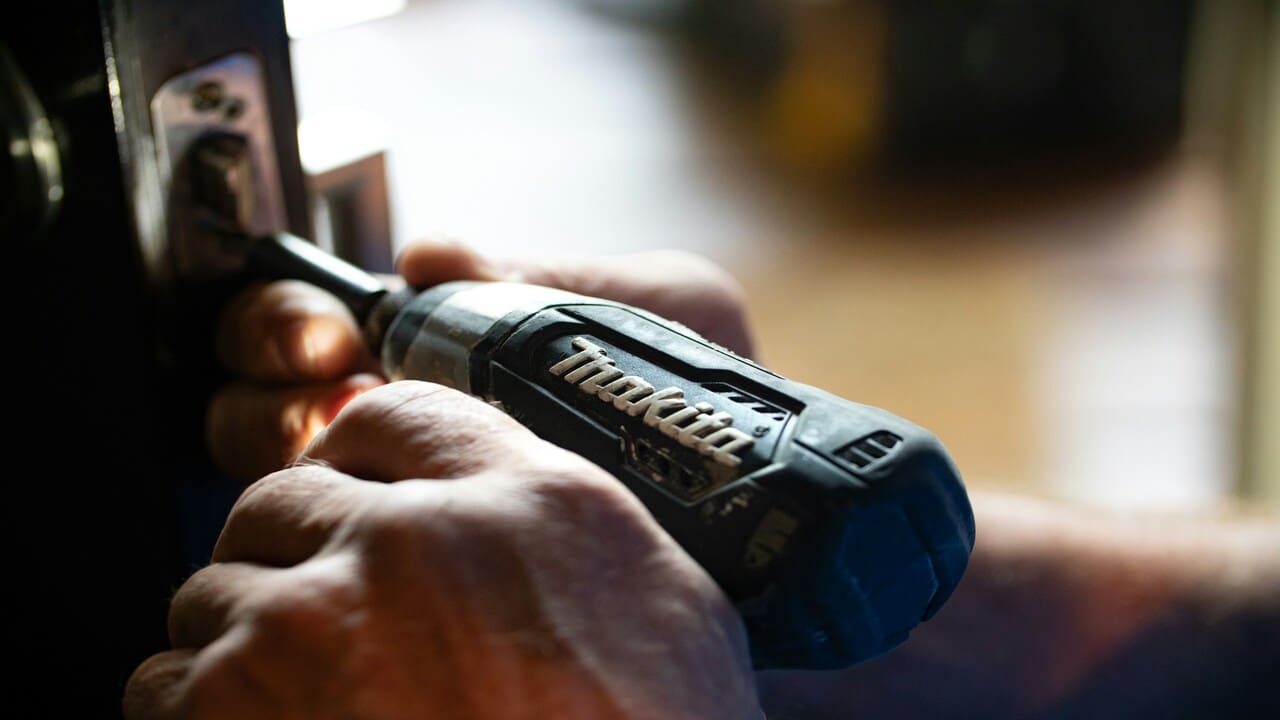
Need furniture built? A car fixed? A leaking pipe repaired? It often lands on the man–whether or not he knows how. But not every man grew up with tools or guidance. The pressure to “just know” can make men feel embarrassed or judged when asking for help. Supporting men while they learn–not mocking them for not knowing–builds confidence rather than shame.
They’re Expected to Age Without Insecurities

Women openly discuss aging, while men are often expected to treat it like it doesn’t bother them. But graying hair, a softer body, or slowing energy levels can quietly hit men’s confidence too. They just don’t have the same spaces to talk about it. Men need room to care about their appearance and health without being called vain or weak. Aging is human–not a failure.
They’re Supposed to Be Romantic Without Needing Romance Themselves

Men are expected to give romance but rarely receive it. They’re praised for grand gestures–but often starve for small ones. A random compliment, a surprise moment of appreciation, or simply being looked at with admiration can fuel a man more than most people realize. Romance shouldn’t be performance-based–it should be mutual. Men don’t just want to be providers–they want to be cherished, too.
They’re Expected to Be Strong… But Not Too Strong

Men are told to be powerful and capable–but judged if that strength makes others uncomfortable. They walk a tightrope between confidence and humility, drive and modesty, leadership and softness. That balance can feel exhausting. What men truly want is space to be whole–not filtered. Strength shouldn’t need permission; it should be paired with kindness, purpose, and heart.








Ask Me Anything