
Long-term love doesn’t look anything like the early years, and at 50, this becomes unmistakably clear. What once felt driven by excitement now feels defined by depth, understanding, and emotional steadiness. The relationship shifts from intensity to intention, revealing layers of connection that take decades to build. You begin to see love not as something that simply happens, but something shaped through presence, choices, and patience. The woman beside you becomes familiar in ways that bring comfort, yet still complex enough to challenge you. At this stage of life, the truths of lasting love finally rise to the surface. These realizations come not from theories, but from living side by side through seasons, struggles, and shared history.
Stability Matters More Than Intensity

The fire of early passion never disappears, but it settles into something steadier and more meaningful. You realize stability creates the environment where real intimacy can grow. Predictability becomes a source of peace, not boredom. Emotional reliability replaces emotional highs. What once felt “routine” becomes the foundation that keeps the relationship strong.
Arguments Don’t Threaten Love, Disconnection Does

Years of experience show that disagreements are not the enemy. Silence, emotional withdrawal, and avoidance cause far more damage. Conflict becomes something to work through, not something to fear. You learn to prioritize understanding over defending your point. Staying connected matters more than being right.
Small Daily Behaviors Shape the Relationship the Most

Long-term love isn’t built through dramatic gestures; it’s built in the minor decisions made every day. Tone, patience, attention, and follow-through become the quiet architects of the bond. The emotional atmosphere forms around these small habits. You see clearly that consistency carries more weight than intensity. Stability becomes a daily act, not a milestone.
She Changes, and You Must Grow With Her

The woman you married decades ago isn’t the exact same person today. You change too, and long-term love requires adapting to each new version of each other. Expecting her to stay the same creates tension; embracing her growth deepens connection. You learn to listen differently, understand differently, and support differently. Growth becomes a shared evolution, not a disruption.
Emotional Support Becomes the Heart of the Relationship

What once felt optional becomes essential. Emotional presence holds more value than material contribution or physical effort. She remembers the security of your steadiness more than anything you provided. Supporting her inner experience keeps the relationship grounded. Age teaches you that emotional reliability is the real measure of love.
Love Becomes a Choice You Make Again and Again

Feelings fluctuate, routines shift, and life pressures evolve, but choosing each other is what keeps the bond alive. The decision to give effort, care, patience, and understanding becomes a daily commitment. You stop expecting love to maintain itself. With age, you accept that long-term love is built through deliberate choices, not passive hope. Choosing each other becomes the quiet strength of the relationship.
Respect Is What Truly Holds the Bond Together

Romantic love has ups and downs, but respect must remain constant. How you speak, listen, and respond determines emotional safety. Disrespect erodes trust faster than conflict ever could. Being considerate becomes a discipline, not a mood. Respect becomes the invisible structure that keeps everything intact.
Consistency Creates Emotional Safety

She learns you through your patterns, not your promises. Predictable behavior brings comfort and trust that deepen with the years. Consistency makes disagreements less frightening and stressful moments less destabilizing. You realize your presence becomes a stabilizing force in her emotional world. Reliability becomes a language of love.
Listening Is More Valuable Than Offering Solutions

Younger men jump to fixing, assuming that solving the problem equals caring. With age, you discover listening is often what actually strengthens connection. She wants understanding, not management. Being emotionally available matters more than being technically correct. Listening becomes one of the deepest forms of intimacy.
Shared Responsibilities Keep Resentment Away

The emotional weight of life grows heavier over time, and carrying it alone creates frustration. Sharing responsibilities becomes less about convenience and more about partnership. When the load feels balanced, connection feels safer and more comfortable. Cooperation becomes a form of love expressed through action. Long-term peace grows from mutual effort.
Attraction Evolves Into Something Deeper
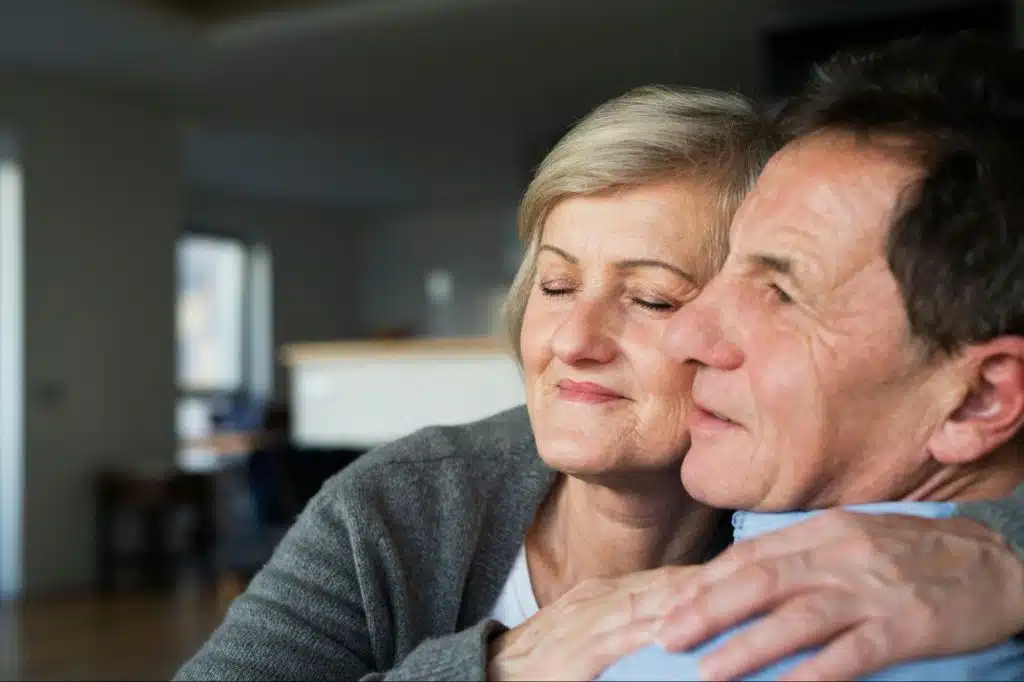
Physical passion remains, but it becomes only one layer of attraction. Emotional connection, shared history, and mutual respect form the new foundation of desire. Familiarity brings its own kind of intimacy. The connection becomes richer, less superficial, and more rooted. Attraction becomes a reflection of the life built together.
Forgiveness Becomes Necessary Maintenance
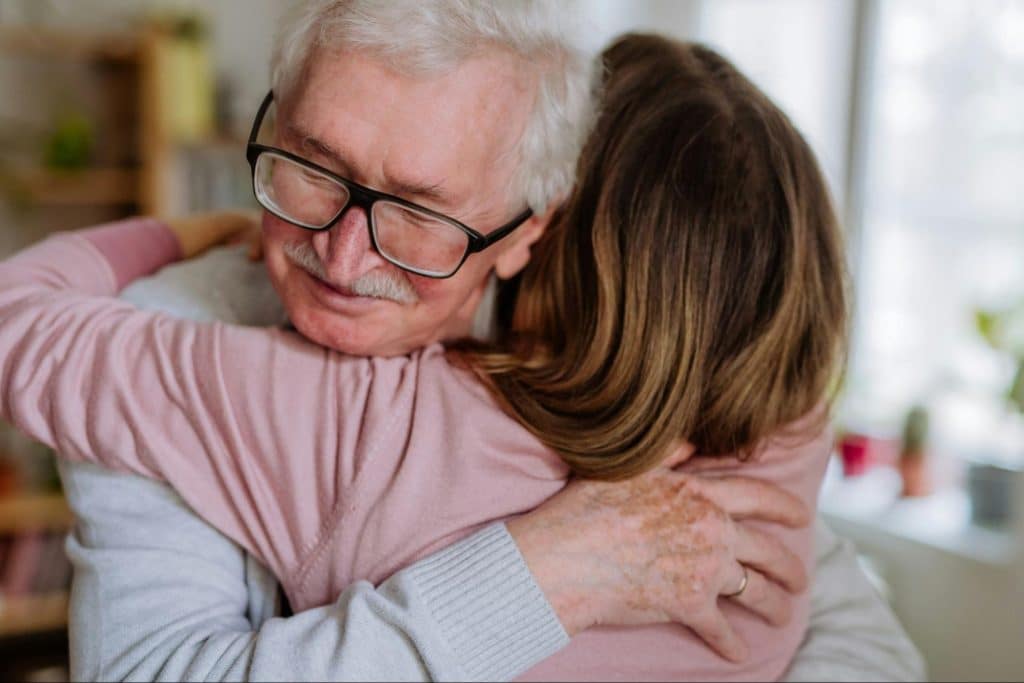
Over years, both people make mistakes that, if held onto, would destroy the relationship. With time, you learn that forgiveness is not an emotional impulse but a practiced skill. Letting go becomes essential to preserving closeness. You weigh the cost of resentment against the benefit of peace. Forgiveness becomes a commitment to the relationship’s future, not its past.
Quality Time Means More Than Quantity
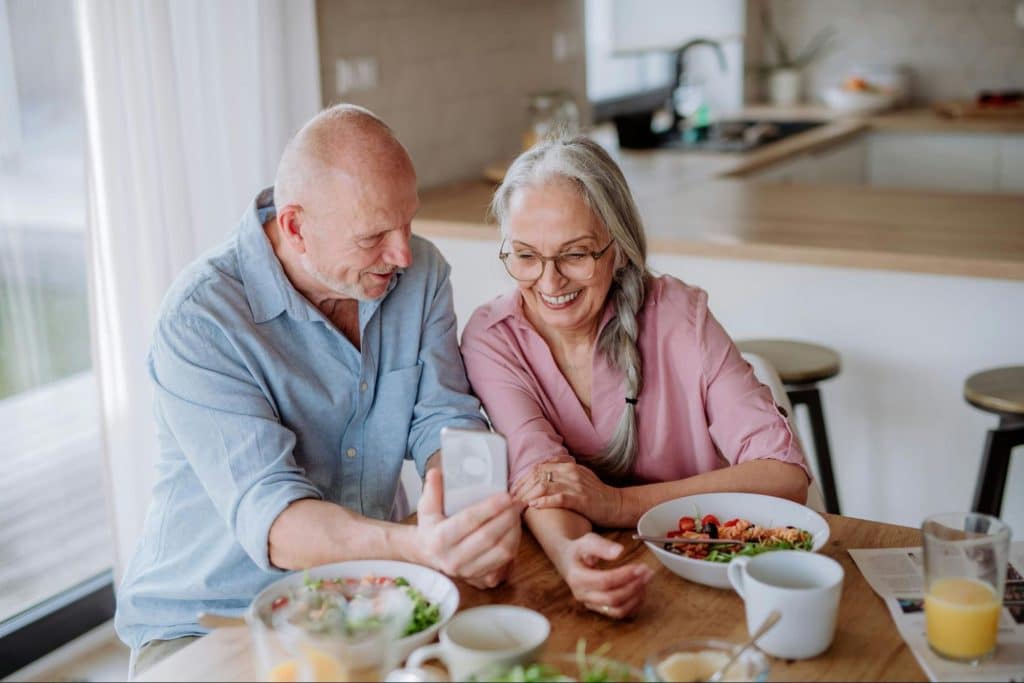
Being in the same room doesn’t guarantee connection. Active presence, without distractions, irritation, or divided focus, becomes the real source of intimacy. A few intentional minutes can strengthen the bond more than hours spent passively near each other. Time becomes more precious with age. Connection requires attention, not just proximity.
Emotional Withdrawal Hurts More Than Anger

Anger still communicates feelings, but emotional silence signals disconnection. When either partner shuts down, the relationship enters dangerous territory. You learn to reopen communication even when it’s uncomfortable. Emotional engagement becomes a commitment, not a convenience. Staying present matters more than avoiding conflict.
Love Feels Different but More Real With Age

It becomes steadier, quieter, and more rooted in mutual understanding. You stop expecting constant excitement and start appreciating emotional depth. The love that remains feels earned rather than accidental. It becomes less about intensity and more about loyalty. With experience, you see that the most meaningful love is the one that stays.
Long-Term Love Is Built, Not Found
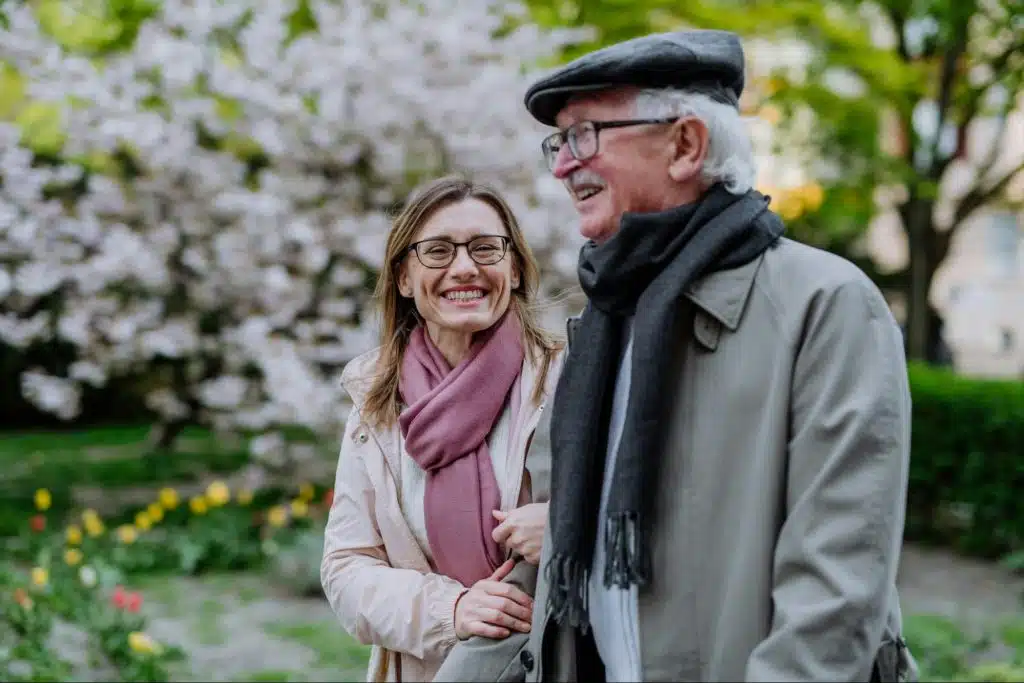
The idea of perfect compatibility fades. What remains is the truth that closeness is formed through years of shared effort, not luck. You understand the relationship you have is a reflection of the choices you’ve made consistently. Love becomes something crafted through patience, awareness, and commitment. At this stage, you see clearly that durable love is a creation, not a discovery.
Conclusion – Love Gains Depth Only Time Can Teach
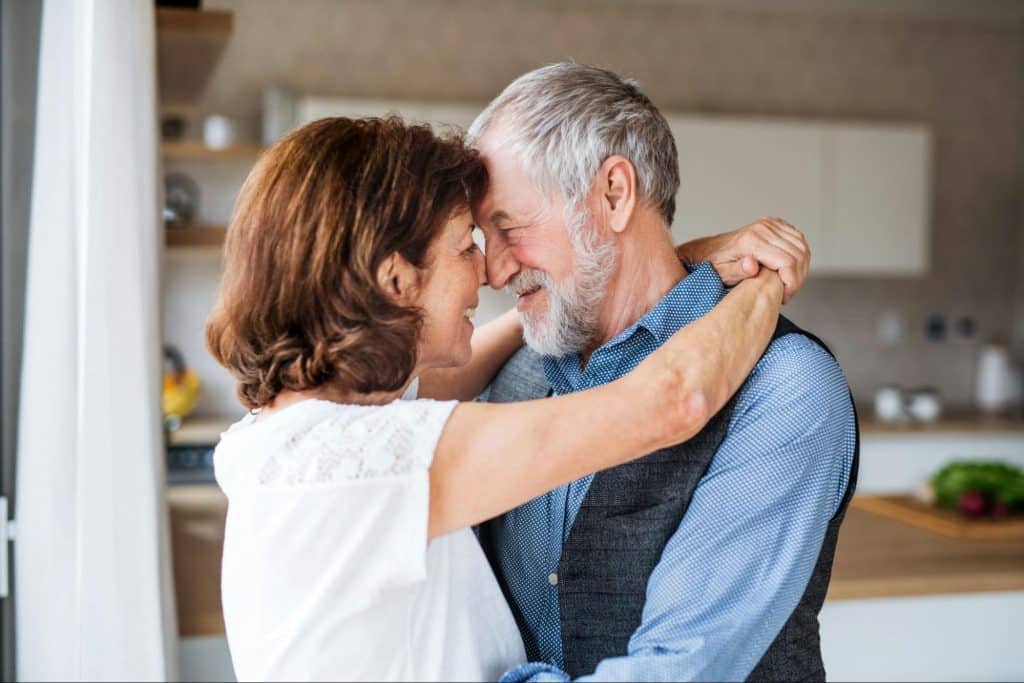
Decades of loving the same woman reveal emotional truths that younger men cannot yet understand. What keeps the bond alive isn’t intensity but effort, respect, and emotional steadiness. These lessons accumulate quietly through daily life, shared challenges, and countless small moments. Long-term love becomes less about grand expressions and more about dependable presence. At 50, the meaning of commitment finally becomes clear: love endures because both people keep choosing to make it so.








Ask Me Anything