
Some men act like they have it all together, but inside, they are dragging old anger, fear, and frustration into every conversation and decision. Those hidden wounds don’t stay hidden—they show up as distance, tension, or silent resentment in a relationship. This is not about shaming you; it is about pointing out the patterns most men never notice until it is too late. If even a few of these hit home, that is exactly where you start making real change.
Unhealthy Coping Habits

Everyone reaches for something to take the edge off, but when the habit replaces honest reflection, it becomes a wall between you and your partner. Whether it is alcohol, overworking, overeating, or disappearing into gaming, each one numbs instead of fixes. Your partner sees the pattern before you do. When you face stress directly instead of escaping from it, the entire home feels calmer. You also stop letting your coping method dictate the mood of the house.
Carrying a Constant Need to Be Right

Some men treat disagreements like competitions and forget that the relationship is supposed to be a team. If you push to win every point, you lose the moment your partner stops feeling safe being honest with you. A relationship thrives on cooperation, not combat. When you drop the urge to defend every position, you gain space for real connection. You also learn that being wrong sometimes will not kill you.
Fear of Being Seen as Not Enough

Underneath the bravest exterior lies insecurity that rarely gets acknowledged. This fear shows up through jealousy, control, or withdrawal when things feel difficult. You may think you are protecting yourself, but your partner reads it as mistrust or disinterest. Confidence grows when you face these fears instead of hiding behind them. The more honest you become, the less power the insecurity holds.
Old Childhood Patterns They Pretend Don’t Matter

A lot of men tell themselves their childhood was “fine” and push old memories into the background, yet those early coping habits often run the show as adults. Maybe you learned to stay quiet to avoid conflict or got used to shutting down when tension rose. Those reflexes feel automatic, but your partner feels them as distance or rejection. When you slow down and look at where these patterns started, you gain the power to choose a different response. That choice alone can change the entire tone of your relationship.
Never Learning How to Communicate Under Stress

Stress exposes whatever communication skills you do or do not have. Many men fall back into silence, sarcasm, or frustration because they never learned how to talk through pressure without losing control. Your partner ends up walking on eggshells, unsure when the next shutdown will happen. If you can breathe, slow your pace, and speak with clarity during hard moments, everything shifts. Conversations become productive instead of chaotic.
Unresolved Anger That Leaks Out in Small Ways

Anger rarely explodes out of nowhere. It builds quietly through years of unspoken frustration and pushes through in short remarks, tense reactions, or impatience that feels unfair to everyone around you. You might think you are fine, but your partner reads every subtle shift in your tone. Anger that stays buried still has a life of its own. When you actually address it, you stop punishing the people who had nothing to do with its origin.
A Low EQ They’ve Never Tried to Develop

Emotional awareness does not magically appear with age. Men often know how to explain a problem at work, but freeze the moment someone asks how they feel. Your partner ends up carrying the entire emotional load, which creates a lopsided dynamic. Naming your emotions brings clarity and helps you respond instead of react. Building emotional maturity is a skill, like anything else, and it pays off daily.
Avoidance of Vulnerability Because It Feels Weak

Many men grew up believing vulnerability is a threat. So they hide fear, stress, or disappointment and hope their partner will somehow “just know” what is going on. That silence turns into a distance that hurts both sides. Vulnerability is not dramatic oversharing. It is simply telling the truth about what is happening inside you, so your partner does not have to guess.
Old Resentment: They Never Talk About

Resentment forms when you let small frustrations pile up without dealing with them. Over time, that creates passive aggression, sarcasm, or emotional withdrawal. Your partner feels something is off while you keep pretending everything is normal. The longer it sits, the heavier it becomes. Clearing it requires honest conversations and a willingness to say something before it grows out of control.
A Lack of Accountability for Their Mistakes

A lot of men struggle to say one simple thing: “That was my fault.” Instead, they go straight into excuses, explanations, or anything that keeps them from admitting they dropped the ball. This pattern exhausts a partner because responsibility gets pushed onto them. Accountability makes you reliable, not weak. It also builds trust faster than any apology you deliver too late.
Poor Conflict Recovery Skills

Conflict is not the issue. Recovery is. Many men believe the matter is finished once the argument stops, even though their partner still feels bruised by what happened. Moving on too quickly creates a cycle where the same wound keeps reopening. The real skill is checking in afterward, acknowledging the hurt, and closing the loop together.
Internal Pressure to Provide at the Cost of Connection

Many men try so hard to be providers that they forget to show up emotionally. The pressure to perform becomes a full-time identity, and the connection slowly fades. Your partner wants stability, yes, but they also want presence. If you only give them the responsible version of yourself, you miss out on the warmth and partnership you actually want. Balance gives you both room to breathe.
Poor Relationship Modeling Growing Up
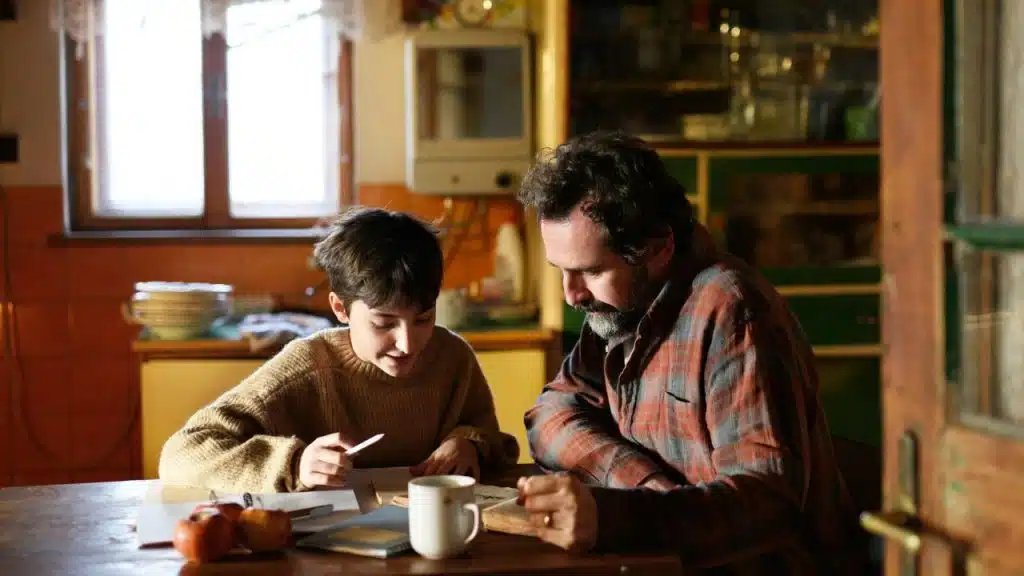
Men often repeat what they saw at home without realizing it. If your childhood examples handled conflict poorly or avoided emotional expression, those habits follow you into adulthood. They become your default until you choose something different. Learning new relationship skills is not about blaming your past but understanding why your reactions feel automatic. Awareness gives you room to create a healthier pattern.
Believing That Love Should “Just Work”

Many men enter relationships believing love will naturally fall into place without maintenance. This belief creates frustration when the normal work of connection shows up. Relationships need steady attention, honest conversations, and a willingness to grow. When you stop expecting love to run on autopilot, you finally give it what it needs. Commitment becomes an active choice, not a passive hope.
Ignoring Their Mental Health

Untreated stress, anxiety, or burnout never stays contained. It shows up in your tone, your patience, your energy, and the way you respond to conflict. Men often push through until something breaks. Your partner feels the strain long before you do. Tending to your mental health helps you show up as someone steady and grounded, not someone running on fumes.








Ask Me Anything