
Love inside a long-term relationship often becomes defined not by grand gestures, but by everyday behavior. Many husbands believe they’re showing their devotion through action, consistency, and responsibility, assuming these efforts speak for themselves. Yet many wives experience these same behaviors very differently, interpreting them as distance, routine, or emotional absence. The disconnect doesn’t come from a lack of care, it comes from the way men and women are conditioned to express affection differently. Over time, small misunderstandings turn into emotional gaps that neither partner intended. This introduction explores how even genuine acts of love can be misread when communication and emotional clarity slowly fade.
Taking Over Household Tasks Instead of Asking What She Actually Needs

A husband may believe that stepping in, doing chores, and keeping the house in order is a direct expression of love. From his perspective, action equals care, and effort should be obvious. But wives often interpret task-taking as guessing instead of communicating, especially when the help doesn’t match what they actually need. It can feel like he’s managing responsibilities instead of connecting with her about them. Even well-intentioned actions feel flat when they happen without alignment. Support works best when it’s collaborative, not assumed.
Offering Solutions When She Wants Understanding
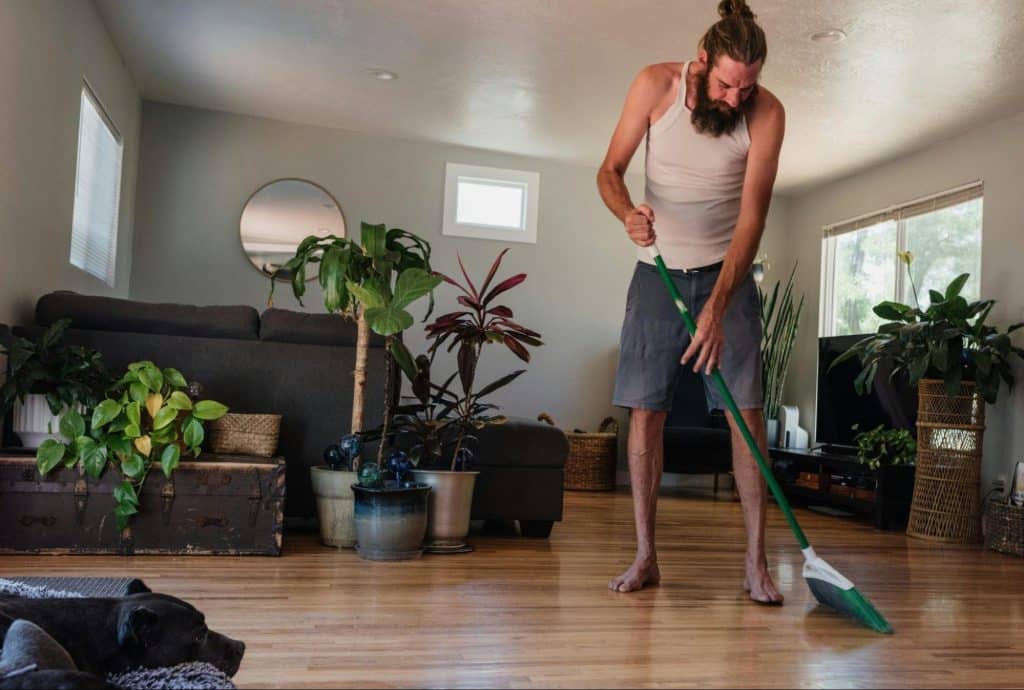
Many men show love by solving problems, it feels like protection, support, and devotion. When a wife expresses worry or sadness, he may immediately try to fix the situation, believing he’s helping. But wives often interpret this as emotional dismissal, because solutions happen in place of empathy. She may feel unheard even when he believes he’s showing care. The mismatch lies in emotional priorities rather than effort. Love feels more like connection than correction
Working Longer Hours to Provide More Stability

To many husbands, providing financially is one of the strongest signs of love. Longer hours, extra work, or added responsibility feel like sacrifices made for the good of the family. Yet wives may experience that same commitment as emotional distance, because presence feels more valuable than provision. The more he works, the more she feels like the relationship is slipping into autopilot. Without communication, what he sees as protection can feel like withdrawal to her. Effort must be visible emotionally, not just economically
Giving Her Space When She Actually Wants Reassurance

Stepping back during tension often feels like the respectful, patient choice to a husband. He assumes that giving her room helps her process emotions safely. But wives frequently interpret distance as emotional abandonment, especially during conflict or stress. What feels like calmness to him feels like indifference to her. Reassurance matters more than space when vulnerability is present. Distance is helpful only when paired with emotional connection.
Doing “Big” Acts of Love but Neglecting Small Daily Connection

Some husbands focus on grand gestures, gifts, surprises, or special events, believing these define romantic love. While meaningful, these infrequent moments cannot replace daily emotional presence. Wives often value consistent, small acts of intimacy more deeply than occasional big ones. The imbalance makes connection feel sporadic instead of secure. What he sees as memorable, she experiences as inconsistent. Love is strengthened by rhythm, not spectacle.
Assuming Loyalty Speaks for Itself Without Expressing Emotion

To many men, staying faithful, committed, and reliable is the ultimate form of love. Their presence, consistency, and responsibility feel like enough to communicate devotion. But wives usually crave emotional clarity, words, affection, check-ins, and reassurance. Silence can feel ambiguous even when intentions are strong. Loyalty is essential, but it isn’t the same as emotional intimacy. Love needs to be felt, not just demonstrated through commitment alone.
Fixing Household Problems Instead of Addressing Relationship Tension
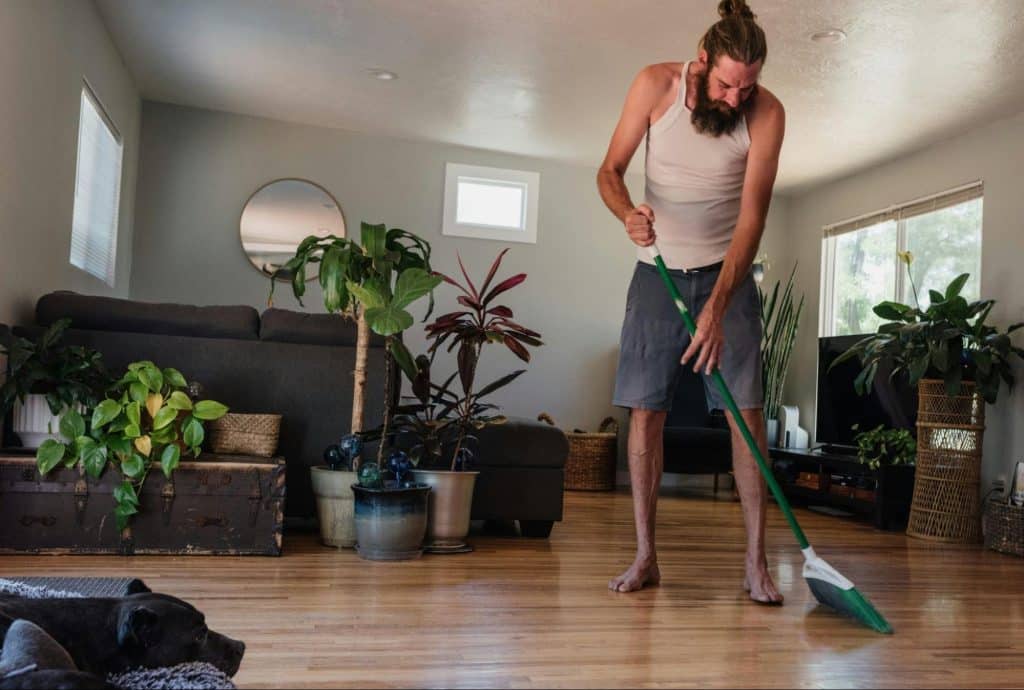
A husband may rush to handle practical issues around the house, believing this keeps the relationship stable and functional. Repairs and tasks feel like investments in their shared life. But wives often see this as avoidance when emotional concerns remain unaddressed. Solving practical problems cannot substitute for solving relational ones. What he interprets as responsibility, she sees as distance. Emotional repair matters just as much as physical upkeep.
Choosing Calmness Over Engagement During Conflict

Remaining calm and reserved during arguments may feel like the mature, steady approach to a husband. He believes avoiding escalation keeps the relationship safe. But wives often read that same calm as emotional detachment or lack of investment. Silence in conflict can feel louder than shouting. Engagement matters more than composure when emotions are vulnerable. Connection requires presence, not just control.
Handling Personal Stress Alone to Avoid “Burdening” Her

A husband may hide his stress out of love, believing he’s protecting her from worry. He keeps things to himself to maintain stability. But wives often interpret that silence as emotional distance or lack of trust. Sharing creates closeness; secrecy creates separation. Vulnerability is more intimate than silence, even when silence is meant to protect. Emotional partnership requires openness on both sides.
Focusing on Providing Instead of Participating

Some husbands believe their primary duty is financial support, viewing provision as commitment. They assume participation is secondary to responsibility. But wives usually value emotional involvement over economic contribution. Being present matters more than being productive. When providing replaces participating, the relationship becomes one-sided. Love thrives through involvement, not just duty.
Keeping Opinions to Himself to “Avoid Conflict”

Silence can feel like respect, especially when a husband wants to keep the peace. He avoids expressing opinions to prevent arguments. But wives may interpret this as emotional withholding or disinterest. Without honesty, connection grows thin. Peace without authenticity becomes pressure rather than harmony. Real intimacy requires expression, not suppression.
Showing Love Through Routine Instead of Intention
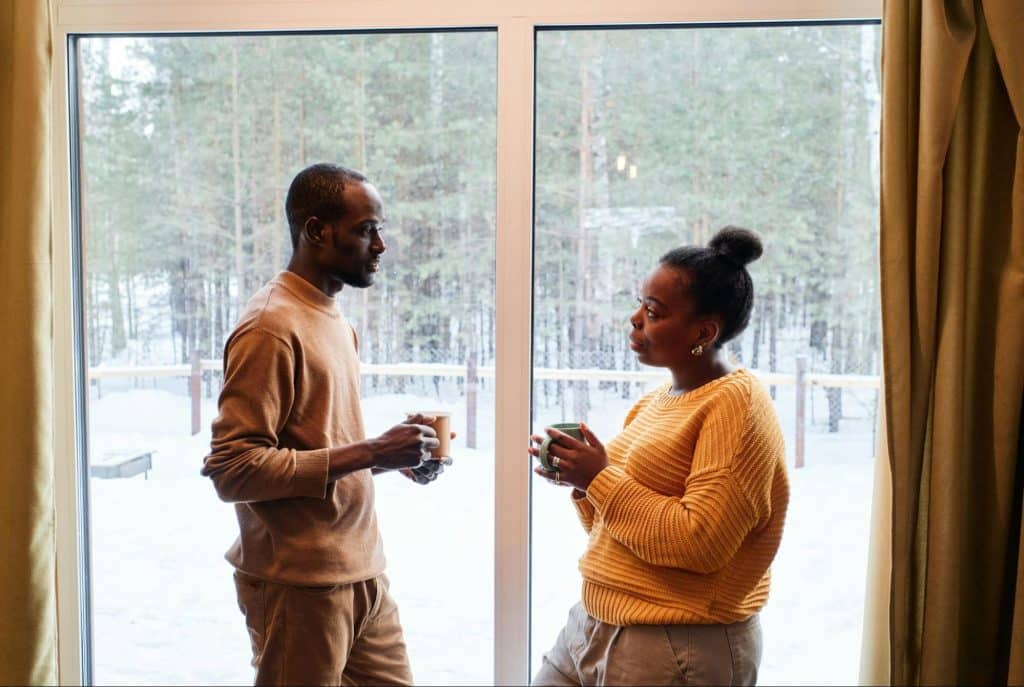
Familiar routines help many husbands feel secure, same habits, same rhythm, same approach every day. But wives often interpret routine without emotional energy as complacency. Predictability becomes mistaken for disconnection. What he sees as stability feels like stagnation to her. Love needs intentional renewal, not just repeated motions.
Taking Care of Responsibilities Instead of Taking Care of the Relationship

Husbands often believe that fulfilling duties, bills, repairs, errands, proves commitment. They assume doing what’s needed is enough to sustain closeness. But wives want emotional attention, not just functional effort. Responsibility cannot replace intimacy. When tasks replace tenderness, emotional distance grows quietly over time. Care for the relationship must be as deliberate as care for the household.
Avoiding Emotional Conversations Because They Feel “Unproductive”

Many husbands see emotional discussions as unclear, overwhelming, or unsolvable. They withdraw to avoid misunderstanding or conflict. But wives interpret this withdrawal as indifference or lack of care. Emotional conversations are not about efficiency, they’re about connection. When he disengages, she feels pushed away. Distance communicates far more loudly than words.
How to Make Love Feel Like Love to Both Sides

Small shifts in communication often create the biggest changes in long-term relationships. Instead of assuming love is understood, expressing intention builds clarity and trust. Emotional presence matters more than perfect behavior or flawless communication. Listening with curiosity instead of defense transforms how gestures are received. When partners understand each other’s emotional languages, connection becomes easier and more natural.
How to Bridge the Emotional Interpretation Gap

Love becomes more meaningful when both partners understand how the other perceives affection. Asking what gestures resonate can eliminate years of emotional misunderstanding. Intentions become clearer when spoken rather than assumed. Connection deepens when both sides feel seen in the ways they give and receive love. Alignment grows when communication replaces guesswork.
How Husbands Can Show Love in Ways Wives Actually Feel

Balancing action with emotional expression strengthens the relationship’s foundation. Combining practical support with warmth, reassurance, and verbal affirmation builds closeness. Sharing internal experiences fosters trust more than silent endurance. Small, daily check-ins help maintain emotional connection. When presence and expression work together, love becomes unmistakable.
Conclusion – When Love Means One Thing to Him and Another to Her

Misunderstandings in long-term relationships rarely come from lack of care, they come from speaking different emotional languages. Husbands often show love through stability, action, and responsibility, while wives interpret love through emotional availability and connection. When these languages don’t align, gestures lose meaning, and both sides feel unseen despite good intentions. Awareness allows love to stop getting lost in translation. With clearer communication, intention becomes impact, and both partners can finally feel the love that has been there all along.








Ask Me Anything