
Emotional exhaustion doesn’t always look dramatic, especially for men over 40 who were raised to handle stress quietly. The weight builds slowly, through responsibilities, expectations, and unspoken pressures, until it becomes part of daily life. Many men don’t label it as exhaustion; they see it as “being tired,” “carrying the load,” or “just how life is.” Yet the fatigue works its way into energy, patience, confidence, and relationships. This introduction sets the tone for the subtle emotional strain men feel long before they acknowledge it.
He Stops Feeling Rested, Even After Sleeping Well
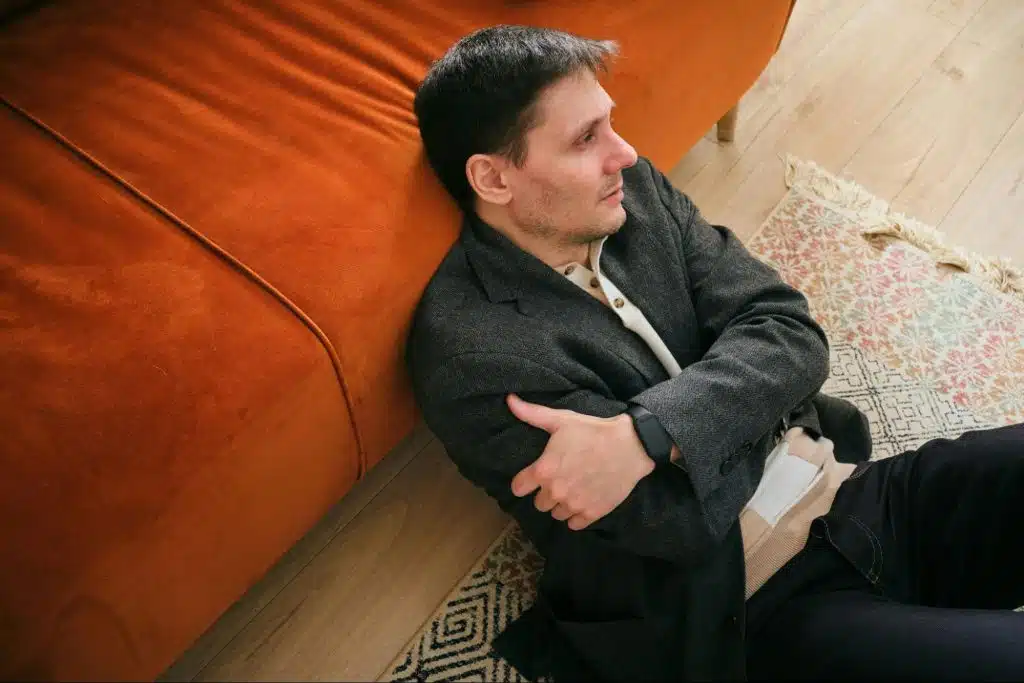
A full night of sleep no longer brings the clarity or energy it used to. The body rests, but the mind continues cycling through responsibilities, past mistakes, and unresolved worries. Fatigue becomes a normal part of mornings. He chalks it up to age, not realizing it’s emotional overload. This constant tiredness is one of the earliest signs of exhaustion.
He Feels Irritated by Things That Never Used to Bother Him

Small inconveniences take up more emotional space than they once did. Traffic, noise, interruptions, or repeated questions suddenly feel overwhelming. He doesn’t recognize the frustration as exhaustion, he simply feels “on edge.” Irritability becomes a default mood rather than a passing reaction. This shift often signals emotional reserves running low.
He Withdraws Without Meaning To

Conversations become shorter, interactions feel draining, and solitude feels easier than engagement. He steps back not because he doesn’t care but because he feels depleted. Emotional withdrawal becomes a silent attempt to preserve energy. He might not even notice how much he’s pulling away. The people around him, however, feel the distance clearly.
He Stops Sharing His Thoughts Because It Feels Like Work

Expression takes effort he no longer has. Explaining feelings, frustrations, or fears feels exhausting rather than relieving. So he chooses silence, even when connection might help. Withholding becomes easier than communicating. This internal quietness is one of the clearest forms of emotional exhaustion.
He Gets Lost in Thought More Often Than Usual

His mind drifts into long pauses, thinking about bills, aging parents, responsibilities, or unresolved tensions. These moments aren’t calm reflection; they’re mental fatigue. He zones out without meaning to, trying to process more than he can handle. The stillness is actually overload. This mental drifting shows how overwhelmed he truly feels.
He Feels Responsible for Everyone, Even When He Isn’t

Men over 40 often carry unspoken pressure to hold everything together, financially, emotionally, and practically. When anything goes wrong, he feels it’s somehow his fault or his job to fix it. The weight becomes relentless. Emotional exhaustion grows when responsibility outweighs capacity. It becomes a burden he rarely admits out loud.
He No Longer Looks Forward to the Things He Used to Enjoy

Hobbies feel less exciting, social plans feel tiring, and motivation dips quietly. What once brought joy now feels like another task requiring energy he doesn’t have. He assumes he’s “just busy,” not recognizing emotional depletion. Loss of enthusiasm is a sign his internal battery is running low. It often goes unnoticed for years.
He Feels Alone, Even When Surrounded by People

Loneliness shifts from being alone to feeling unseen. He participates in conversations but doesn’t feel connected. He smiles, nods, and contributes, yet internally feels isolated. Emotional exhaustion makes it harder to engage meaningfully. This quiet loneliness becomes a constant companion.
He Avoids Conflict Because He Doesn’t Have the Energy to Address It

Arguments feel draining rather than productive. Instead of speaking up, he lets things slide to conserve energy. Avoidance replaces resolution. It’s not apathy, its depletion. This pattern often creates bigger issues down the road.
He Goes Into “Problem-Solving Mode” Automatically

Instead of expressing feelings, he tries to fix everything because problem-solving feels safer than vulnerability. But constant fixing becomes exhausting. He carries solutions even when no one asks for them. This compulsion stems from emotional fatigue disguised as responsibility. It’s a cycle that leaves him drained.
He Feels Overwhelmed by Small Tasks

Simple chores, making calls, organizing, responding to messages, suddenly feel like heavy responsibilities. These tasks pile up mentally even when they take only minutes. The overwhelm doesn’t come from the tasks themselves, it comes from emotional depletion. When everything feels “too much,” deeper exhaustion is at play.
He Struggles to Be Present in Conversations

His mind drifts during discussions, not out of disrespect but because he has little emotional bandwidth left. Listening requires energy he doesn’t have. This leads to misunderstandings or appearing disengaged. In reality, he’s simply overwhelmed. Presence becomes harder to maintain even with people he loves.
He Stops Prioritizing Himself Entirely

His needs fall to the bottom of the list, rest, hobbies, health, boundaries. He tries to keep everyone else functioning, leaving no space for himself. This self-neglect isn’t intentional; it’s conditioned. Emotional exhaustion builds when self-care disappears completely. It becomes impossible to refill from an empty well.
He Feels Guilty for Wanting Peace and Quiet

Silence becomes the only thing that feels soothing, yet he feels bad for needing it. He worries it makes him look distant, bored, or detached. But peace is the one space where his mind isn’t overloaded. The guilt prevents him from getting the rest he desperately needs. This conflict deepens emotional strain.
He Overthinks His Role in Every Situation

He second-guesses his decisions, reactions, and worth. He worries about disappointing others or missing expectations. This constant self-monitoring drains emotional energy. Overthinking becomes more exhausting than any external pressure. It’s a mental loop fueled by quiet fatigue.
He Struggles to Bounce Back From Stress

What once rolled off his shoulders now lingers longer. Recovery takes more time, more effort, and more emotional patience than before. His resilience hasn’t vanished, his emotional reserves have. This slower recovery is a natural response to prolonged overload. It’s a sign he’s been carrying too much for too long.
He Moves Into Survival Mode Without Realizing It

He functions, provides, and completes tasks, but nothing feels purposeful anymore. His days become routines rather than experiences. He operates on autopilot, conserving energy to simply get through. Survival replaces living. This shift is one of the most overlooked signs of emotional exhaustion.
He Feels Like He’s Failing, Even When He Isn’t

Emotional fatigue distorts perception. Success feels muted, progress feels insignificant, and mistakes feel larger than they are. He carries a quiet sense of inadequacy regardless of reality. This imbalance reveals how worn down he truly is. Emotional exhaustion often sounds like self-criticism.
He Holds Everything In So He Doesn’t Burden Anyone

Instead of sharing the weight, he internalizes it. He hides stress, fears, and sadness behind calmness. He believes he’s protecting others, not realizing he’s slowly drowning alone. This emotional isolation deepens exhaustion. Keeping everything inside becomes its own heavy burden.
He Pushes Through Because That’s What He’s Always Done

Even when he’s drained, he continues showing up for work, family, and obligations. He views persistence as strength, unaware that rest is equally necessary. He keeps going out of habit, duty, and identity. This endurance hides how much he’s hurting. Emotional exhaustion becomes a silent companion masked by resilience.
Conclusion – Emotional Exhaustion Grows Quietly, Not Suddenly

For men over 40, emotional exhaustion often appears subtle, steady, and unspoken. It builds through responsibility, pressure, and years of trying to hold everything together without asking for support. Recognizing these signs isn’t weakness, it’s awareness. Understanding the exhaustion makes it possible to address it, heal it, and prevent it from shaping the rest of life. Emotional clarity begins when men finally see the weight they’ve been carrying in silence.








Ask Me Anything