
At its core, emotional intelligence helps you recognize your feelings before they take the wheel. Instead of reacting impulsively–or shutting down–you learn how to respond thoughtfully. This is powerful because emotions drive over 80% of our daily decisions (even when we think we’re “being rational”). The Gottman Institute has shown through decades of research that emotionally intelligent couples are better at turning toward each other instead of turning away–especially during difficult moments. That skill alone can change the entire trajectory of a relationship. The good news? Emotional intelligence isn’t something you’re born with or without. It’s something you can build, one conversation at a time.
1. Understand Your Emotional Triggers Before They Take Over

Most people don’t argue about the actual problem–they argue because their emotional triggers got activated. Understanding your triggers is one of the most powerful emotional intelligence skills you can build. Ask yourself: what kinds of words, tones, or situations make me feel defensiveness, shame, rejection, or disrespect? According to Gottman Institute research, our bodies often enter “flooding”–a state where heart rate spikes above 100 bpm–making rational thinking nearly impossible. When you can identify this early, you can step back before emotions hijack the conversation. Smart couples use this moment not to win–but to pause, breathe, and return when calm. That decision alone can prevent weeks of tension.
2. Learn to “Turn Toward” Instead of “Turn Away”

Every day, your partner sends what the Gottman Institute calls a bid for connection–a small attempt to feel seen, heard, or cared for. It could be a comment, a sigh, or even something as simple as, “Did you see this online?” Emotionally intelligent partners recognize these bids and respond instead of ignoring them. Turning toward builds trust over time–ignoring them erodes it. Couples who succeed aren’t more romantic; they’re simply more attentive. Try this simple test tonight: when your partner speaks, pause everything–give full attention for 30 seconds. That single action trains your brain to turn toward rather than drift away.
3. Learn to Self-Soothe During Arguments

The Gottman Institute found that once someone becomes emotionally flooded, trying to continue the conversation almost guarantees failure. Emotionally intelligent people don’t force discussions when their nervous system is overloaded–they step away, calm down, and return when they can think clearly. Try the 20-minute rule: take a break (without storming out), distract your mind with something neutral, then revisit the discussion. This prevents harsh words you’ll later regret. Self-soothing isn’t avoidance–it’s emotional maturity. It teaches your partner that you value the relationship more than winning the moment.
4. Replace Criticism with a Gentle Startup

One of the Gottman Institute’s major findings is that the first three minutes of a conversation usually predict how it will end. Emotional intelligence means learning to start discussions gently–without blame or accusation. Instead of saying, “You never listen to me,” try, “I’ve been feeling unheard lately and I’d love to talk about it.” The difference is subtle but powerful. It opens the door rather than slamming it. A gentle startup invites collaboration–criticism invites defensiveness. And once defensiveness enters, progress exits.
5. Build Emotional Vocabulary–Name What You’re Actually Feeling
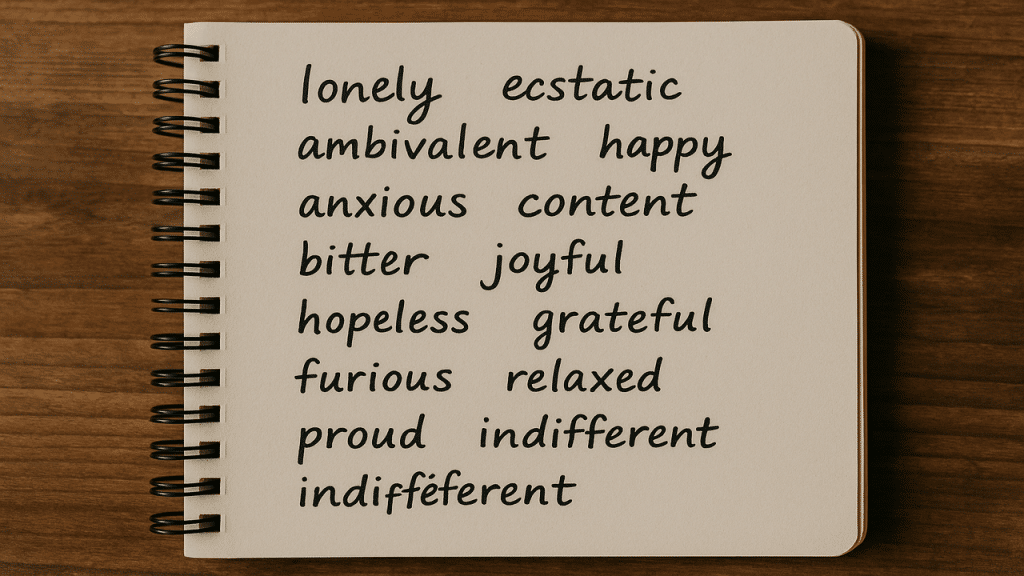
Most adults only use a handful of emotion words like “sad,” “mad,” or “fine.” But research suggests that being able to name your feelings precisely–called emotional granularity–directly improves emotional regulation. Instead of “I’m upset,” try, “I feel overlooked,” “I feel anxious,” or “I feel disappointed.” Naming emotions doesn’t just describe them–it tames them. Gottman experts suggest using phrases like, “I feel ____, and I need ____,” which helps your partner understand you without guessing or getting defensive. The clearer the language, the stronger the connection.
6. Respond to Emotions, Not Just Words

Emotionally intelligent people listen for the feeling behind the sentence. When your partner says, “I’m tired of doing everything myself,” they might actually be saying, “I feel alone in this.” Instead of replying with logic or correction, respond to what they feel. Gottman therapists recommend using validation–even when you disagree: “I can see how that would be frustrating,” or “That makes sense why you’d feel that way.” Validation doesn’t mean agreement–it means acknowledgment. And acknowledgment is often what people are really fighting for.
7. Avoid the Four Relationship Killers

According to the Gottman Institute, there are four communication patterns that can predict divorce with over 90% accuracy: criticism, defensiveness, contempt, and stonewalling. These are called the “Four Horsemen.” Emotional intelligence means recognizing when these patterns are showing up–and replacing them fast. For example, defensiveness can be replaced with accountability (“I see your point–I could have handled that better”), and contempt can be replaced with appreciation (“I’m frustrated, but I still value you”). These are not easy shifts–but they are powerful. Each response sends a signal: “We are on the same team.”
8. Practice Active Listening–Not Silent Waiting

Many people mistake silence for listening. But active listening means showing–not just proving–that you’re engaged. Nodding, paraphrasing, asking clarifying questions, and summarizing what your partner said signals care and understanding. Try this: before responding, say, “What I hear you saying is…” and let your partner confirm or clarify. Gottman research shows that simply feeling understood lowers cortisol and helps both partners think more clearly. Validation makes people feel safe–and safety makes communication honest.
9. Share Needs Clearly–Don’t Expect Mind Reading

So many arguments begin with unspoken expectations. Emotional intelligence means asking clearly rather than hinting, testing, or waiting to see if they “care enough to notice.” The Gottman Institute found that happy couples make specific requests: “Can we spend an hour together tonight?” instead of “You never make time for me.” The clearer the need, the easier it is to meet. Emotional intelligence isn’t about getting what you want–it’s about increasing the chances your partner understands what you actually need.
10. Learn to Apologize Like an Adult

A true apology isn’t just “I’m sorry”–it includes ownership, empathy, and change. Emotionally intelligent partners understand that apologies are investments, not losses. The Gottman Institute recommends using phrases like, “I understand how that hurt you,” or “I see how my actions affected you.” This demonstrates emotional accountability–the foundation of emotional trust. A real apology doesn’t erase what happened–but it tells your partner that the future will be different.
11. Don’t Fear Conflict–Use It Strategically

Emotionally intelligent couples don’t avoid conflict–they navigate it wisely. The goal isn’t to eliminate disagreements but to make them productive. According to Gottman research, couples who debate respectfully actually grow stronger bonds over time. Conflict reveals needs, patterns, and fears–making it one of the best tools for understanding each other. Try this rule: fight the problem, not the person. When both partners see conflict as teamwork rather than combat, healing replaces hostility.
12. Build Small Daily Rituals of Connection

Emotional intelligence is built in small, consistent moments–not just during big conversations. The Gottman Institute recommends “rituals of connection” such as morning check-ins, evening wind-down talks, or a quick touch before leaving the house. These may seem insignificant, but they reinforce the message: I see you. I choose you. We are partners. Even a 10-second moment of eye contact and a smile can lower stress hormones and increase emotional closeness. Love is built in the spaces between busy moments.
13. Know When Conversations Need to Pause

Sometimes, the most intelligent thing to say is, “Let’s take a break.” When heart rates rise and voices get louder, logic shuts down. Gottman experts recommend using a pause–not withdrawal–as a tool. The difference? Withdrawal is escape; pausing is care. Take time to cool your body and mind so you don’t speak from anger or fear. Emotional intelligence doesn’t silence emotions–it gives them space to be heard more clearly.
14. Show Appreciation–Even When Things Feel Routine

Long-term couples often drift into emotional autopilot. But one of the strongest predictors of relationship success is something deceptively simple: regular appreciation. The Gottman Institute teaches something called the “Five-to-One Ratio”–you need five positive interactions for every one negative interaction to keep a relationship stable. Try this practice: name one thing your partner does well every single day. You’ll be surprised how quickly the atmosphere changes.
15. Develop Emotional Boundaries–Not Emotional Walls

Boundaries are not barriers–they are guidelines that protect connection. Emotionally intelligent people can express limits without shutting down intimacy. Instead of saying, “Leave me alone,” try, “I need quiet to think, but let’s talk later when I’m ready.” Boundaries tell your partner how to love you better. Emotional walls, on the other hand, block understanding. The key difference? Boundaries invite connection with clarity–walls push it away with confusion.
16. Learn to Repair After Conflict

Even the healthiest relationships experience conflict. What separates successful couples is their ability to repair afterward. Gottman calls this the repair attempt–a moment of humor, kindness, or warmth used to soften tension. It could be a joke, a hug, or even a simple, “Okay, this got intense–can we reset?” Repair attempts are emotional olive branches–and couples who use them regularly stay connected even during disagreements. The goal is not to erase conflict, but to reopen communication.
17. Keep Choosing Curiosity Over Assumption

Emotional intelligence thrives on curiosity. Instead of thinking, “I know why they’re acting this way,” a better mindset is, “What might they be feeling right now?” Assumptions kill connection–curiosity revives it. Gottman researchers found that emotionally intelligent partners ask open-ended questions: “What’s worrying you lately?” or “What can I do to support you better?” These questions open doors instead of building fences. Because the truth is–most people don’t need solutions. They need someone who cares enough to ask.








Ask Me Anything